

Driving on Sand? Here's How to Stay on It, Not in It.
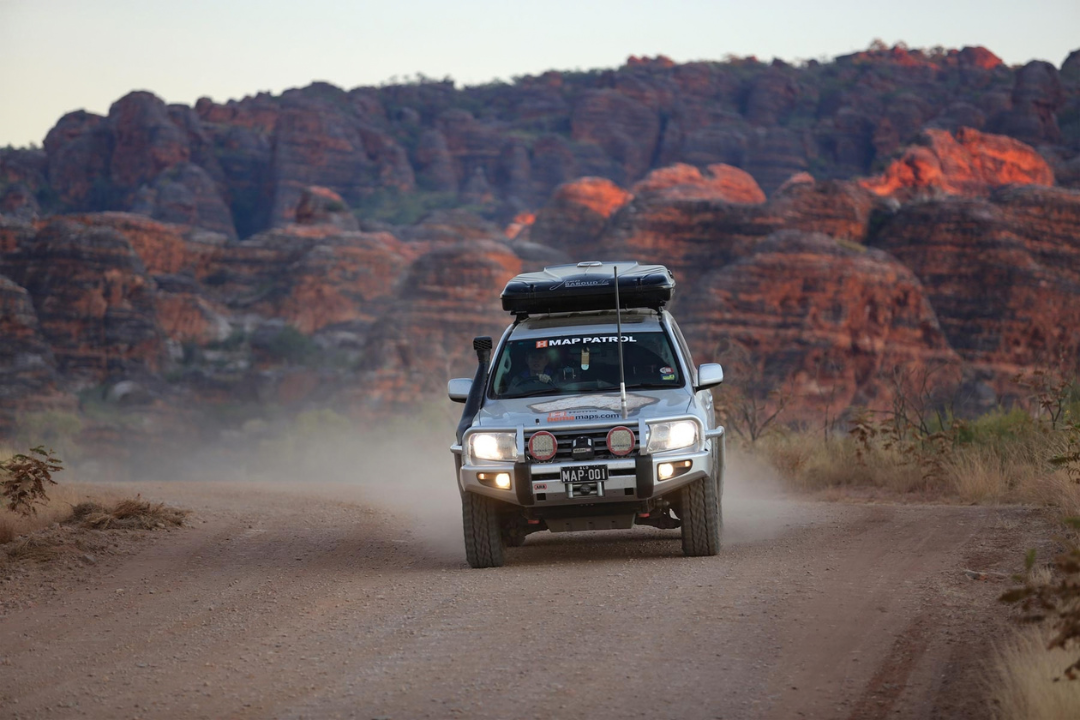
For many four-wheel drivers, few experiences compare with cruising along a remote beach, crossing a sandy track or tackling the dunes of Australia’s outback. Sand driving can take you to some of the country's most spectacular and isolated destinations, but it also requires a different approach to driving on rocks, mud or gravel.
The key to successful sand driving is understanding how your vehicle behaves on a soft surface and knowing how to prevent yourself from becoming bogged in the first place. With the right preparation, tyre pressures, recovery equipment and driving technique, sandy terrain can be both enjoyable and manageable.
One simple principle sums up much of what you need to know: less is more. Less tyre pressure, less aggressive acceleration and less braking can make a significant difference when travelling across sand.

Before You Hit the Sand
Good preparation is one of the best ways to avoid trouble once you leave the bitumen.
The most important adjustment is your tyre pressure. Lowering your pressures spreads the vehicle's weight over a larger section of the tyre, helping it stay on top of the sand rather than cutting into it. Around 20psi is a useful starting point for many vehicles, although the ideal pressure will depend on your vehicle, tyres, load and the conditions you're driving in.
Don't simply lower your pressures and forget about them. Sand conditions can change quickly, and you may need to adjust them again as you move between different surfaces.
A reliable compressor and tyre deflator should therefore be part of any sand-driving kit. It's also worth carrying a shovel and a set of recovery boards or other suitable traction aids. If you are new to sand driving, getting bogged is a possibility, even when you've done everything correctly. Having the right recovery equipment can turn a frustrating situation into a relatively straightforward recovery.

Planning your next 4WD adventure?
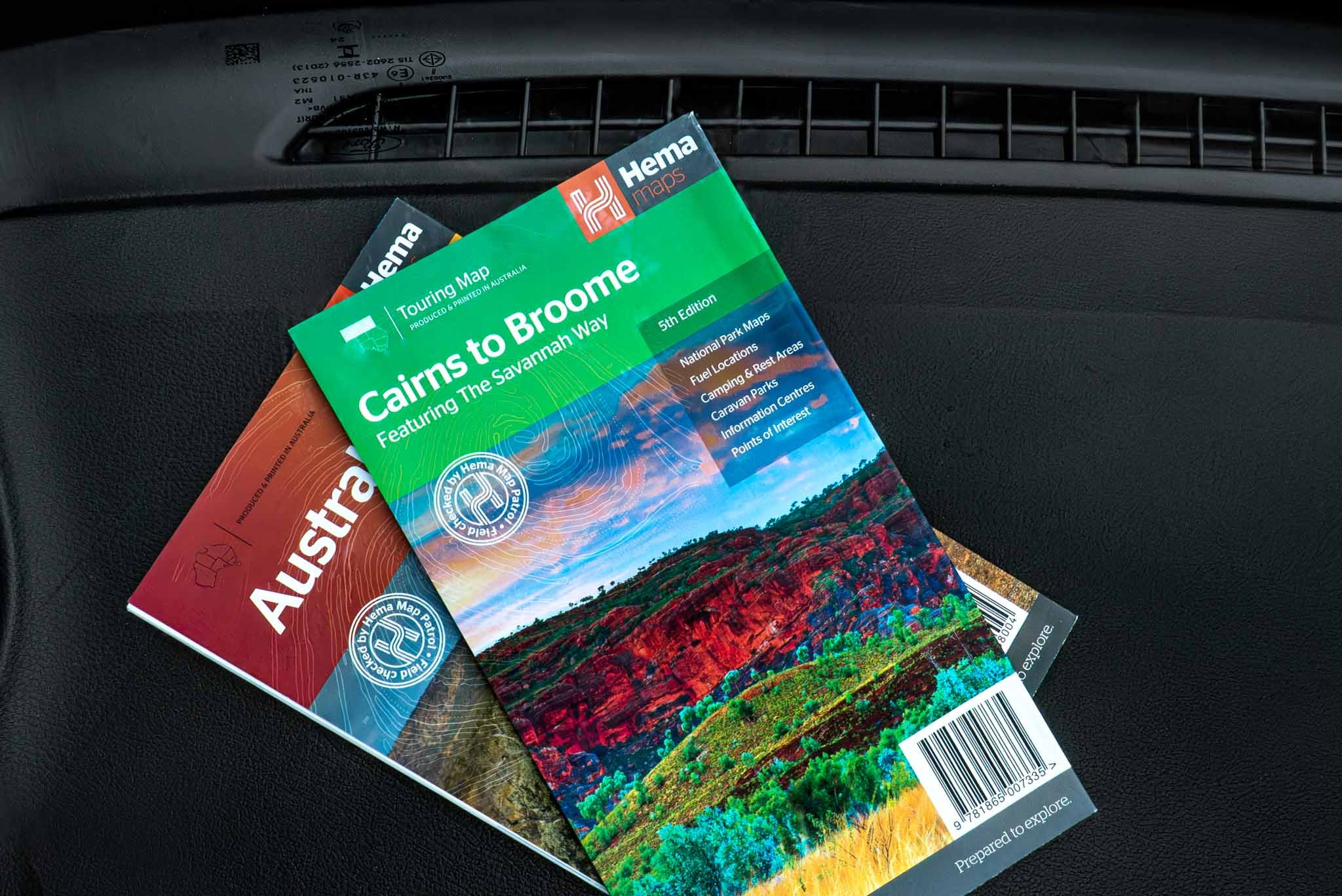
Whether you're exploring Australia's beaches, following remote desert tracks or planning a longer outback journey, having the right map and guide can make all the difference. Explore Hema Maps' range of travel guides before you hit the road.
Keep Moving Across Soft Sand
Unlike some other forms of off-road driving, sand isn't necessarily a situation where more engine torque is the answer.
Momentum is your friend.
The objective is to keep the vehicle moving smoothly across the surface rather than allowing the tyres to dig themselves into the sand. Constant forward movement helps the vehicle stay afloat on the surface, reducing the likelihood of sinking.
For this reason, avoid unnecessary stops. Getting moving again from soft sand can require significantly more effort than maintaining momentum in the first place.
You will generally find that low range isn't required for most sand driving. If your vehicle has a dedicated sand-driving mode, this can be a useful setting to select. Depending on your vehicle and its systems, traction and stability control settings may also need to be adjusted. Always follow your vehicle manufacturer's recommendations.
Some wheel slip can be useful, but excessive wheel spin is something to avoid. Once the tyres start rapidly digging into the sand, you can quickly find yourself stuck. Aggressive mud-terrain tread patterns can also dig into soft sand more readily than tyres designed for mixed or sand conditions.
Smooth inputs are the key. Use gentle acceleration, avoid sudden steering movements and allow the vehicle to maintain a steady rhythm.

Watch Your Fuel and Engine Temperature
Sand driving puts considerably more demand on a vehicle than normal road driving.
Lower tyre pressures, increased rolling resistance and the need to maintain momentum can all increase fuel consumption. For this reason, don't plan a long journey across unfamiliar sandy terrain based on your vehicle's normal fuel economy.
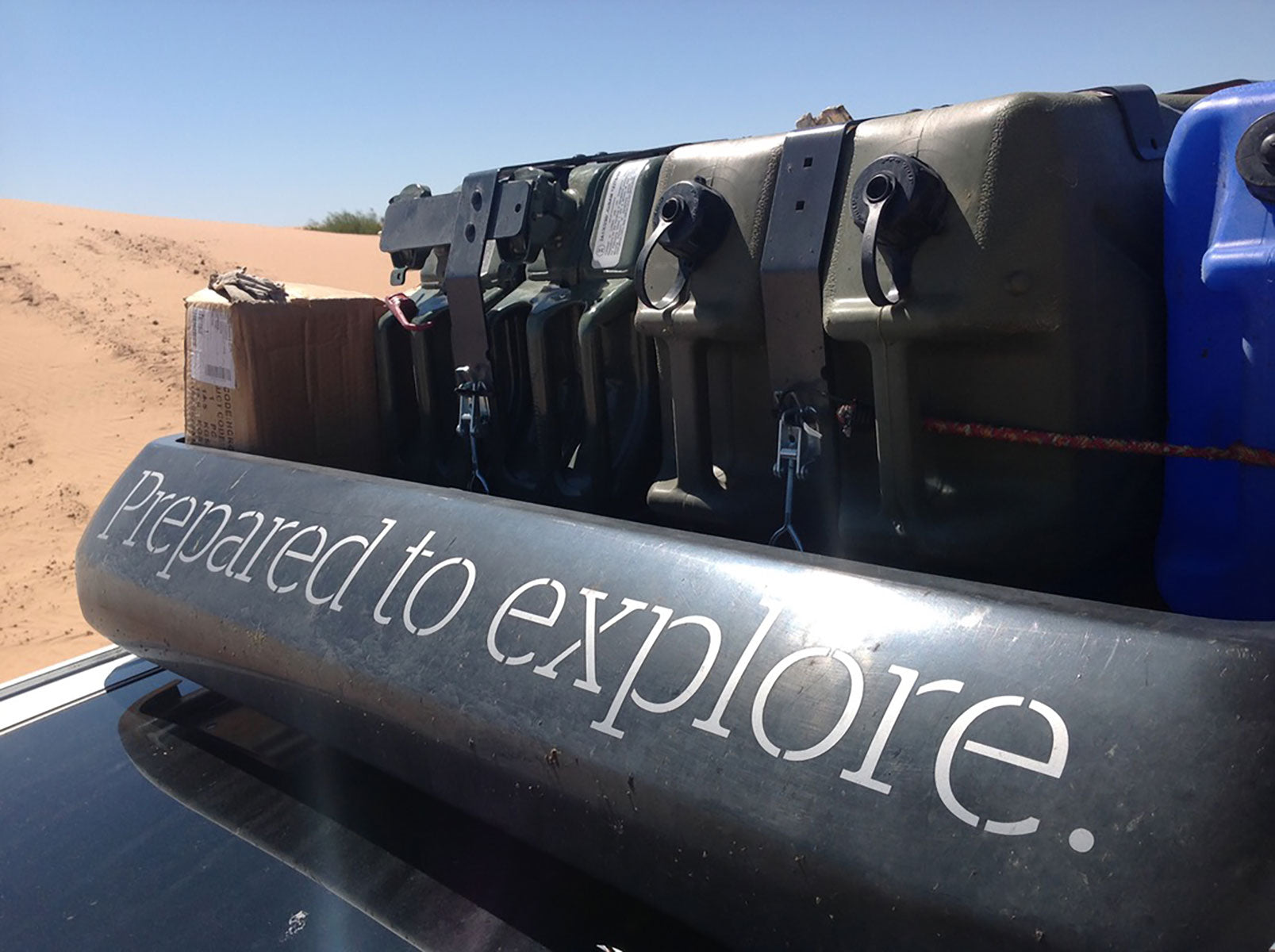
Start with a full tank and, where possible, carry an appropriate reserve. Running low on fuel in a remote sandy environment is a situation best avoided.
Your engine and automatic transmission can also work harder than usual in these conditions. This means engine temperatures may rise during prolonged sand driving.
Keep an eye on your temperature gauge and give the vehicle a rest if temperatures begin approaching the danger zone. Before setting off, check that your vehicle's fluids are topped up and that it is ready for the additional workload.
Beach Driving Requires Extra Planning
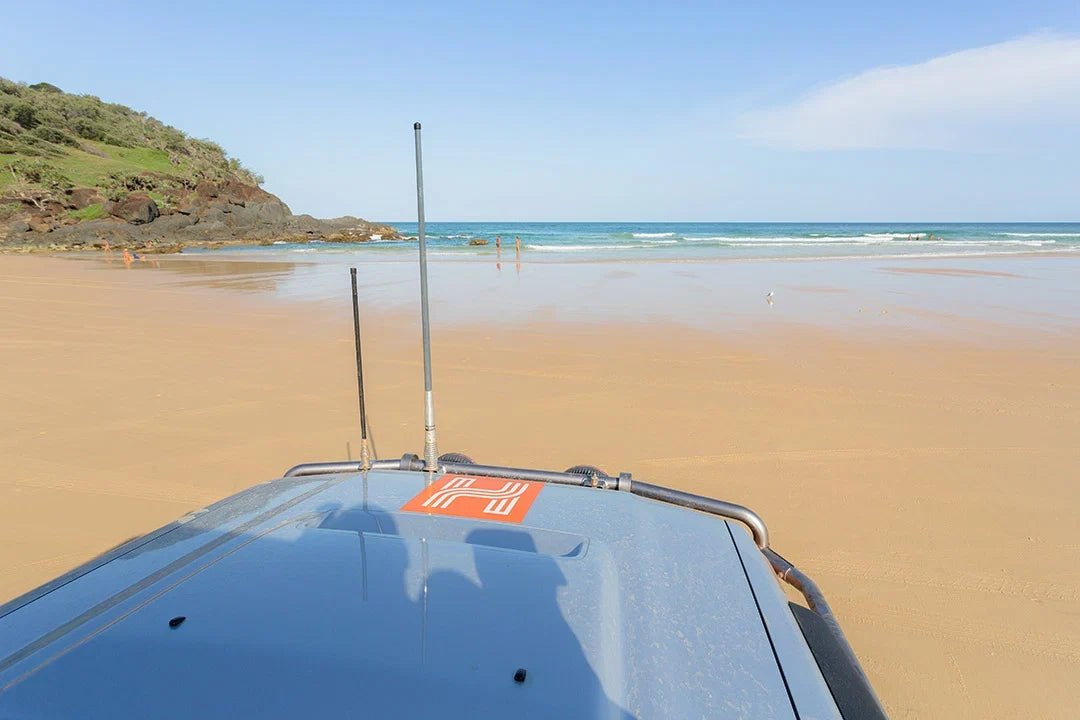
Hard, compacted beach sand can make for an incredibly enjoyable drive. With the ocean on one side and the coastline stretching ahead, it can be one of the great Australian 4WD experiences.
But don't let the smooth surface make you complacent.
Keep an eye out for rocks, creek crossings and areas where water has previously flowed. These locations can contain much softer sand than the surrounding beach. If you spot signs of water movement, reduce your speed and approach cautiously.
The biggest consideration when driving on a beach is often the tide.
A rising tide can quickly remove your escape route, particularly if your vehicle becomes bogged close to the water. Although sand near the waterline can sometimes be firmer and easier to drive on, getting stuck there as the tide comes in can become extremely dangerous.
Before driving on a beach, check the local tide times and conditions and understand how quickly the tide moves in the area. Never assume that because another vehicle has successfully driven a particular section, it will be safe for you to do the same.
If you are permitted to drive on the beach, obey all posted speed limits and other local regulations.
And once you've finished your beach adventure, give the vehicle a thorough wash. Sand can be abrasive, while salt water can cause significant corrosion. Pay particular attention to the underside of the vehicle and other areas where salt and sand can accumulate.
Tackling Sand Dunes
Driving through dunes adds another layer of difficulty.
When approaching a dune, you need enough momentum to reach the top without carrying excessive speed over the crest. The appropriate speed will depend on the softness and depth of the sand, your vehicle's weight, the gradient and the size of the dune.
Approach dunes in a straight line and maintain a controlled speed. Avoid travelling across a dune face at an angle, as this can increase the risk of the vehicle sliding sideways.
Try to avoid changing gears while climbing and don't unnecessarily increase engine revs. A smooth, controlled approach is generally more effective than trying to attack the dune with excessive speed.
Visibility is another major concern in desert environments. Vehicles approaching one another from opposite sides of a dune may have very little warning before reaching the crest.
For this reason, vehicles travelling in sandy desert environments should be fitted with an appropriate sand flag that extends above the vehicle's roofline. This increases visibility and gives approaching drivers more warning. On larger or particularly challenging dunes, radio communication can also be useful.
Know where you're going before you get there.
Remote 4WD adventures are much more enjoyable when you've planned your route and understand the terrain ahead. Use Hema Maps' detailed maps to help plan your next beach, desert or outback adventure.
Protect the Environment
Australia's sandy environments can be surprisingly fragile.
Vegetation growing on dunes and sandy terrain can look insignificant, but these plants play an important role in helping stabilise the sand and prevent erosion. Driving over them can cause lasting damage.
Wherever you're travelling, stay on designated tracks and avoid driving across vegetation or undisturbed sandy areas.
Responsible four-wheel driving helps protect the places we enjoy so they remain accessible for future travellers.
Driving With Other Vehicles
Sand driving with a group can make recovery easier, but it also requires good communication and plenty of space between vehicles.
Don't follow too closely. If the lead vehicle suddenly encounters a particularly soft section and becomes bogged, the vehicles behind need enough room to stop and approach the recovery safely.
Where practical, existing tyre tracks can provide a firmer surface because the sand has already been compacted by previous vehicles. However, conditions vary, so don't blindly follow tracks if they appear unsafe.
Normal road rules still apply wherever beach or dune driving is legally permitted. This includes appropriate signalling, overtaking on the right and maintaining awareness of other road users.
Essential Sand-Driving Tips to Remember
The goal of sand driving is simple: keep the vehicle floating over the surface rather than allowing the tyres to dig in.
Before setting off, remember these key points:
Lower your tyre pressures to suit the conditions and your vehicle.
Carry a compressor and tyre deflator so you can adjust pressures as conditions change.
Take a shovel and suitable recovery boards or traction aids.
Maintain steady momentum rather than relying on excessive engine power.
Use gentle acceleration and avoid aggressive steering.
Avoid unnecessary braking, as soft sand will naturally slow the vehicle.
Use existing tyre tracks where appropriate, as compacted sand can be easier to drive on.
Keep an eye on fuel consumption and start long trips with a full tank and suitable reserves.
Monitor engine temperature during prolonged sand driving.
Check tide times and local conditions before driving on beaches.
Be particularly cautious around creek runouts and soft patches.
Approach dunes straight and avoid excessive speed over the crest.
Use a sand flag in desert and dune environments where required.
Keep your distance from other vehicles when travelling in convoy.
Stay on designated tracks and avoid damaging vegetation.
Wash your vehicle thoroughly after beach driving, paying particular attention to the underbody.
And don't forget your sunnies!
Navigate with Confidence: The Hema HR-1 Nav
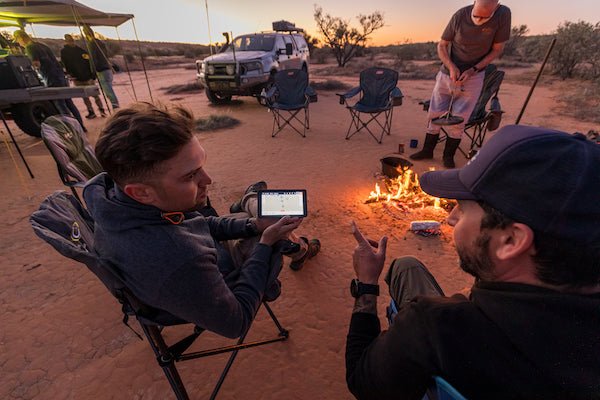
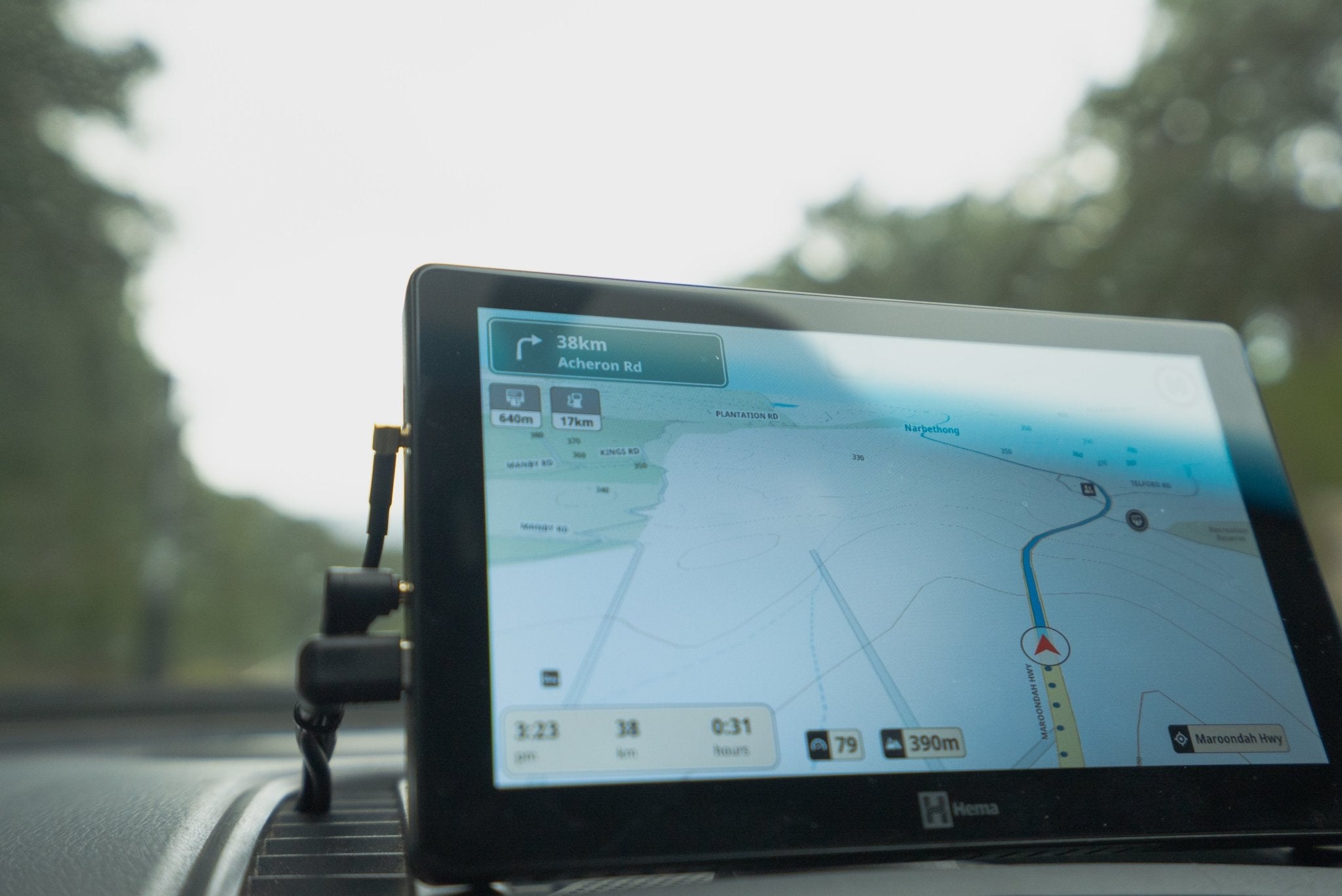
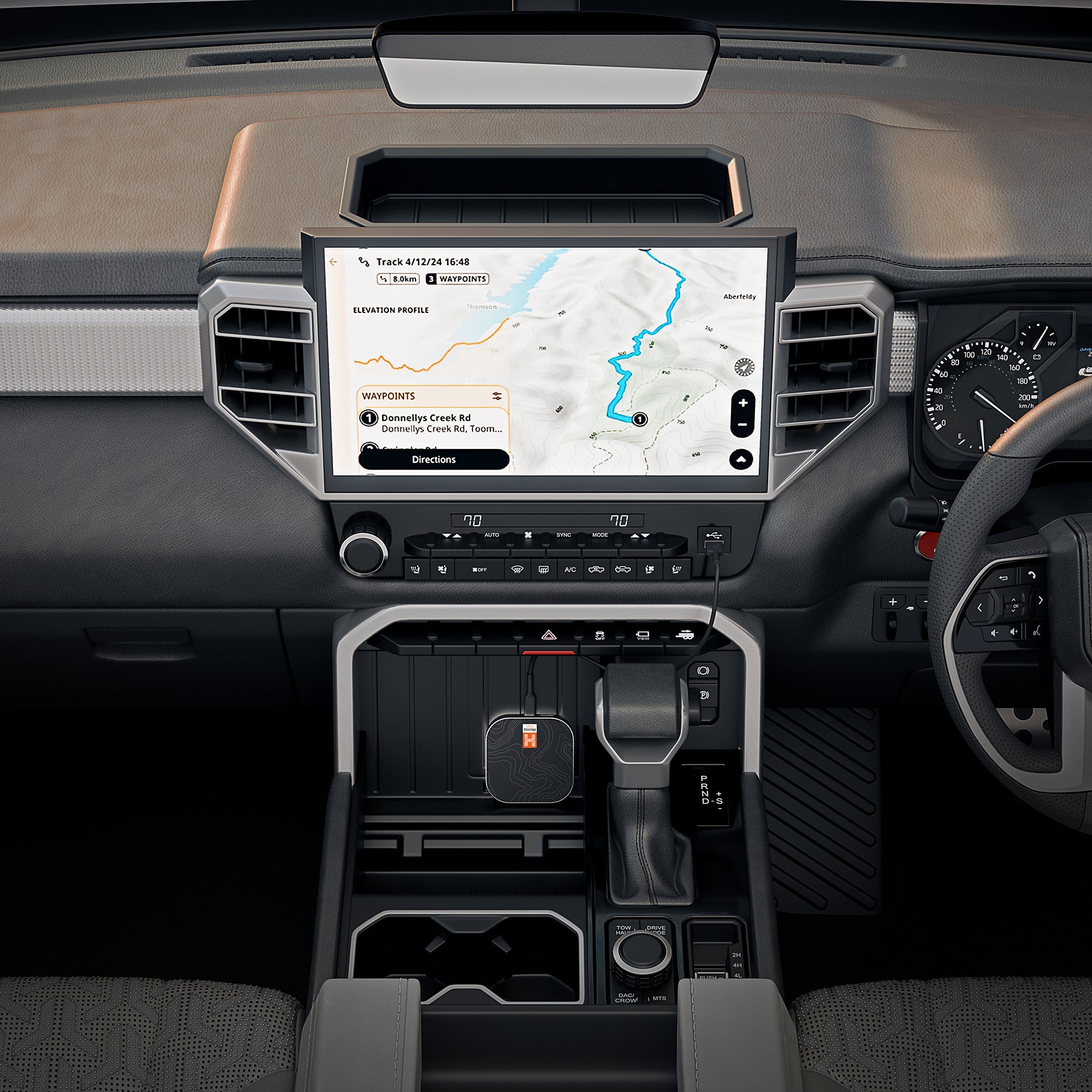
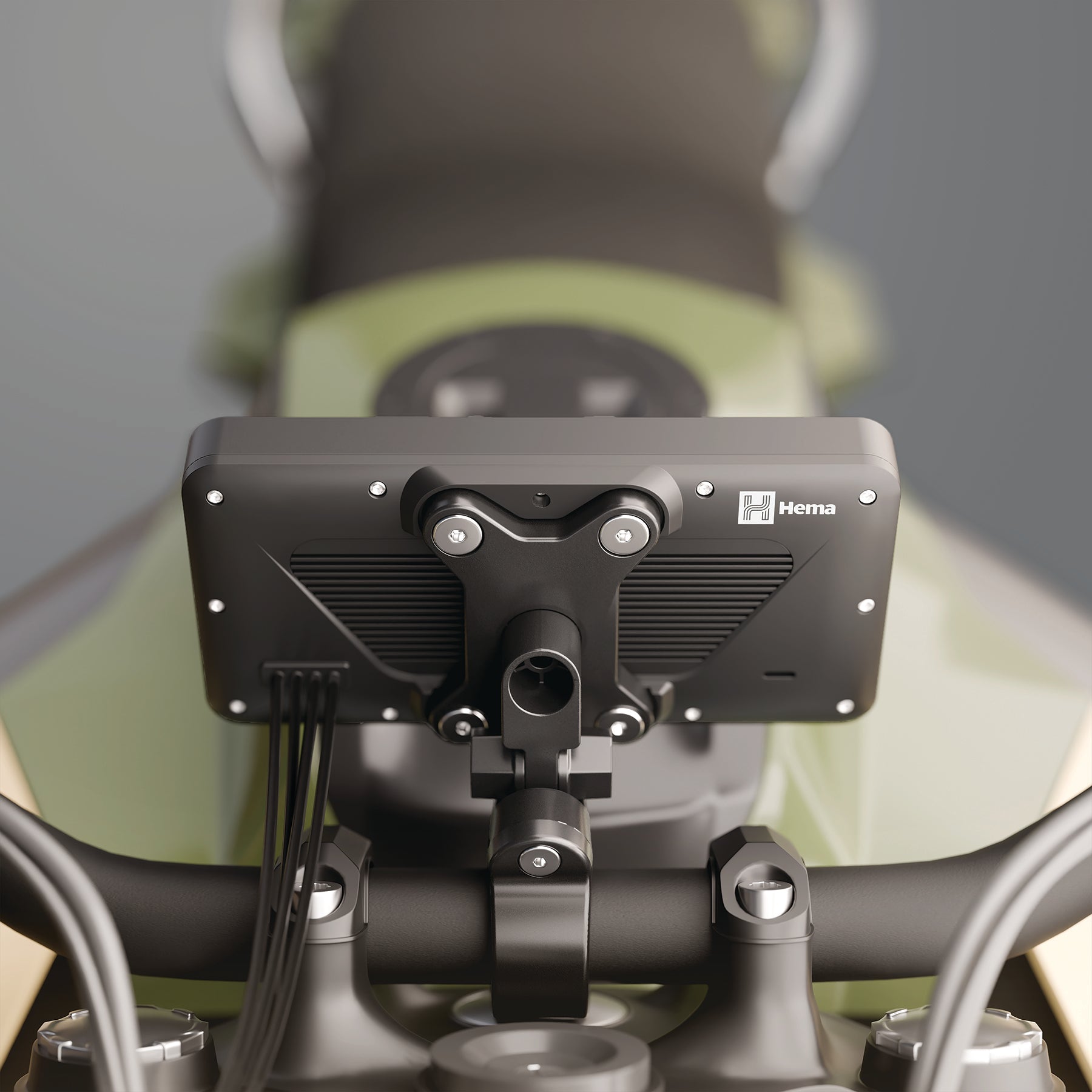
Stay on track with the Hema HR-1 Nav. Built for adventure, the HR-1 Nav helps you navigate confidently on and off the beaten track, making it a valuable companion when exploring remote beaches, sandy tracks and challenging 4WD terrain. Plan your route, stay oriented and focus on the adventure ahead.
Make Sand Driving Part of the Adventure
Sand driving might seem intimidating when you're first starting out, but understanding the fundamentals makes a huge difference.
Lower your tyre pressures, carry the right recovery equipment, maintain steady momentum and take the time to understand the conditions before committing to a section of track. Whether you're travelling along a beach, crossing a sandy outback track or climbing desert dunes, preparation and patience are far more valuable than simply putting your foot down.
Most importantly, take the time to understand the environment you're travelling through. Check local conditions, respect restrictions, protect fragile vegetation and make sure you've planned enough fuel and recovery options for the journey.
Get those basics right and sand can open the door to some of Australia's most memorable 4WD adventures.