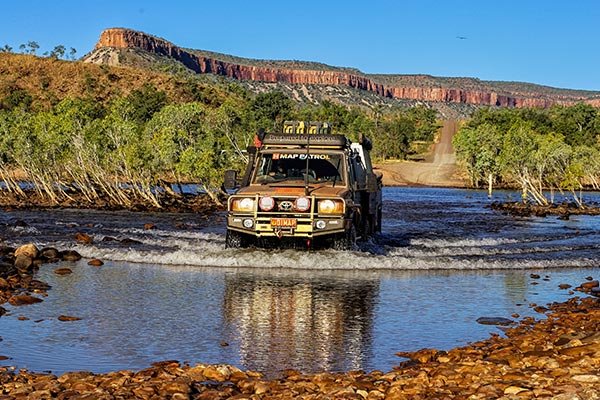


Words Robert Crack Pics Supplied
Still keen on heading north this dry season? Pick the itinerary that best fits your time, travel style, rig and budget.

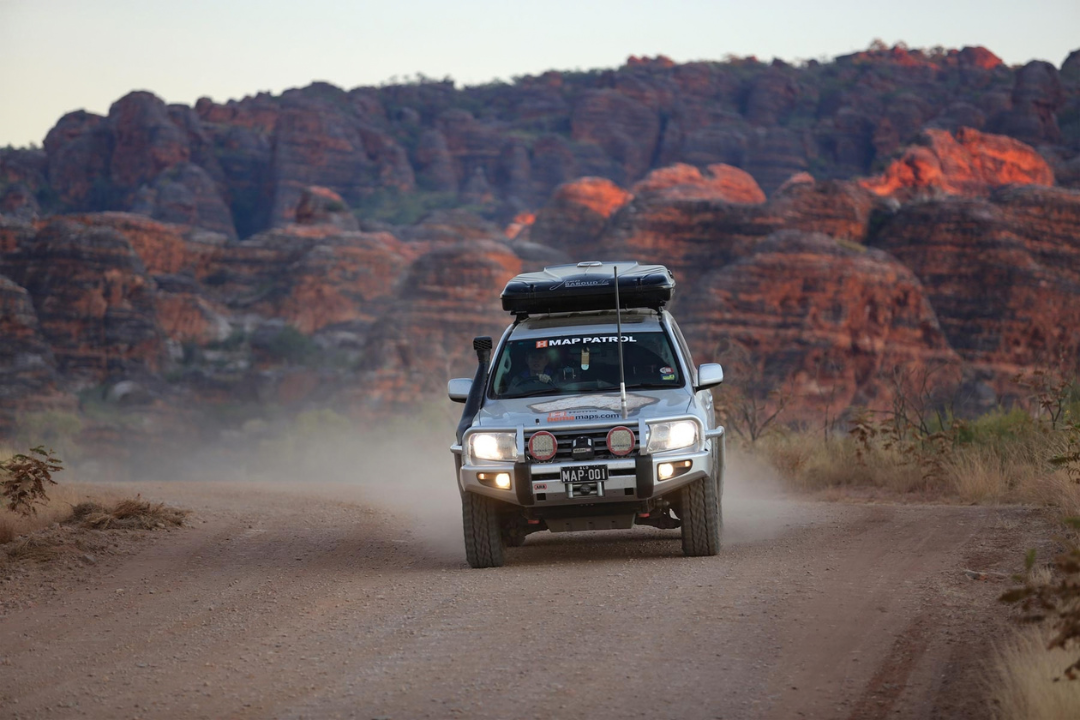
Open road in the Kimberley, WA (Credit: Getty Images)
If you live below the 26th parallel south latitude in Australia, it’s considered that you live in southern Australia.
Not that there’s anything wrong with that!
With around 90 per cent of Australia’s population residing in southern Australia, surely 24.5 million of us can’t be wrong, right?
But there you have it. If you live south of Shark Bay, WA, south of the SA/NT border or south of Noosa North Shore, Qld, you ‘officially and historically’ live in southern Australia. Yes, that includes you too, Brisbanites!
If you reside north of the 26th parallel, you live in northern Australia.
And if you’re a ‘below-26-degrees southerner’ and take exception to reading that you reside in southern Australia, please don’t shoot the messenger. Here at Hema Maps, we’re all about geographic, topographic, cartographic and historical accuracy.
It’s the latter which brings us to the British Colonial Office fixing the 26th parallel as the northern boundary of the Colony of South Australia, in 1834.
It’s stuck ever since.
Even insurers will use your house location in relation to the 26th parallel as a general guideline when embarking on rating insurance premiums. Southern Australia? Pay less. Northern Australia? Pay more.
So there you have it. Or, as the French may say, “un point, c’est tout!” (“Full stop! That’s all there is to it!”). Along the 26th parallel, southern Australia ends and northern Australia begins!

Cape York (Credit: John Ford)
‘The north’
Southerner? You live in the bottom half of the continent.
You can feel it coming; the changes in the weather that herald the impending arrival of ‘the dry’ on northern Australia. You have been feeling the metamorphosis creeping in as summer has faded into autumn.
Cooler mornings. The heat easing. Longer shadows. The maps coming out. That itch to point the bonnet north.
You know that it’s an itch that won’t go away until you scratch it.
But here’s the truth — ‘the north’ isn’t one trip. It’s several very different adventures.
And choosing the right one? That’s what makes or breaks your dry season.
Australia’s northern half (that ‘bit’ above the 26th parallel, remember?) is vast, varied and, at times, unforgiving. Western Australia, the Northern Territory and Tropical North Queensland often get lumped together, but out on the tracks they couldn’t feel more different.
And before you even pick a direction, there’s one thing that matters just as much as where you go: how well you prepare.
Because let’s be honest. Remote touring up north isn’t exactly a Sunday drive.
The dry versus the wet — timing is everything
Northern Australia doesn’t run on four seasons. It runs on two.
Or … does it?
If we defer to the Traditional Owners (as we should and as we do here at Hema Maps), it is three seasons (Mirriwoong calendar), four seasons (Wardaman calendar) or five seasons (Jawoyn calendar and Yanyuwa calendar). Or even six seasons, which is the base with both the Yawuru calendar and the Bininj/Mungguy calendar.^
Here are the approximate two-season equations:
The dry (April–October, give or take) = blue skies, open roads and prime touring conditions.
The wet (November–March, give or take) = monsoonal rains, road closures and limited access.
That’s why this ‘dry window’ matters. And why planning early isn’t optional — it’s essential.
And never more so than when there has been a lot of rain and floodwaters, impacting either your intended destinations or places en route to them.
It’s not only graziers and station owners feeling the pinch when floodwaters roll through. Across Queensland, the Northern Territory and into parts of New South Wales, Western Australia and South Australia, widespread flooding can shut down highways, isolate towns and wash out key 4WD routes for weeks — sometimes months.
No access means no travellers.
No travellers means no income.
From outback Queensland towns cut off by swollen rivers to Top End communities dealing with wet-season road closures, local cafes, roadhouses, pubs and tour operators all take a hit when the tracks go quiet.
But here’s the flip side.
As the waters recede and the roads reopen — often after a massive clean-up effort — these places will be ready and waiting. And they will need travellers back through the door.
So when conditions allow, make the detour. Plan the trip. Pass through. Even a simple stop — a counter meal, a cold drink, a fuel top-up — goes a long way in towns rebuilding after flood disruption.
Because in the outback, support doesn’t have to be big to matter. Sometimes it’s just showing up.
Be sure to check the relevant road reports before deciding where — and when — to go:
- Queensland: QLD Traffic (Department of Transport and Main Roads)
- Northern Territory: Road Report NT
- Western Australia: Travel Map (Main Roads Western Australia)
- South Australia: Outback Roads (Department for Infrastructure and Transport)
- New South Wales: Live Traffic NSW (Transport for NSW)

(Credit: Matt Williams)
One north, many different journeys
Western Australia, the Northern Territory and Tropical North Queensland (TNQ) might sit on the same map — but they deliver completely different trips.
- WA is vast, remote and demanding
- The NT is iconic and more time-efficient
- TNQ is flexible, varied and accessible
Match the region to your time, your rig and your experience. Once you’ve done that, everything else clicks. Try to do too much? You’ll feel it.
You’ll feel it in the long days, the rushed stops and the missed moments.
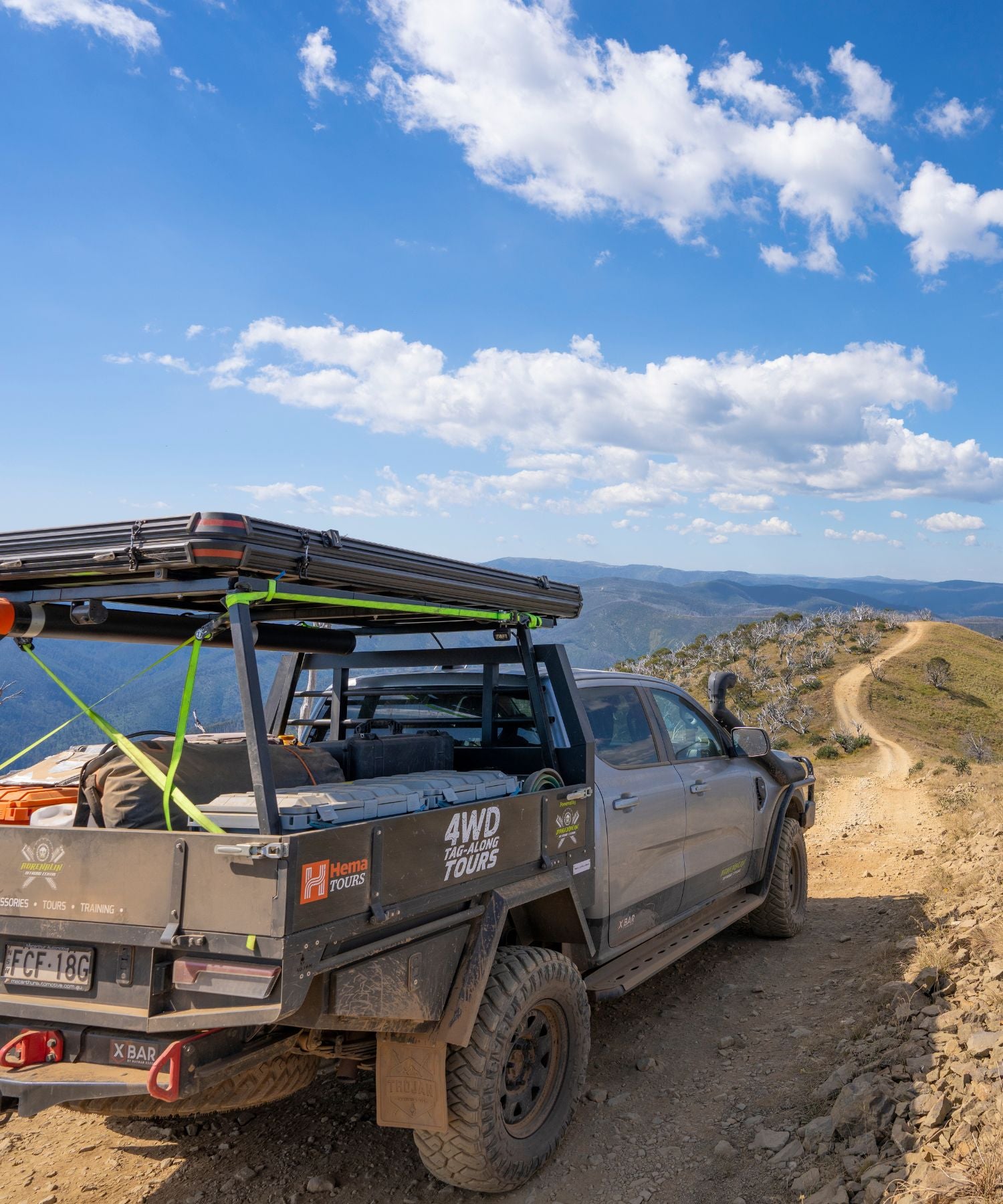
First things first — is your rig ready?
Before you lock in a route, take a hard look at your setup.
Because in much of Northern Australia, there’s no quick fix around the corner.
- Know your vehicle and towing weights (if applicable)
- Check your tyres — and carry at least one or two spares (we recommend the latter)
- Inspect suspension, bearings, seals and lights
- Book in a full service well before departure
Planning upgrades? Do it now. Not the week before you leave.
And if you’re heading onto dirt — which you will be — make sure your vehicle has either been built for it or legally modified accordingly for it. That means high clearance, all-terrain tyres and no shortcuts.

(Credit: Matt Williams)
Gear up for the long haul
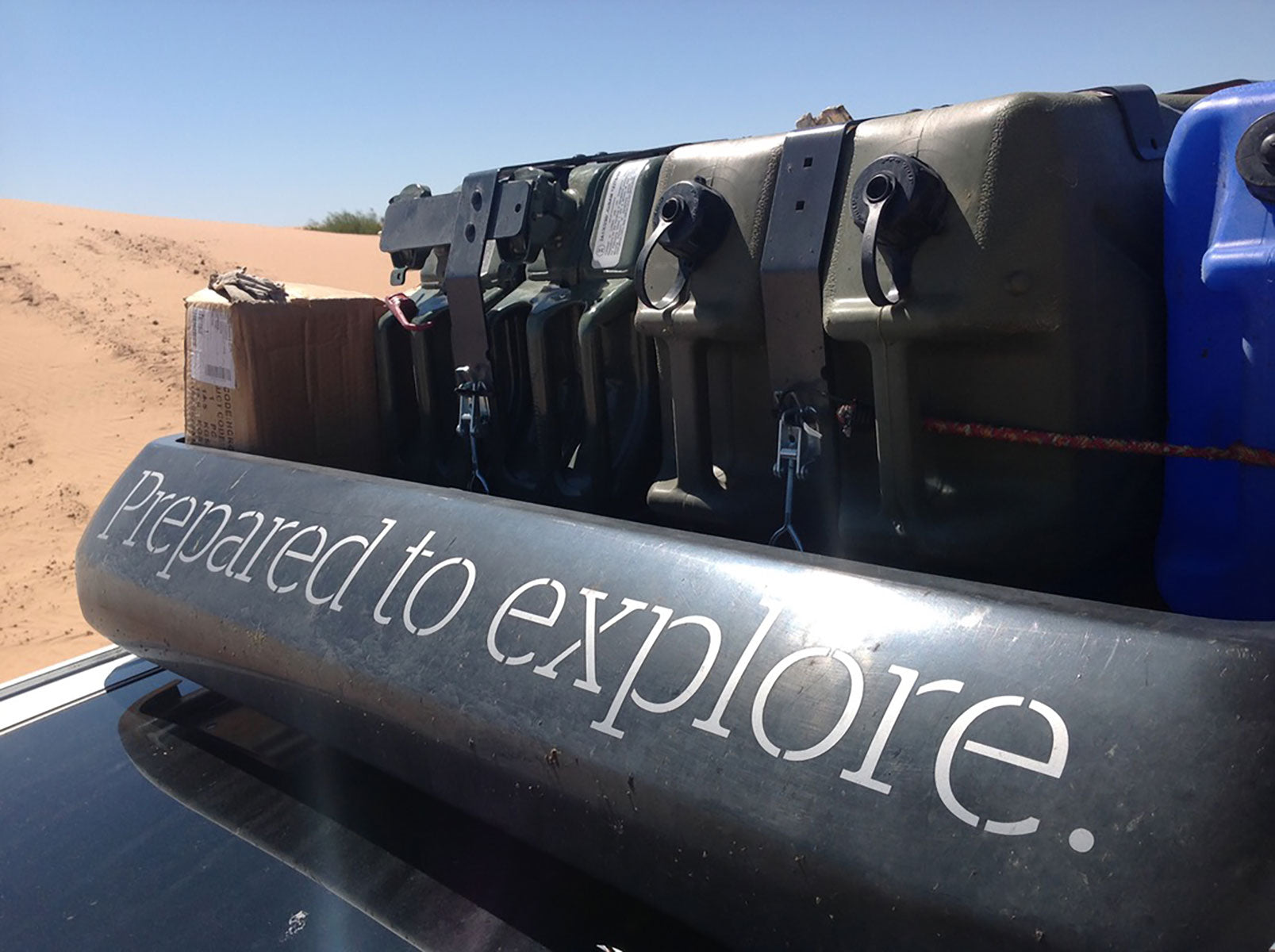
Remote touring means self-sufficiency. It really is as simple as that.
You’ll want:
- Extra fuel, water and food
- Recovery gear and basic spare parts
- Tyre deflators, compressor and pressure monitoring
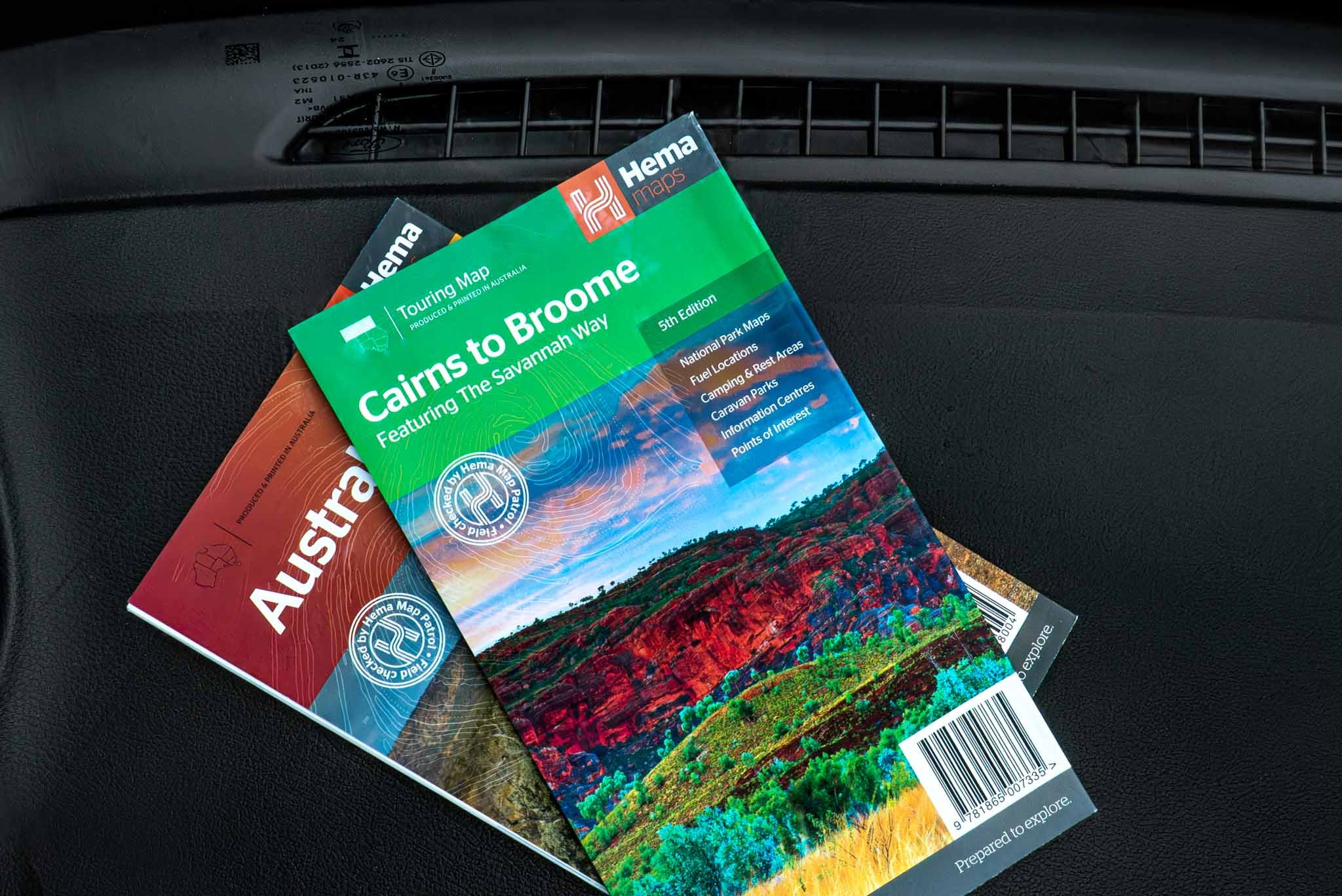
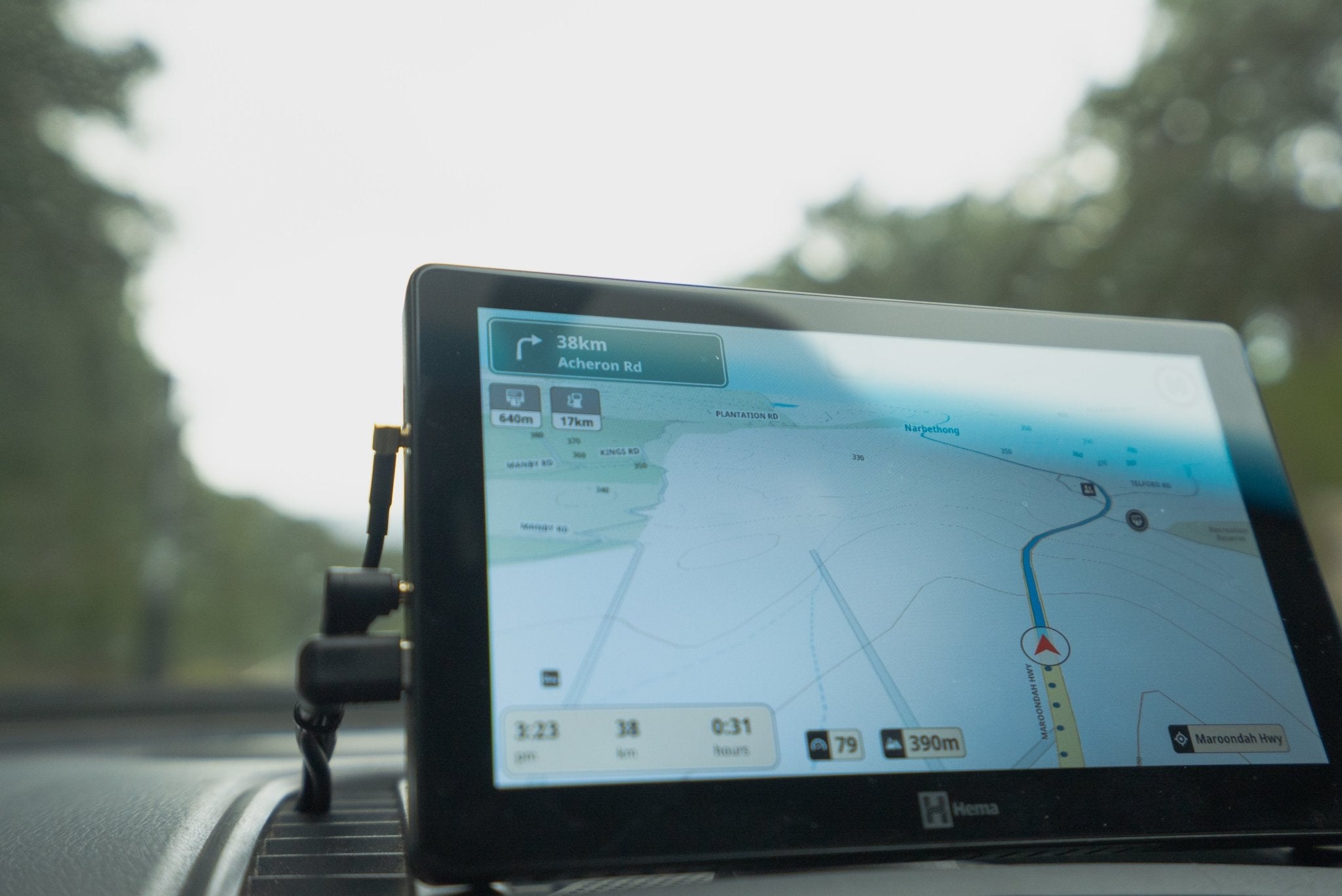
- Navigation and comms — UHF and satellite options
Then check it all. Twice.
Because finding out that your gear’s faulty halfway along the Gibb River Road or on the way to the Tip? Not ideal.
Permits, bookings and timing
Here’s where plenty of trips come unstuck.
Travel in Northern Australia often requires:
- Land access permits (e.g. Arnhem Land, Cape York)
- National park passes and camping bookings
- Special permits for certain roads and communities
There is no ‘single source of truth’ for permits to transit or visit Aboriginal land. We recommend that you visit the relevant state or territory government websites and search for ‘Aboriginal land permits’.
These permits take time. Sometimes weeks.
Add in peak season — school holidays, dry season crowds, international travellers — and campsites, tours and even fuel stops (especially now with the latter, amidst the conflict in the Middle East) can book out or queue up early.
Bottom line? Start now. Not later.

Permits sign
Western Australia — Big distances, big commitment
Western Australia doesn’t do small. WA is the whole box and dice.
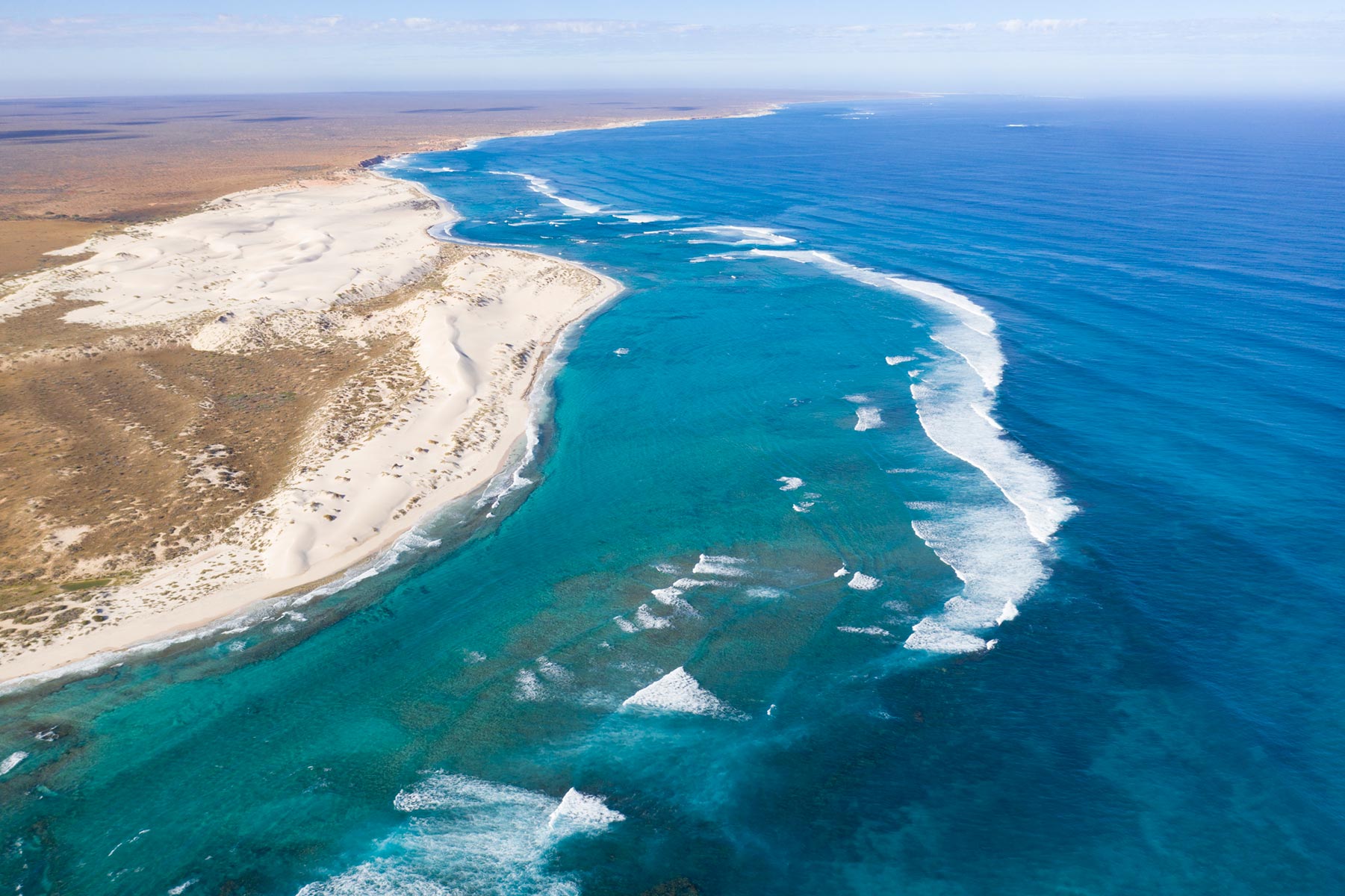
The Kimberley, Pilbara and Gascoyne are defined by scale — distances stretch out and towns thin out. Even the main highways feel remote, and once you hit the dirt, things slow down quickly.
Highlights:
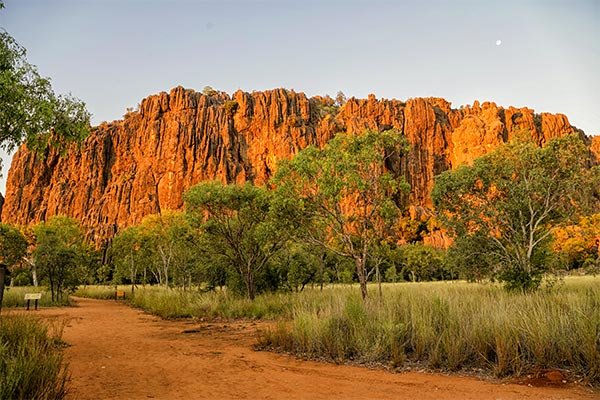
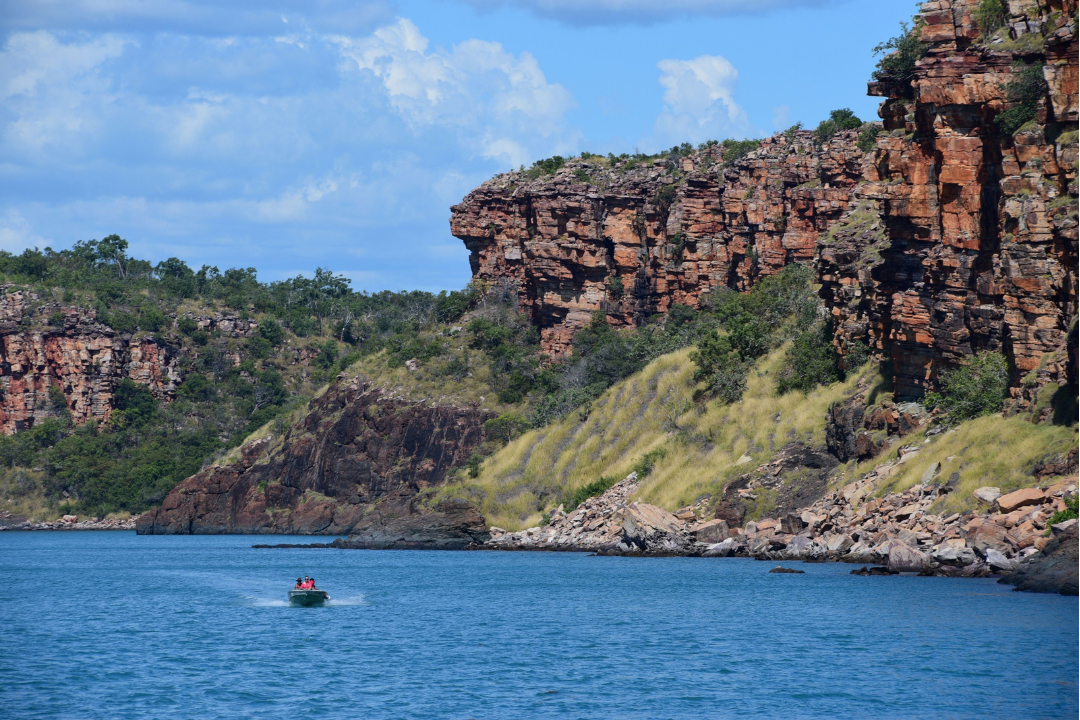
- Kimberley — Gibb River Road, El Questro and Mitchell Plateau
- Pilbara — Ancient landscapes and deep red gorges. Karijini National Park and Millstream Chichester National Park are standouts, with swimming holes that’ll stop you in your tracks.
- Upper Gascoyne, Murchison and Carnarvon — A bit more accessible. Coral Coast beaches, Ningaloo Reef and inland adventures to Mount Augustus — twice the size of Uluru and just as impressive.
Reality check: Unless you’re doing a Big Lap and taking a year or two to do it, you won’t see it all. Pick a region. Slow down. Stay longer.

Gibb River Road (Credit: John Ford)
Northern Territory — Maximum impact, less distance
Shorter on time? The NT delivers.
Two distinct experiences — the tropical Top End and the Red Centre — both at their best in the dry.
Highlights:
- Top End — Kakadu National Park, Litchfield National Park and Nitmiluk National Park for waterfalls, waterhole swims, warm days and cooler nights).
- Katherine — Thermal springs, gorges and a chance to slow things down for a day or two for a relaxed reset.
- Central Australia — Uluru - Kata Tjuta National Park, Watarrka National Park, Tjoritja / West MacDonnell National Park and Palm Valley (Finke Gorge National Park)
Timing matters here. Too early and roads are closed. Too late and the heat ramps up.

Nitmiluk Gorge (Credit: Robert Crack)
Tropical North Queensland — flexible and full of variety
TNQ is often the gateway trip.
Logistics are very manageable, distances are shorter (compared to WA, at any rate!) and there is plenty to see and do.
Highlights:
- Cairns and surrounds — Gateway to the Great Barrier Reef, Atherton Tablelands and the Daintree. Think waterfalls, rainforest drives and coastal cruising.
- Cape York Peninsula — remote, corrugated and unforgettable.
- Outback Queensland — Artesian bore baths, stargazing, dinosaur trails and outback festivals and events aplenty.
- Gulf Savannah and outback — Gorges and geological wonders, this is where the outback meets the sea.
You can plan tightly — or leave room to wander.

Lawn Hill Gorge, Boodjamulla National Park (Aboriginal Land) (Credit: Robert Crack)
The things some people forget
A few quick ones that matter more than you think:
- Insurance: Check your coverage — remote recovery isn’t cheap
- Biosecurity zones: Know what you can and can’t carry
- Towing laws: They vary — don’t assume
- First aid: Have a kit. Know how to use it
- Food planning: Remote stores are limited and expensive
And always leave your trip plan with someone at home.
Travel more, spend less — Smart ways to road trip on a budget
The cost of living isn’t easing up, and it’s hitting everything from fuel bowsers to campground fees. But that doesn’t mean your next 4WD trip is off the table. It just means you need to travel smarter.
Because in Northern Australia, a tight budget doesn’t have to mean a tight experience.
Winging it sounds romantic … until it empties your wallet or purse.
Last-minute bookings, takeaway meals and unnecessary detours all add up fast. A bit of planning goes a long way.
- Map out your core costs: fuel, camps, food
- Factor in extras such as permits, ferries and National Park fees
- Keep a buffer of around 20 per cent for the unexpected
And don’t forget to budget for the fun stuff. A pub meal. A tour. A treat.
There’s no point pinching every cent if you miss the good bits.
Pack light, travel cheaper
Every kilo you carry costs you in fuel. Simple as that.
So be ruthless when it comes to what gear you pack.
Do you really need eight mugs? Probably not.
Keep it practical and keep it lean. If you’re constantly pushing weight limits, it might be time to rethink your setup — or consider a GVM (gross vehicle mass) upgrade.

Keep your setup simple and lightweight
Mix up where you stay
Accommodation can chew through your budget if you allow it to.
The trick? Don’t go all-in on one style.
- Alternate between free camps and paid sites. Not every free camp will be a postcard — but the good ones? They’ll be the ones you remember.
- Look at national parks, showgrounds and pub stays. Some pubs offer free camping, so the right thing to do is buy a counter meal or two during your free stay.
- Save the big holiday parks for when you actually need the facilities.
Want something different without the price tag? Station stays tick several boxes. Budget-friendly, plenty of space and often a few extras thrown in — think fresh produce, animals for the kids or maybe even the odd hands-on experience of station life. It’s a win-win: you save money and support local communities.
Ask around — it pays off
Locals know where the value is.
Cheap feeds. Hidden camps. The specials fridge at the grocery shop.
If you’re queueing to pay at the servo or roadhouse (which is quite likely amidst this current fuel crisis), strike up a chat. You may as well be productive! The pub or the playground are often sources of wisdom from other travellers too. You’ll often find better options than anything online — and your trip will be richer for it.
Improvise when things go sideways
Stuff will break. Things will get forgotten. It happens.
Before you fork out for brand-new gear, check out a local op-shop. You can kit out a camp kitchen or replace the basics for next to nothing — and keep the trip rolling.
Cut food and coffee costs
Food can quietly become one of your biggest expenses. But it doesn’t have to be.
- Pre-cook meals before you leave your campsite or accommodation
- Stock up on non-perishables
- Hit farmers markets along the way
- Pack lunches so you’re not buying on the go
And coffee? That daily servo or bakery stop adds up fast.
Bring your own setup — percolator, press, whatever works best for you and your crew — and fill a Thermos each morning. You’ll save a small fortune over a long trip.
A few easy traps to avoid
Some places are designed to separate you from your cash.
- Tourist hotspots = higher prices
- Truck stops = impulse buys
- Convenience = cost
Sometimes all it takes is driving five minutes further down the road.
Budget travel isn’t about missing out. It’s about making smarter calls.
Mix your camps, plan ahead and carry less. Spend where it counts.
Because the goal isn’t just to save money — it’s to stay out there longer.
So … which north?
There’s no right answer. Only the right fit for you. So, in essence we reckon it comes down to this:
- Limited time? NT or coastal TNQ
- Chasing remote touring? Kimberley or Cape York
- First-timer? Coastal TNQ is a great start!
Each has its own rhythm, its own challenges and its own rewards.
If WA feels too big and the NT too structured, Tropical North Queensland or outback Queensland sit nicely in the middle.
What doesn’t work? Trying to do them all in one go across only a couple of months.
The dry season window is gold — but it’s not endless. It’s short. And the country is big.
Preparation is what turns a good trip into a great one — and a rough trip into a safe one.
Pick your region, prepare properly, pack sparingly (yet comprehensively!) and travel at the right pace. Get the match right — your time, your rig, your experience — and you’re in for something special. Get it wrong, try to rush it or bite off too much, and even the bucket-list spots can start to feel like a slog.
Because out here, the best trips aren’t the rushed ones where you’re trying to tick every box.
They’re the ones where you slow down, settle into the rhythm … and start planning the next one before you’ve even headed back towards home, down south.
Acknowledgements and citations
^The Traditional Owner seasonal calendars information is published with the permission of the Bureau of Meteorology. The owner of the website from which this information was gathered is the Bureau of Meteorology. The cultural knowledge owners for the calendars are the following First Nations groups:
Mirriwoong Seasonal Calendar — The Miriwoong and Gajirrabeng people. Miriwoong and Gajirrabeng country covers a wide area of the East Kimberley and western Northern Territory, with Kununurra being the heart of Miriwoong land.
Wardaman Seasonal Calendar — The Wardaman people, whose country includes the southern parts of the upper Flora River, extends west toward the Victoria River and south to Jasper Gorge.
Jawoyn Seasonal Calendar — The country of the Jawoyn people covers around 55,000sq km and extends northwest Katherine to Pine Creek, across to the southern parts Kakadu National Park, Arnhem Land to the west of Bulman and down to Mataranka.
Yanyuwa Seasonal Calendar — The 16,000sq km coastal region of the southwest Gulf of Carpentaria in the Northern Territory focused on Borroloola and also encompassing the Sir Edward Pellew Group of Islands, comprise the traditional lands of the Yanyuwa people.
Yawuru Seasonal Calendar — This six-season calendar is the traditional calendar for the Traditional Owners of the country in and around Broome, WA.
The Bininj/Mungguy people, Kakadu National Park Traditional Owners, also recognise six different seasons.
Related articles
Preparing for desert travel: get it right before you leave
State vs national parks — untangling the rules before you roll in
Outback 4WD vehicle preparation tips