



Save Your Tyres and Your Wallet!
With the cost of living continuing to bite - and fuel, servicing and touring expenses quickly adding up - replacing a set of 4WD tyres is a bill most drivers would rather delay. Quality tyres are an important investment, but they certainly aren’t cheap.
Fortunately, the way you drive, maintain and store your tyres can make a real difference to how long they last. Looking after them can help reduce premature wear, avoid costly damage and lower the risk of a tyre failure when you’re far from help.
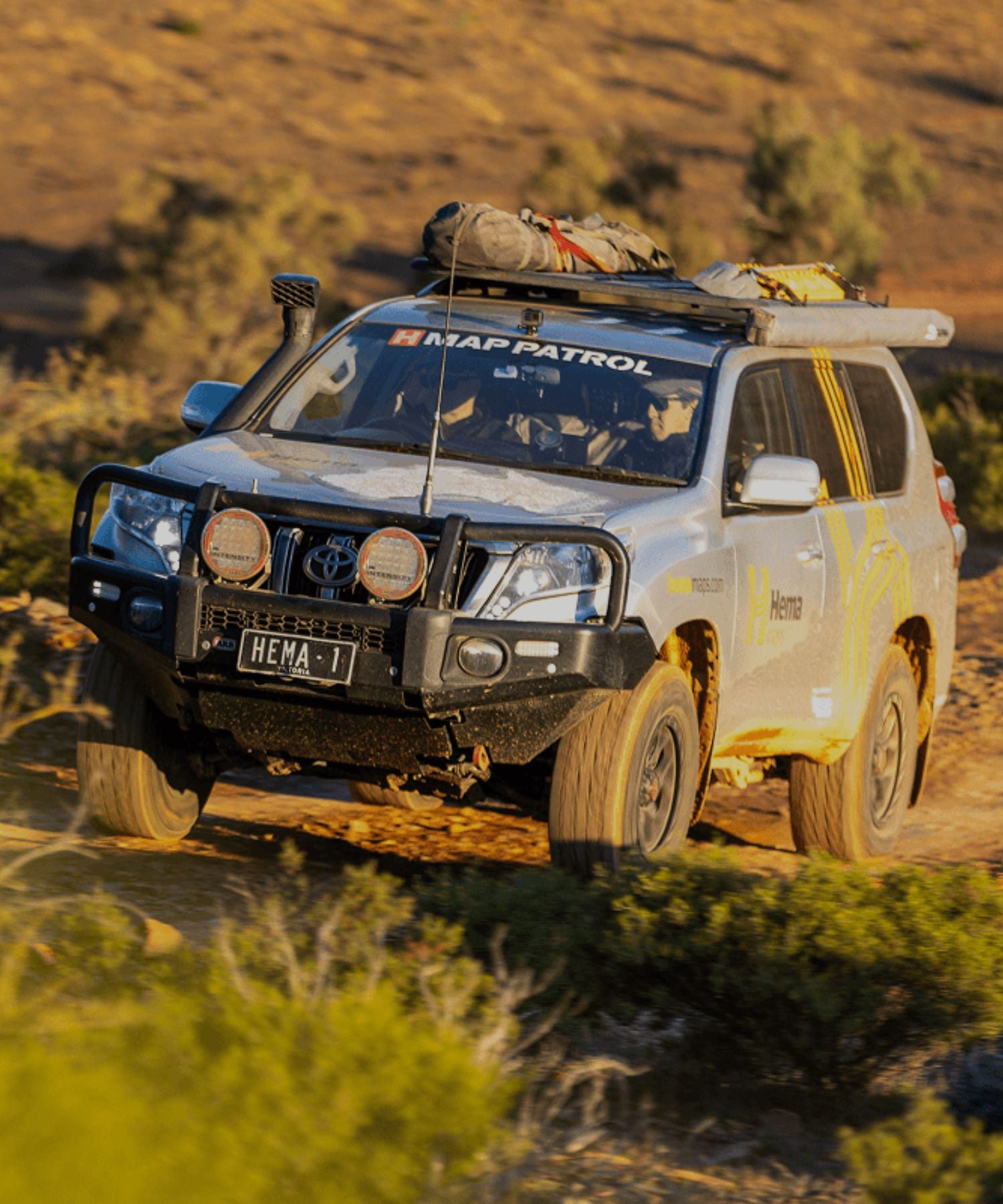
These six tips have been provided by Cooper Tires Australia, the tyre trusted by the Hema Map Patrol during remote mapping expeditions across Australia.
1. Drive smoothly and safely

It might sound obvious, but smooth driving is one of the easiest ways to extend the life of your tyres.
Hard cornering, rapid acceleration and abrupt braking all place additional stress on the tread and tyre structure. Over time, these habits can lead to faster and uneven tyre wear - meaning you may need to replace an expensive set sooner than expected.
Driving a 4WD doesn’t make your vehicle immune to everyday wear and tear. Whether you’re travelling through the suburbs, towing on the highway or exploring an unsealed track, gentle acceleration, progressive braking and controlled cornering will be kinder to your tyres.
Smooth driving can also help reduce fuel consumption, making it a valuable habit when every dollar at the bowser counts.
2. Take care when hitting potholes
Potholes, washouts and unexpected road hazards can cause serious tyre damage, particularly when they’re struck at speed.
If you spot a pothole early enough, reduce your speed safely before reaching it. If impact is unavoidable, Cooper Tires recommends braking on approach and releasing the brake immediately before the tyre strikes the hazard. This allows the tyre to roll more naturally over the impact and may reduce the likelihood of external damage.
Always prioritise maintaining control of your vehicle and avoid sudden steering movements that could put you or other road users at risk.
After hitting a particularly large pothole or object, inspect the affected tyre and wheel. Internal tyre damage may not always be immediately visible. New vibrations, changes in handling or a rougher ride could indicate a problem that needs professional attention.
Ignoring the warning signs may turn a simple inspection into a costly tyre replacement - or leave you dealing with a failure hundreds of kilometres later.
3. Never overload your tyres
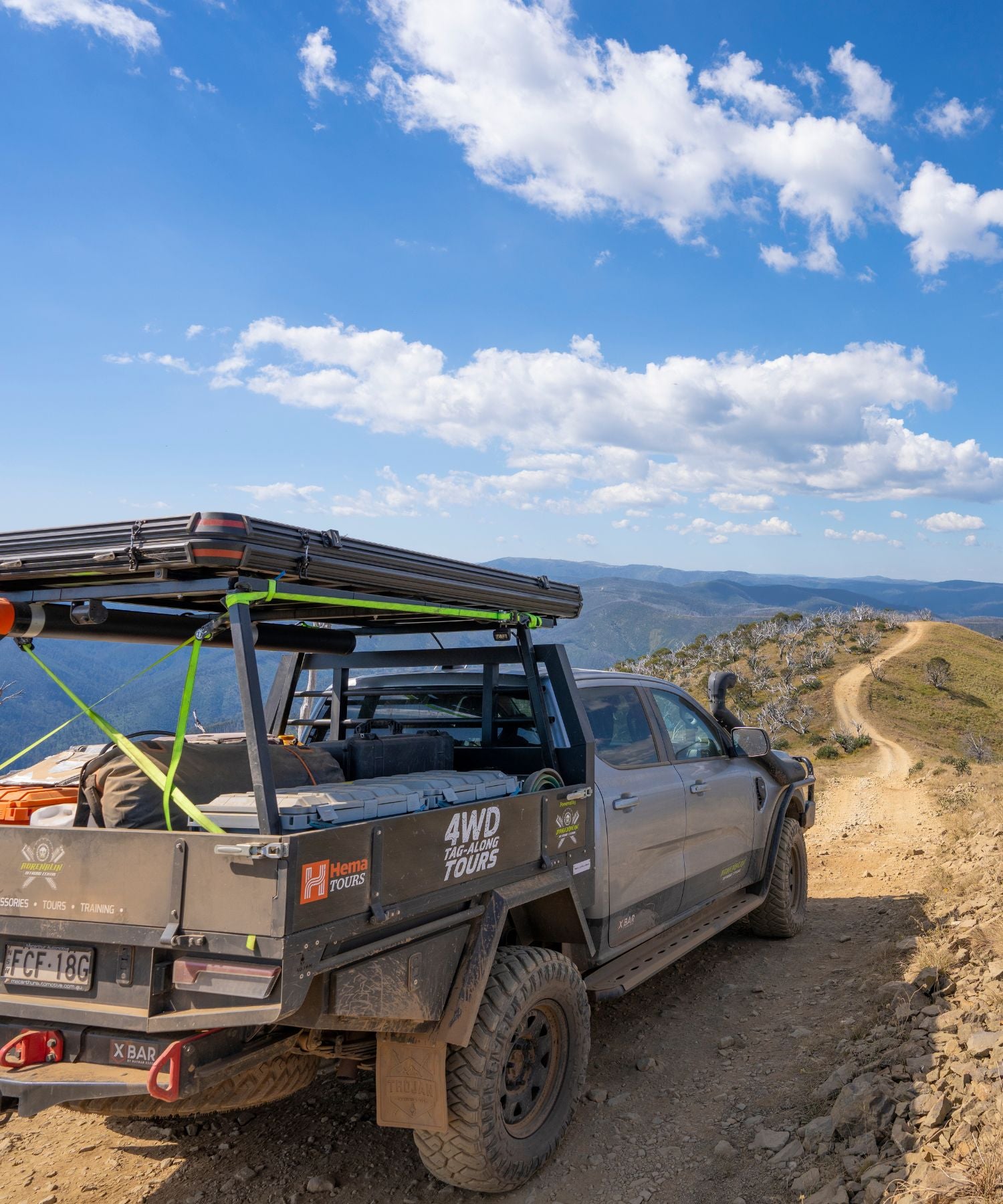
Packing for an extended camping or Outback adventure can quickly add more weight than expected. Passengers, fuel, water, recovery equipment, camping gear and accessories all contribute to your vehicle’s total load.
Driving on overloaded tyres can generate excessive heat, increasing the risk of premature wear or sudden tyre failure. It can also affect your vehicle’s steering, braking and overall stability.
Check the maximum load rating shown on the tyre sidewall and make sure your vehicle remains within its legal weight limits. You should also consider how the weight is distributed throughout the vehicle, rather than focusing only on the total figure.
When replacing a tyre, choose one with a load-carrying capacity equal to or greater than the specification shown on your vehicle’s tyre placard. A cheaper or incorrectly rated tyre could cost far more if it fails under load.
Make every journey safer with Hema’s 4WD Glovebox Guide and Towing Glovebox Guide. Packed with practical, easy-to-follow advice on vehicle setup, off-road driving, recovery and safe towing, these compact guides are ideal references to keep close at hand whenever you hit the road.


4. Store unused tyres correctly
Tyre care shouldn’t stop when your vehicle is parked. If you keep a spare set of tyres for touring, off-road use or seasonal travel, correct storage can help protect the rubber and extend its usable life.
Store tyres in a cool, dry and well-ventilated area away from direct sunlight and excessive heat. Allow air to circulate around them to reduce the risk of moisture-related damage.
Tyres should also be kept away from fuel, grease, solvents and other substances that may degrade the rubber. Cooper Tires advises avoiding storage within five metres of an electric motor, as exposure to ozone generated by some electrical equipment may contribute to rubber deterioration.
A dark corner of the shed may seem harmless, but the surrounding temperature, chemicals and equipment can all affect how well your tyres age.
5. Have suspected damage professionally checked
Small tyre problems can become expensive - and dangerous - if they’re ignored.
If you notice cuts, bulges, cracks, unusual wear or changes in how the vehicle handles, arrange an inspection as soon as practical. You should also have a tyre checked after any significant impact, even when there’s no obvious external damage.
A rope plug can be useful as a temporary emergency repair to help you get moving again, particularly when travelling remotely. However, it shouldn’t be treated as a permanent solution. Once you return to civilisation, have the puncture inspected and repaired professionally.
An authorised Cooper Tires retailer can assess whether the tyre can be safely repaired or needs to be replaced. Catching damage early could save the tyre—and potentially prevent a dangerous failure on your next trip.

6. Start remote trips with healthy tyres
Worn tyres and remote-area travel are a poor combination.
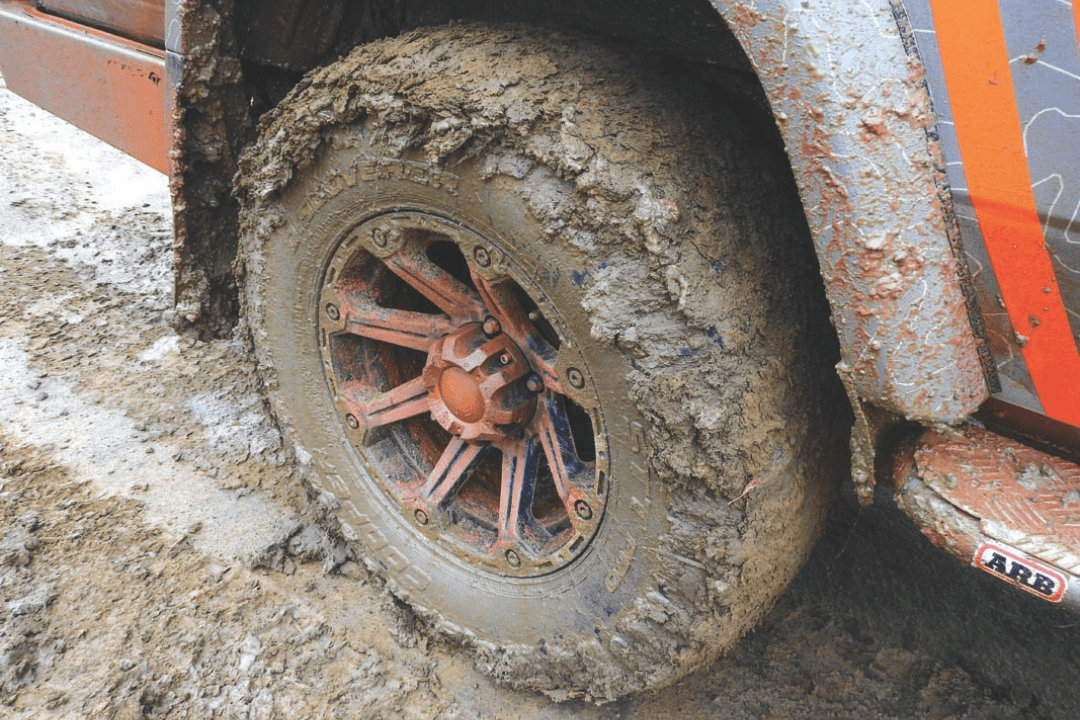
Tyres with deeper tread generally provide better grip and greater protection against punctures and damage than tyres approaching the end of their usable life. This becomes especially important on corrugations, rocky tracks, muddy surfaces and long stretches of unsealed road.
Before leaving on an Outback journey, carefully inspect every tyre - including the spare. Check the tread, sidewalls, overall condition and age, and make sure your spare is suitable for the terrain ahead.
Replacing worn tyres before departure may feel like a major expense, but it can be far cheaper than recovering a stranded vehicle from a remote location. More importantly, dependable tyres provide greater confidence when the road becomes rough and assistance is hours away.
Make every set of tyres go further
No tyre will last forever, but sensible driving, correct loading, proper storage and early inspections can help you get better value from your investment.
With household costs, fuel prices and touring expenses all competing for your budget, preventing unnecessary tyre wear is more important than ever. Look after your tyres and they’ll be better equipped to look after you - whether you’re completing the daily commute or following a Hema map into the heart of the Outback.