
How to Save Fuel and Make Every Drop Count
Make every drop count
There’s a particular kind of freedom in pointing the 4WD towards the horizon and seeing how far the road goes. The fuel bill that follows is less romantic. With a few thoughtful changes, though, you can use less fuel, stretch your range and keep more of the trip budget for the good bits: a night under the stars, an extra detour to a lookout, or a bakery stop that was definitely part of the plan.
Fuel economy isn’t controlled by one magic gadget. It’s the combined result of how you drive, what you carry, your vehicle’s condition and the road beneath your tyres. A touring rig loaded for a remote trip will use more than an empty vehicle on the school run, so the first step is understanding what your setup actually consumes.
Plan fuel stops before remote travel
Before heading beyond the suburbs, map out the fuel points along your route. Check distances, opening hours and whether the stop is likely to have the fuel you need. Remote roadhouses don’t always operate like a 24-hour servo, and a closed gate or unexpected detour can change the day’s plan.
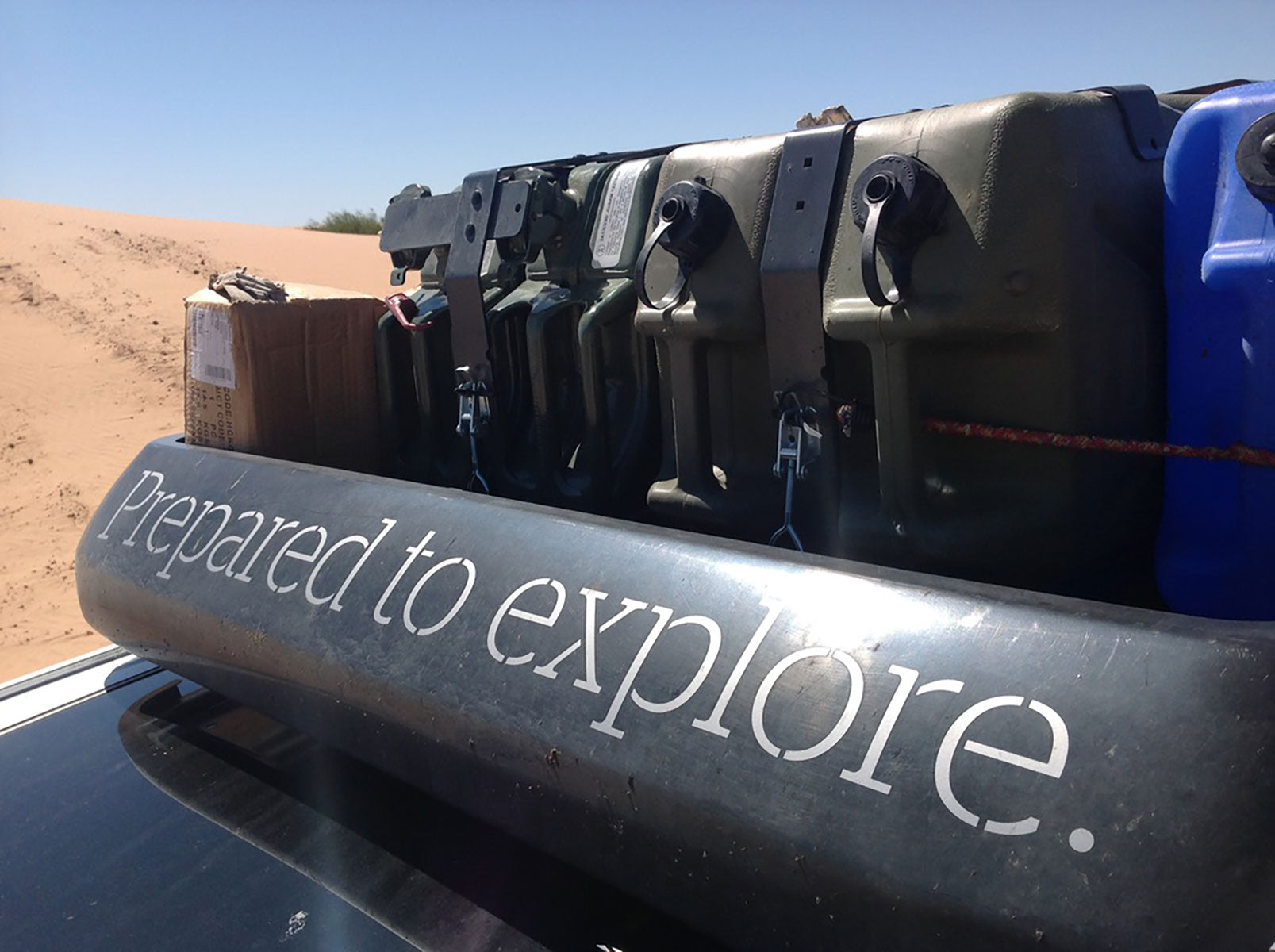
Use your measured touring consumption to estimate how much fuel each leg needs, then keep a sensible reserve for detours, headwinds, soft tracks or slow going. Don’t plan to arrive with the last drops in the tank. If your route requires extra fuel, carry it in approved, secure containers and account for the added weight. Keep fuel away from heat and ignition sources, and follow the container and vehicle manufacturers’ instructions.
Take the map that fits your trip
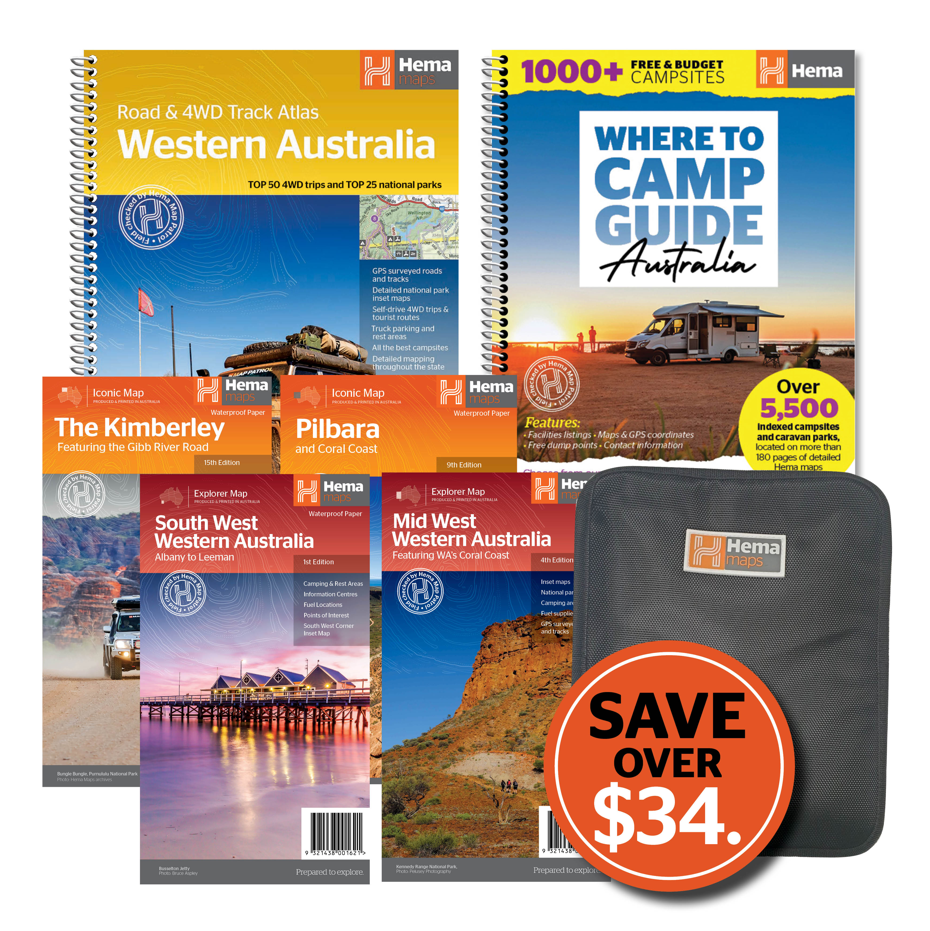
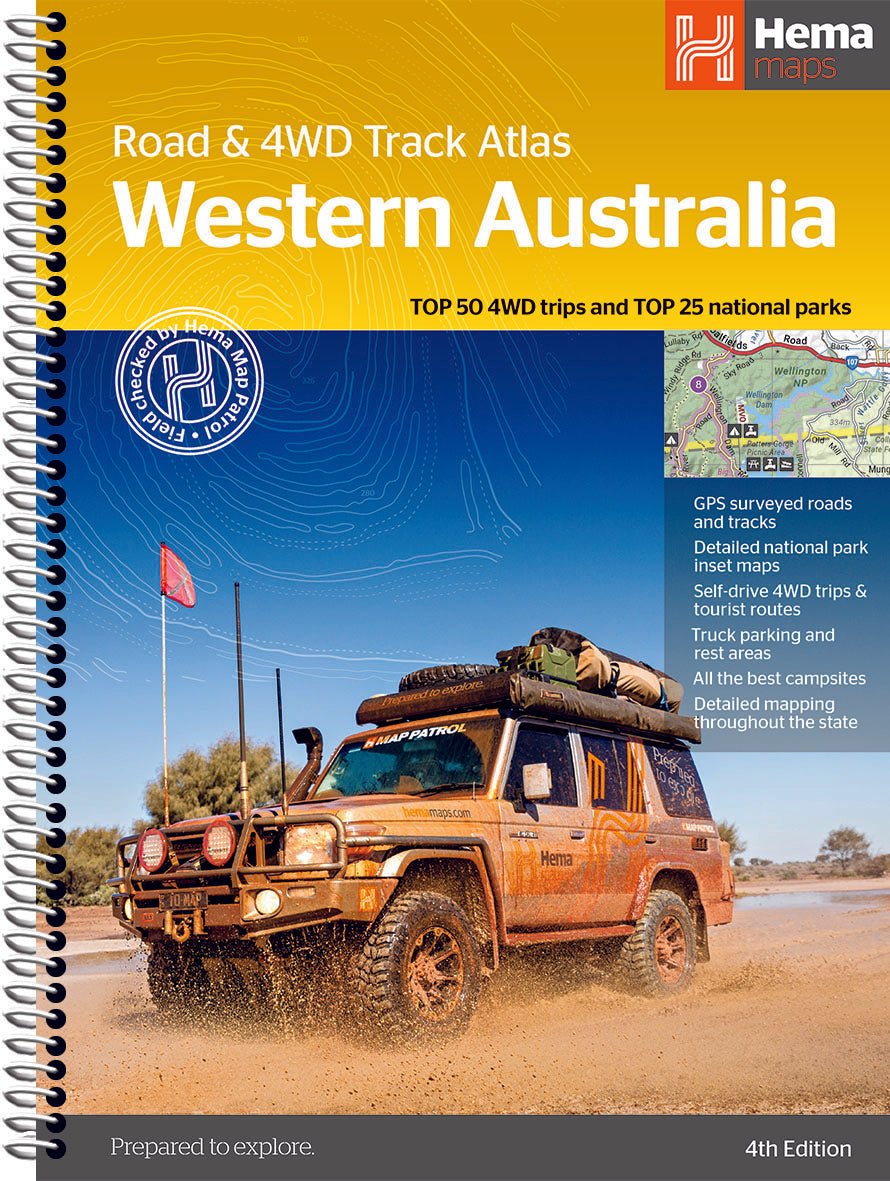
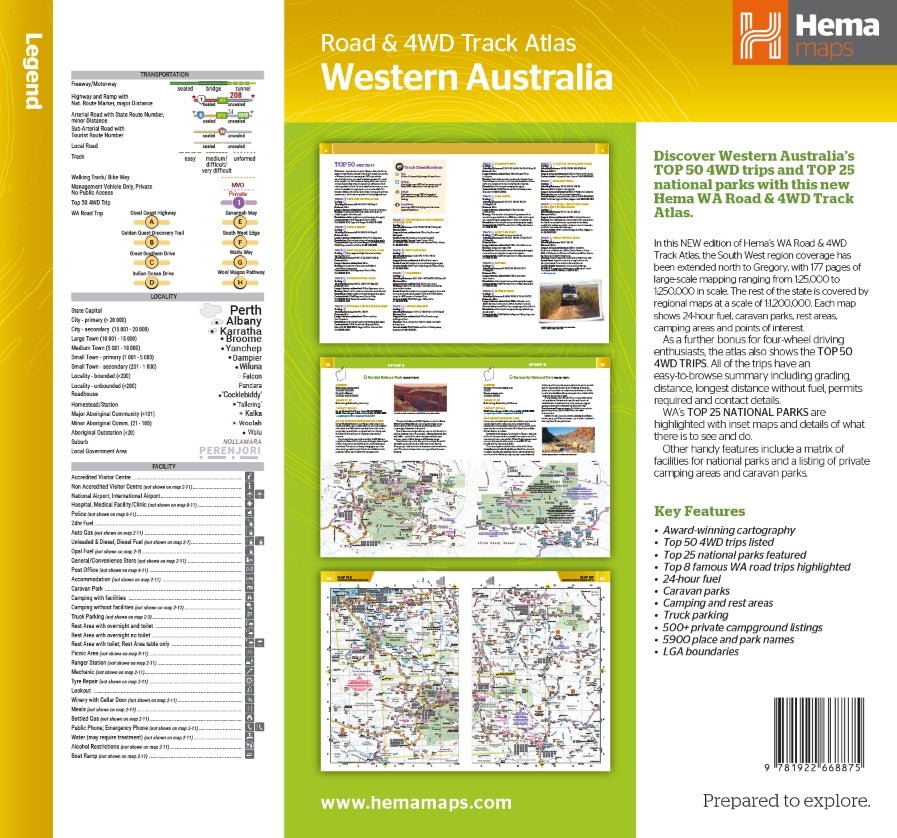
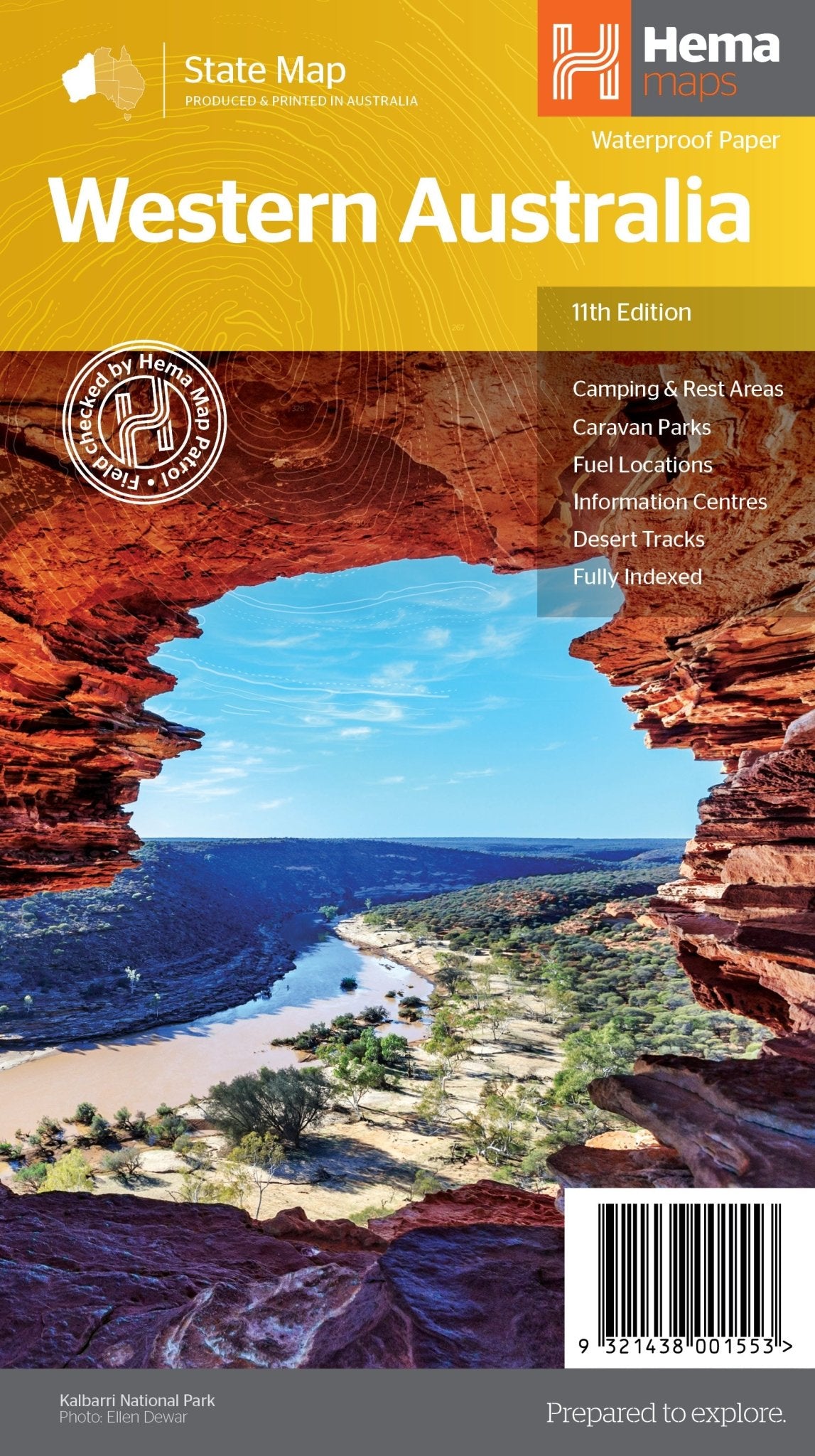
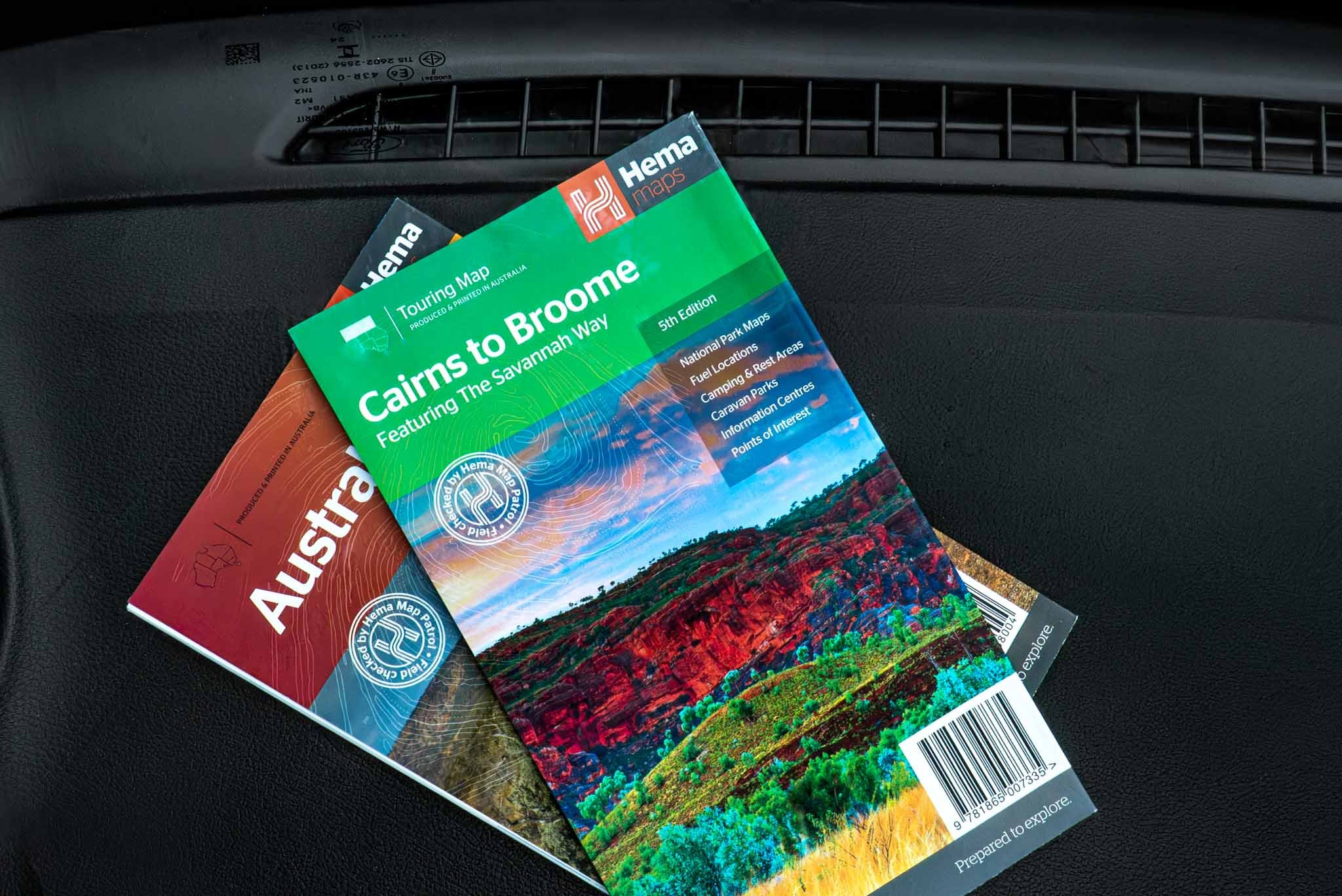
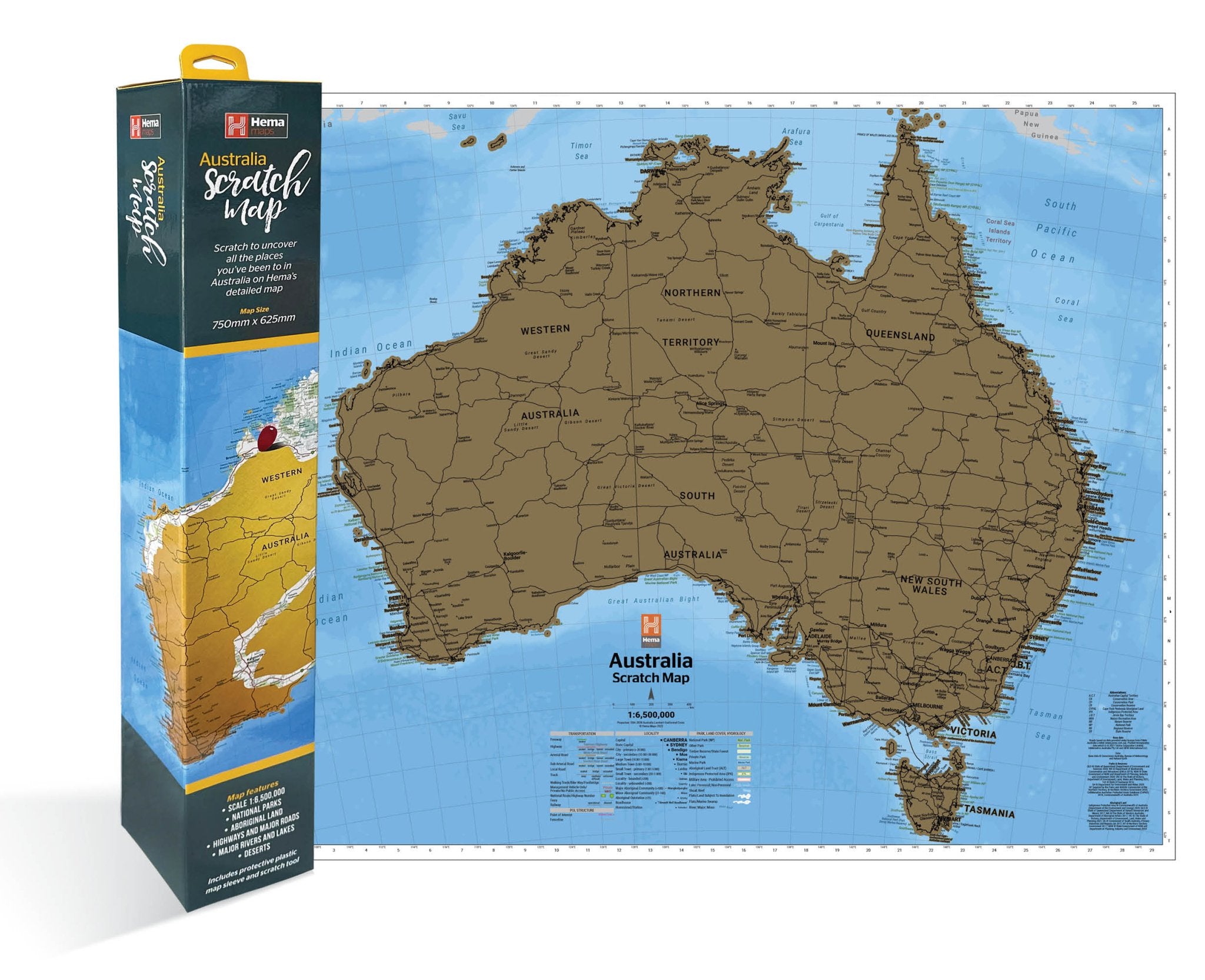
For trip planning, the Hema Maps Road & 4WD Atlas brings Australia’s road network and touring routes together in a handy reference. Check the route, note fuel stops and keep an eye on the distances between them before you leave. A little planning at the kitchen table can save a lot of guesswork at a remote intersection.

Travel lighter and cut the drag
Touring vehicles have a way of collecting gear. Before each trip, empty the drawers and ask what you’ll actually use. Water is essential, but it weighs a kilogram per litre; tools, recovery gear, spare parts and camping equipment add up quickly too. Carry what the route requires, and leave the ‘just in case’ collection at home when it isn’t needed.
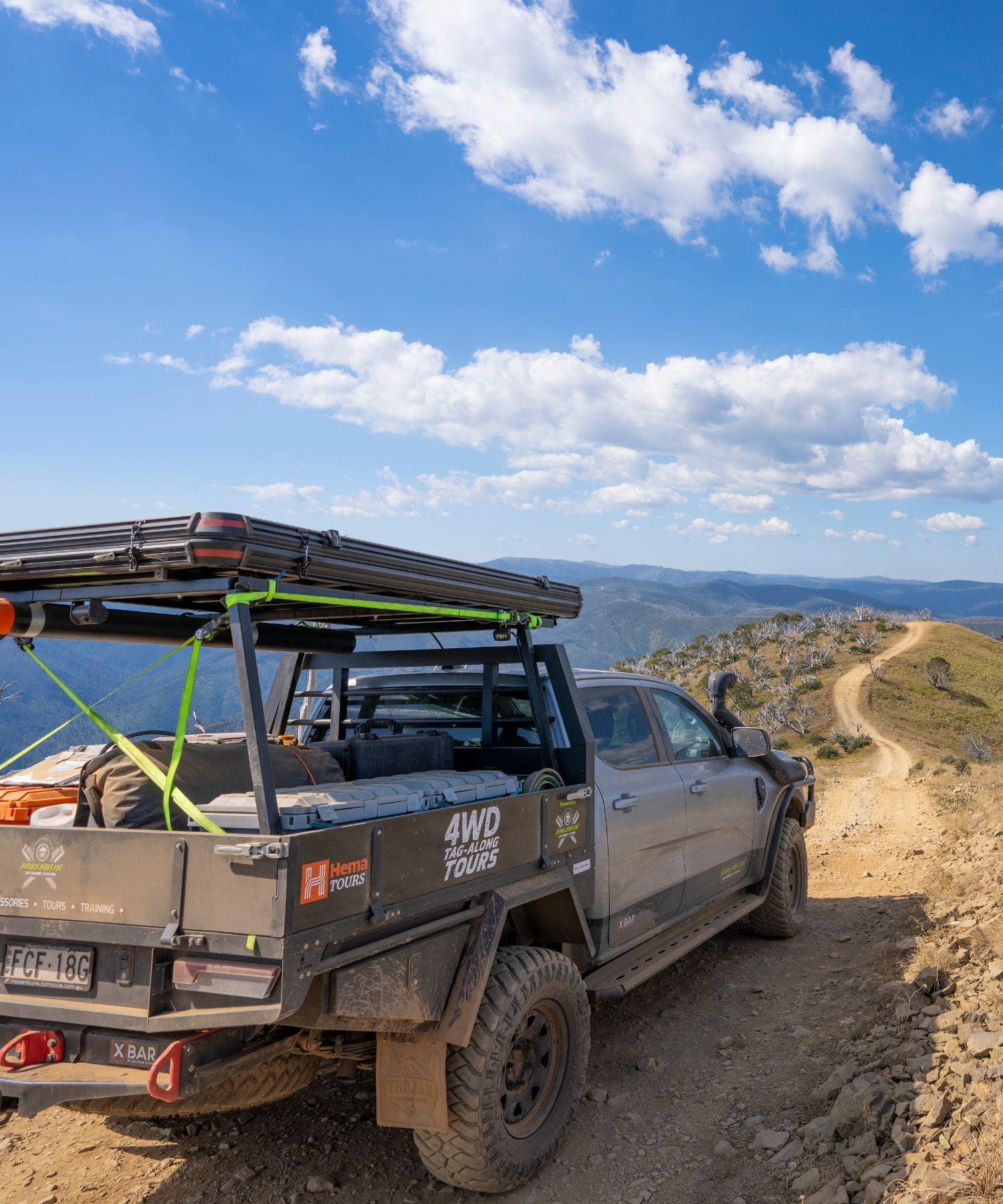
Weight isn’t the only thing costing you fuel. Roof racks, rooftop tents, awnings and bulky loads catch the wind. If you only need them for some trips, take them off between adventures. Pack heavy items low and secure, and keep the shape of the load as tidy as you can. You don’t have to turn your 4WD into a stripped-back commuter; just avoid hauling the whole campsite to work every day.
Ease into the drive
A smooth right foot is one of the simplest fuel-saving tools you already own. Accelerate progressively, look well ahead, and leave enough room to avoid repeated hard braking and acceleration. Every time you rush up to traffic and brake late, you spend fuel building speed that you immediately throw away as heat.
On the highway, a slightly more relaxed cruising speed can help, especially with a roof load or caravan creating extra drag. Keep within posted limits and choose a speed that suits the conditions; there’s no prize for arriving five minutes earlier with an emptier tank. Cruise control can be useful on steady, open roads, but on rolling or hilly terrain it may work the engine hard to hold an exact speed. Stay alert and use the approach that keeps the vehicle moving smoothly and safely.
Off-road, controlled momentum matters. Avoid spinning the tyres or charging at obstacles. Select the right gear, use measured throttle and let the vehicle work at a steady pace. Apart from saving fuel, this is kinder to your tyres, drivetrain and passengers’ nerves.
Check tyres and vehicle health
Check tyre pressures when the tyres are cold and set them for your vehicle, load and tyre combination. Underinflated tyres on sealed roads can increase rolling resistance, while pressures that are too high for a particular off-road surface can reduce traction and make the vehicle work harder. On sand or rough tracks, lower pressures are primarily about flotation, grip and protecting the vehicle. Air back up before returning to higher-speed bitumen, and follow your tyre and vehicle manufacturers’ guidance.
A little maintenance can prevent avoidable fuel use and trouble. Keep up with scheduled servicing, check the air filter and look for dragging brakes, poor alignment or tyres wearing unevenly. If your consumption suddenly changes, don’t just blame the price of fuel: have the vehicle checked by a qualified mechanic.

Know your real-world range
Start with a full tank and reset the trip meter. At the next fill, note how many litres it takes and how far you travelled. Divide the litres used by the kilometres travelled, then multiply by 100 to get litres per 100 kilometres. Repeat over a few tanks, including a loaded trip if possible, and you’ll have a more useful picture than the best figure on the dashboard.
Consumption changes with towing, payload, wind, speed and terrain. Sand, corrugations, steep climbs and low-range driving can all push it up. If you’re planning a remote route, use a conservative figure that reflects the toughest part of the trip, not your best highway result. A fuel gauge is a guide, not a promise that the next pump will be open.
Navigate with confidence beyond reception
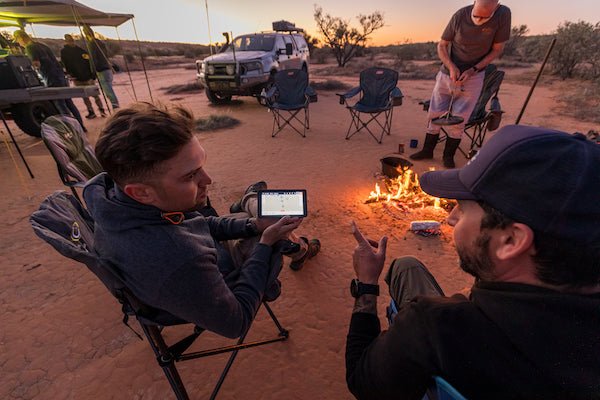
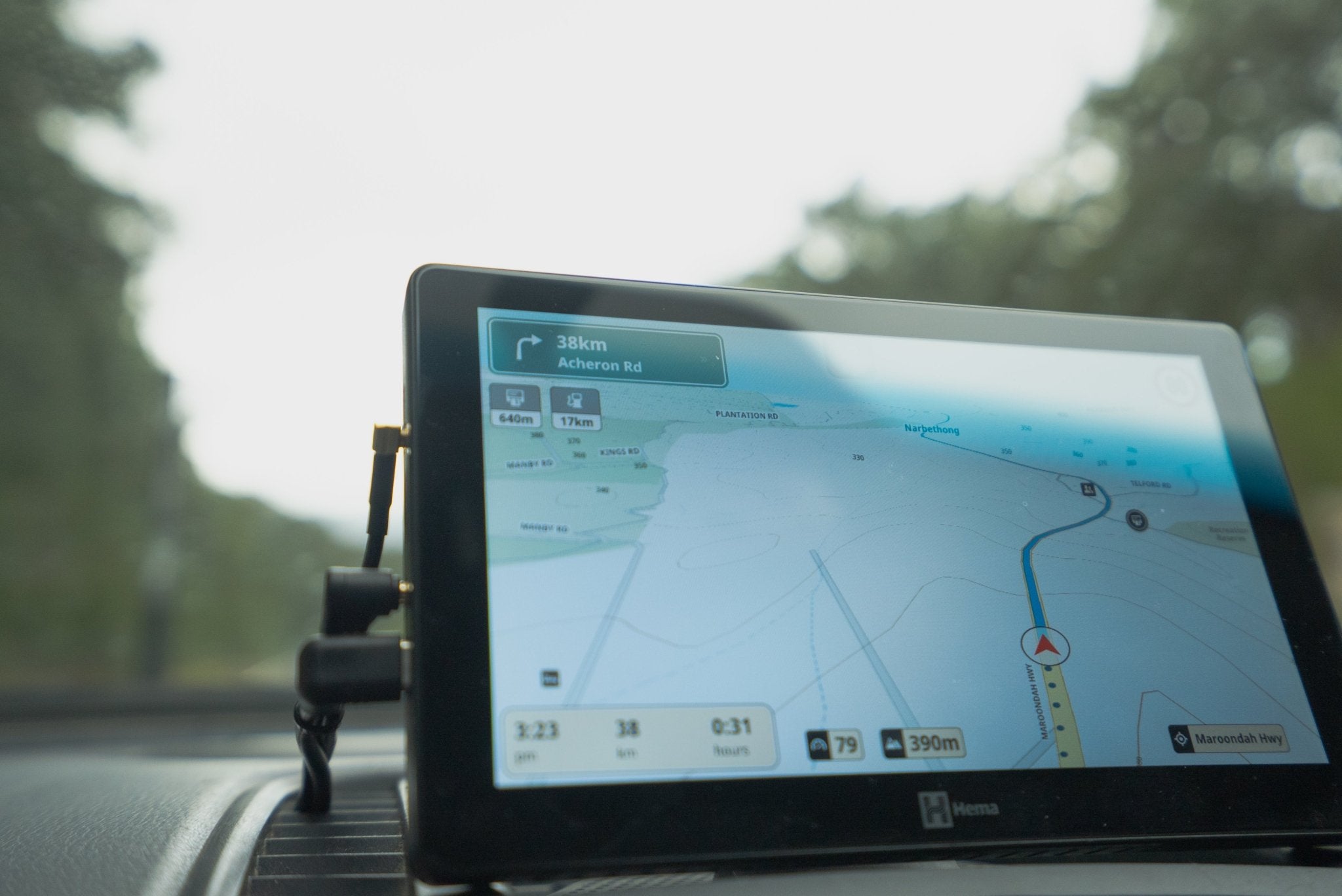
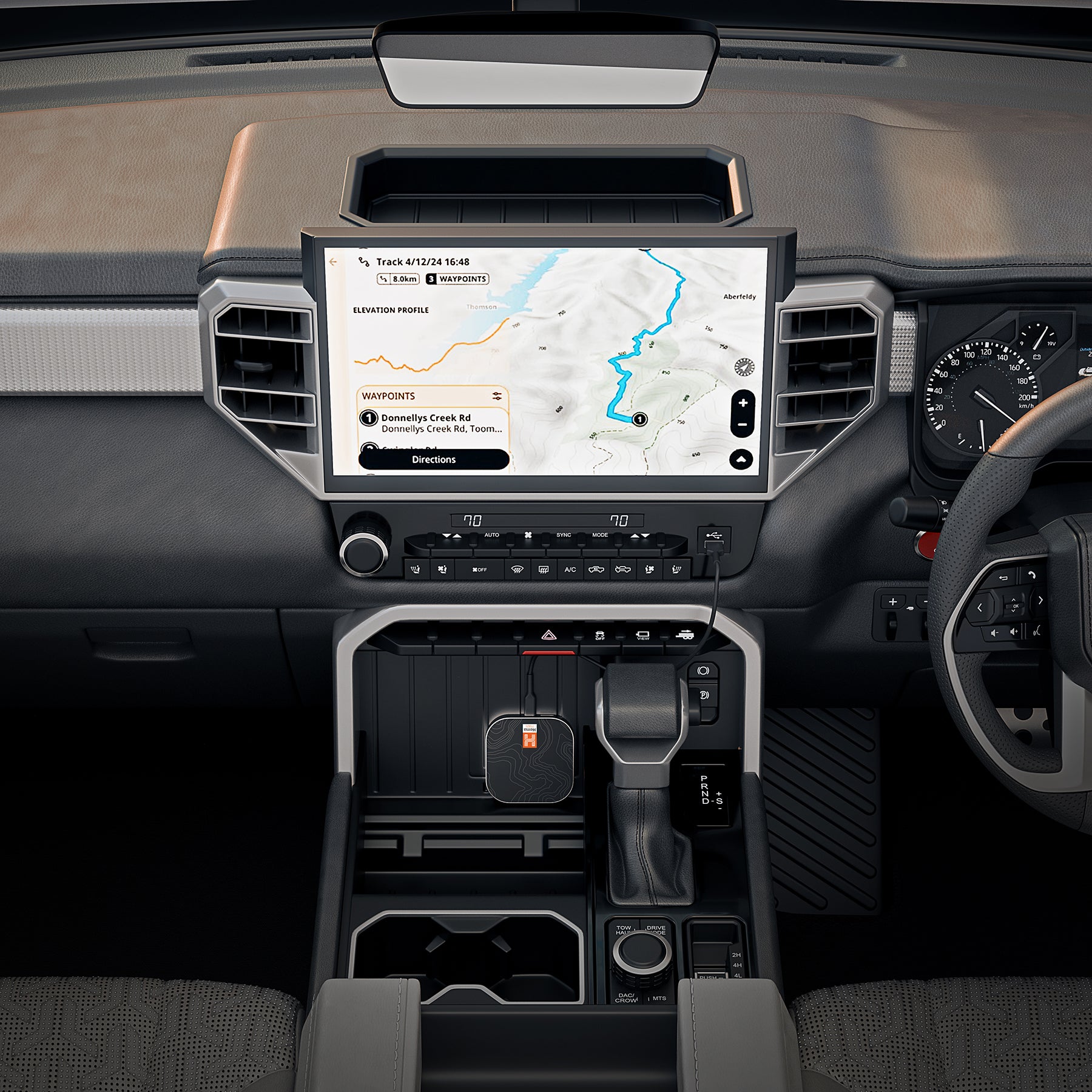
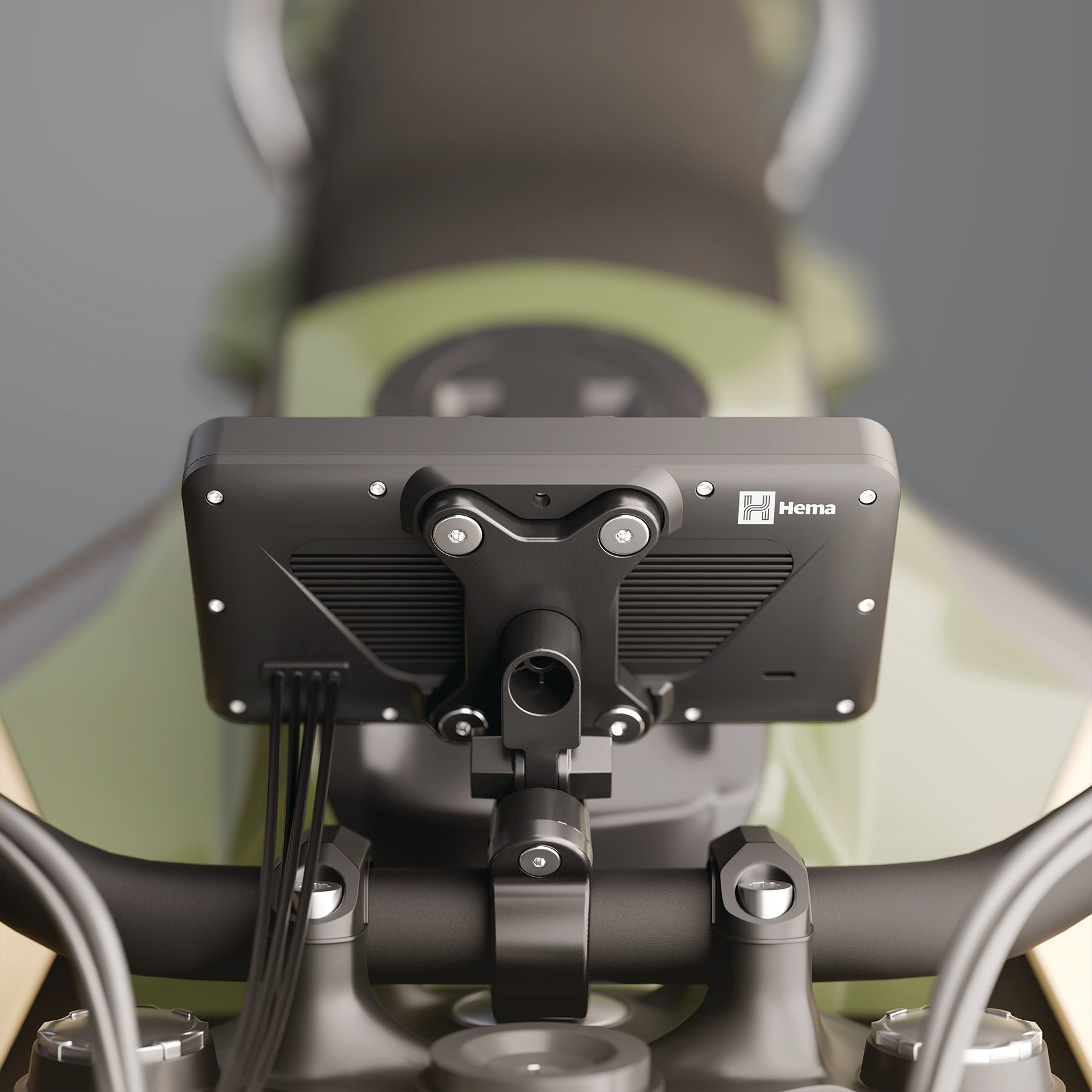
For turn-by-turn guidance on the drive, the Hema Maps HR-1 Nav combines Hema Nav with a smart navigation display, while the HX-BOX connects to a compatible vehicle touchscreen with wired Apple CarPlay or Android Auto. Both provide access to Hema Nav for on-road and 4WD navigation, helping you follow your planned route and stay oriented when mobile coverage is limited. Download updates and prepare your route before departure, then keep a paper map as a reliable companion.


Small choices, longer adventures
Saving fuel doesn’t mean giving up the detours or crawling along in everyone’s way. It means matching your speed to the conditions, carrying the gear you need, keeping the vehicle in good shape and knowing where the next fuel stop is. Those habits make each tank go further and make remote travel more relaxed.
So before the next trip, take ten minutes to check the load, tyres and route. Your fuel gauge may not thank you out loud, but it might stay comfortably away from empty long enough for one more scenic turn-off.