

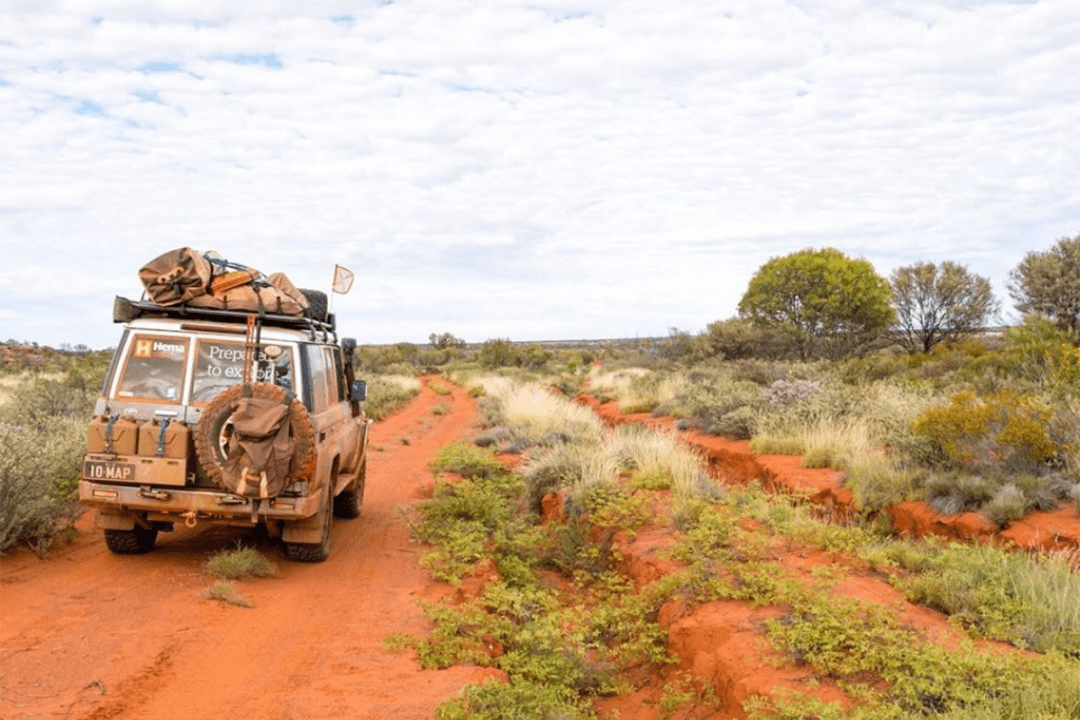
Our Top 5 4WD Lessons
Making mistakes is part of learning to drive off-road. Choosing the wrong line, dropping your tyre pressures too late or getting bogged within sight of the bitumen can all become useful lessons - and entertaining campfire stories once your dignity has recovered.
However, some 4WD lessons are expensive, dangerous or capable of ending a trip altogether. These are the lessons you would much rather learn from someone else.
From neglected winches to runaway wheels, here are five off-road mistakes you never want to experience firsthand - and what you can do to avoid them.
1. Discovering Your Winch Doesn’t Work
A winch is often treated like an emergency button: mount it to the bullbar, admire it occasionally and assume it will leap into action when required.
Unfortunately, winches spend much of their lives exposed to water, dust, mud, vibration and weather. Electrical connections can corrode, controllers can fail, ropes can deteriorate and isolators can be left disconnected. None of this is particularly amusing when your vehicle is stuck halfway up a hill and the winch responds with complete silence.
Before a major trip, inspect and test your winch according to the manufacturer’s instructions. Check the rope or cable, hook, fairlead, electrical connections, controller, isolator and battery condition. Your recovery kit should also include suitable rated equipment, and everyone involved should know how to conduct a controlled recovery safely.
The bottom of a bog hole is a poor location for your first winching tutorial.
The lesson: regularly inspect and operate your winch - particularly before remote travel. Recovery equipment is only useful if it works and you know how to use it.
2. Losing a Wheel
A puncture is inconvenient. A wheel overtaking you on the track is an entirely different category of problem.
Long stretches of corrugations, rough tracks and repeated impacts can expose existing problems with wheel fitment or incorrectly tightened wheel nuts. If the nuts loosen far enough, the wheel can separate from the vehicle, potentially damaging the wheel studs, brake assembly, hub and surrounding bodywork.
There is also the considerable danger posed by a loose wheel bouncing towards another vehicle, campsite or thoroughly surprised bystander.
Wheel nuts should be tightened to the vehicle or wheel manufacturer’s specified torque using the correct tools. They should also be checked after a wheel has been changed and monitored during demanding trips as recommended for your vehicle and equipment. A quick visual inspection is helpful, but it is not a substitute for checking them properly.
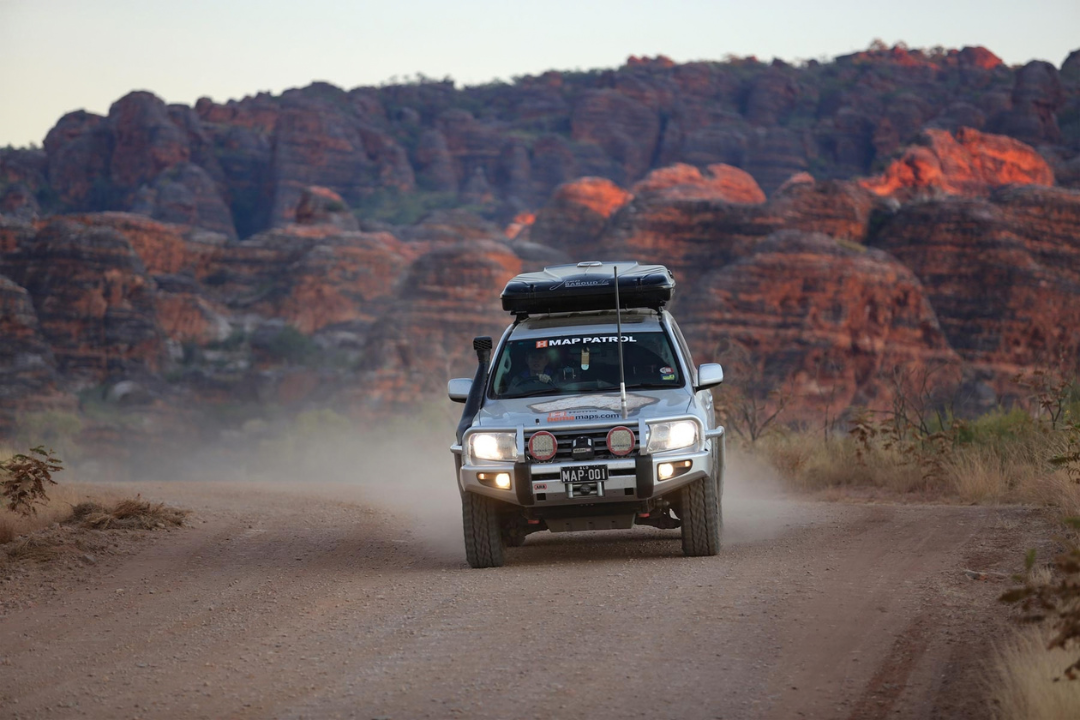
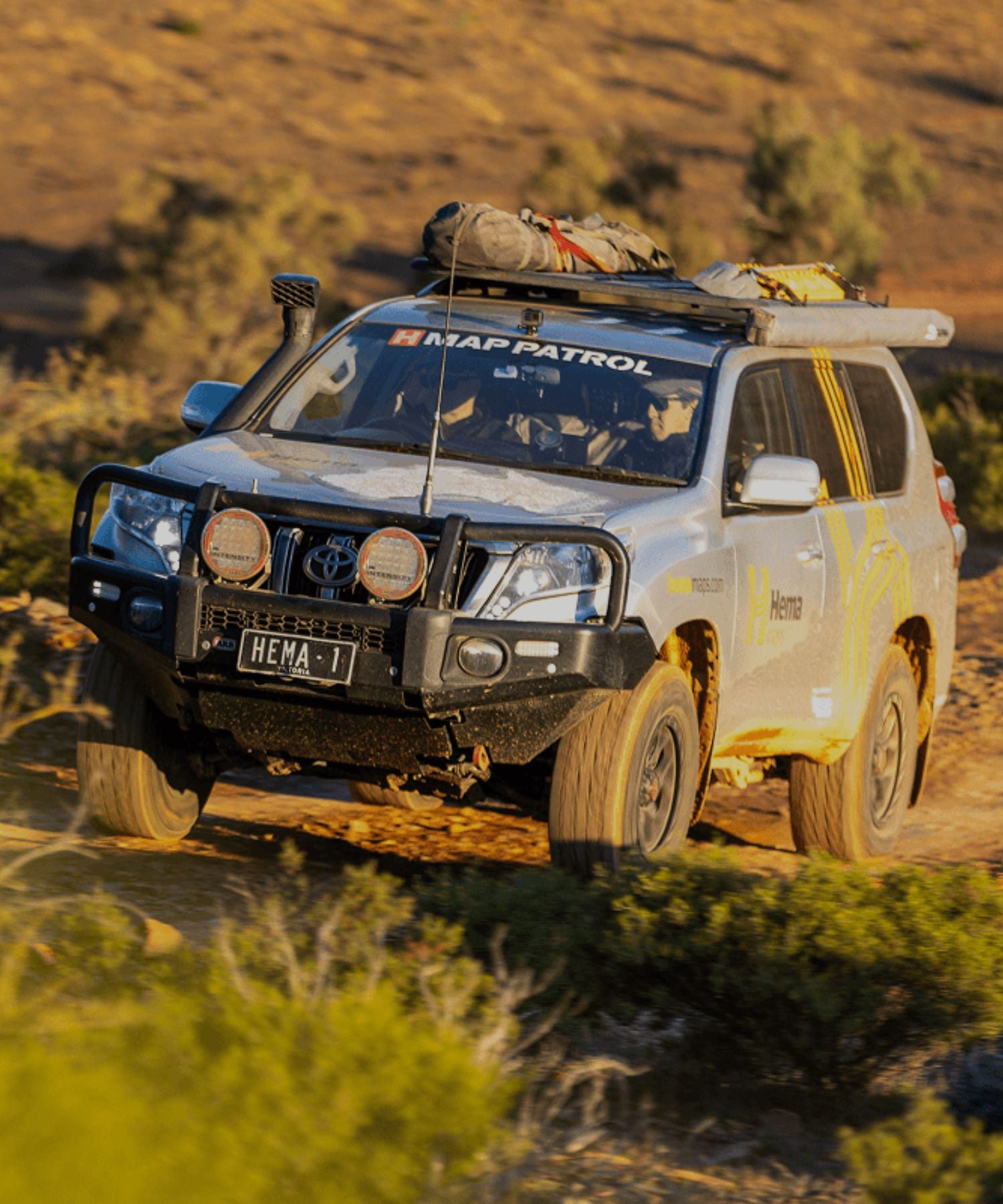
This is why wheel nuts form part of the Hema Map Patrol’s regular vehicle checks when travelling in the field. A few minutes spent inspecting the vehicle each morning can prevent a very long afternoon.
The lesson: check your wheel nuts, tyres and general vehicle condition regularly. If something feels or sounds different, stop and investigate before the track performs the diagnosis for you.

3. Breaking a CV Joint
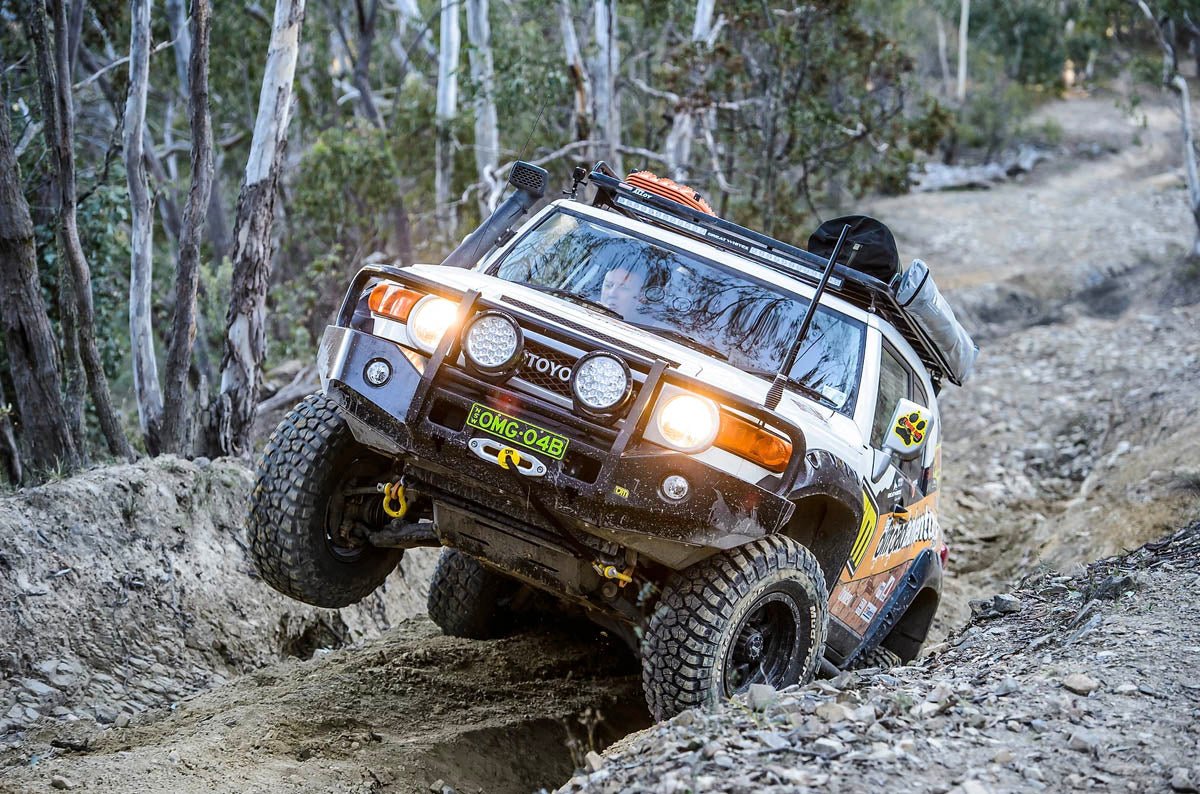
Technical terrain often involves lifting a wheel as the suspension works across ruts, rocks and washouts. Done slowly and carefully, this may simply be part of negotiating the obstacle. Add too much throttle, however, and things can become expensive very quickly.
When a wheel is in the air, it can spin with little resistance. If it lands while rotating quickly and suddenly regains traction, the resulting shock load travels through the driveline. A CV - or constant-velocity - joint may become the unfortunate weak link.
Worn CV joints can produce clicking or clunking noises, particularly while turning. A major failure may result in a loss of drive through the affected axle and leave the vehicle unable to continue safely.
The best defence is controlled driving. Select the appropriate gear and range before entering the obstacle, maintain gentle throttle inputs and avoid attacking difficult sections with speed. If you are uncertain, stop somewhere safe, walk the track where appropriate and plan your line.
Momentum has its place off-road, but it should never be confused with simply giving it the berries and hoping for the best.
The lesson: drive technical terrain smoothly. Sudden throttle inputs and bouncing wheels place enormous stress on the driveline.
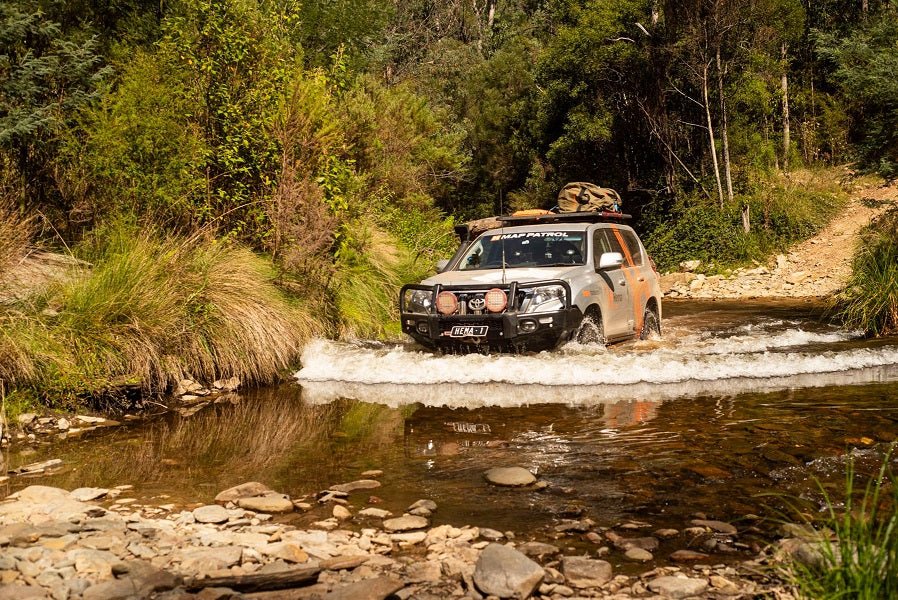
4. Becoming Stranded in a Water Crossing
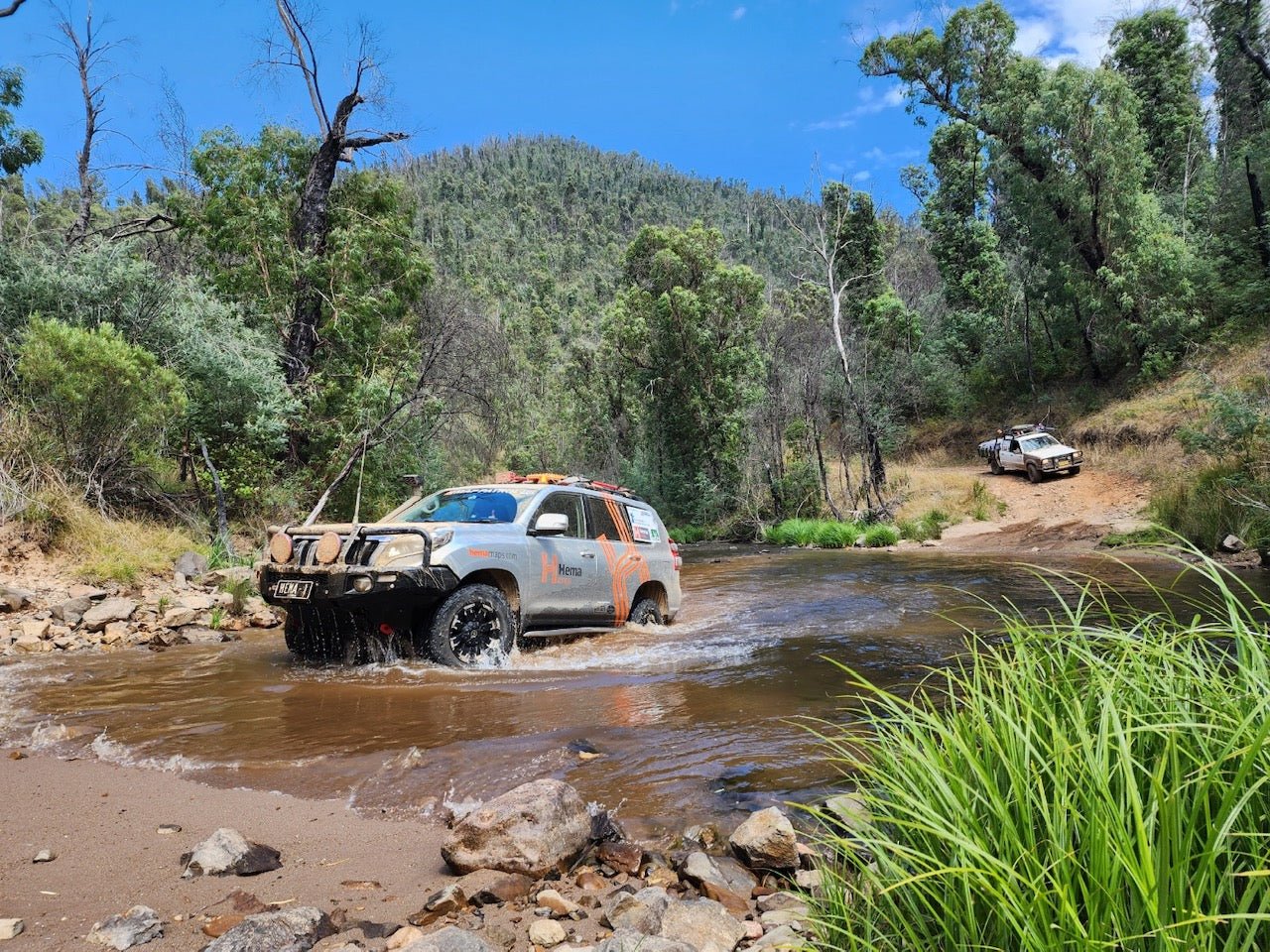
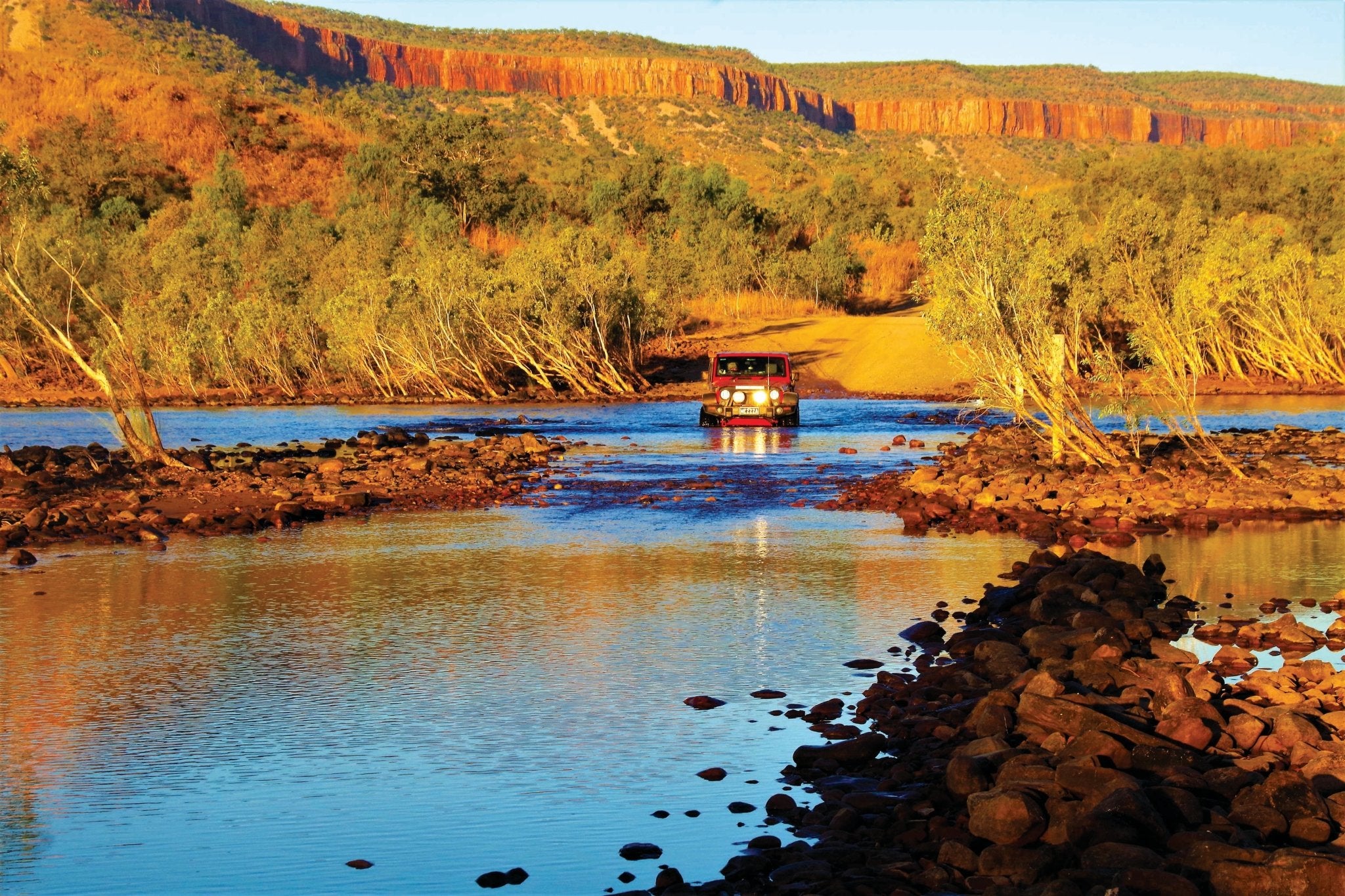
Water crossings make excellent photographs. They can also hide holes, submerged obstacles, soft bottoms, damaged causeways and currents far stronger than they appear from the bank.
A snorkel may raise the engine’s air intake, but it does not transform a 4WD into a submarine. It does not automatically protect the vehicle’s electronics, transmission, differentials, cabin or other components from water. You must also know the manufacturer’s stated wading depth and understand how your particular vehicle has been prepared.
Floodwater is different from a known, established water crossing. Never drive into floodwater or attempt to cross a closed road. Conditions can change rapidly, and the track or causeway beneath the surface may no longer exist.
For established crossings, confirm that the track is open and check recent conditions before leaving home. Assess the depth, current, entry, exit and surface only when it is safe to do so. If you cannot assess the crossing safely, turn around.
In crocodile country, do not enter the water to inspect a crossing. Any Top End waterway may contain crocodiles, including places where none are immediately visible. A long detour is vastly preferable to becoming a cautionary tale with a suspiciously short final chapter.
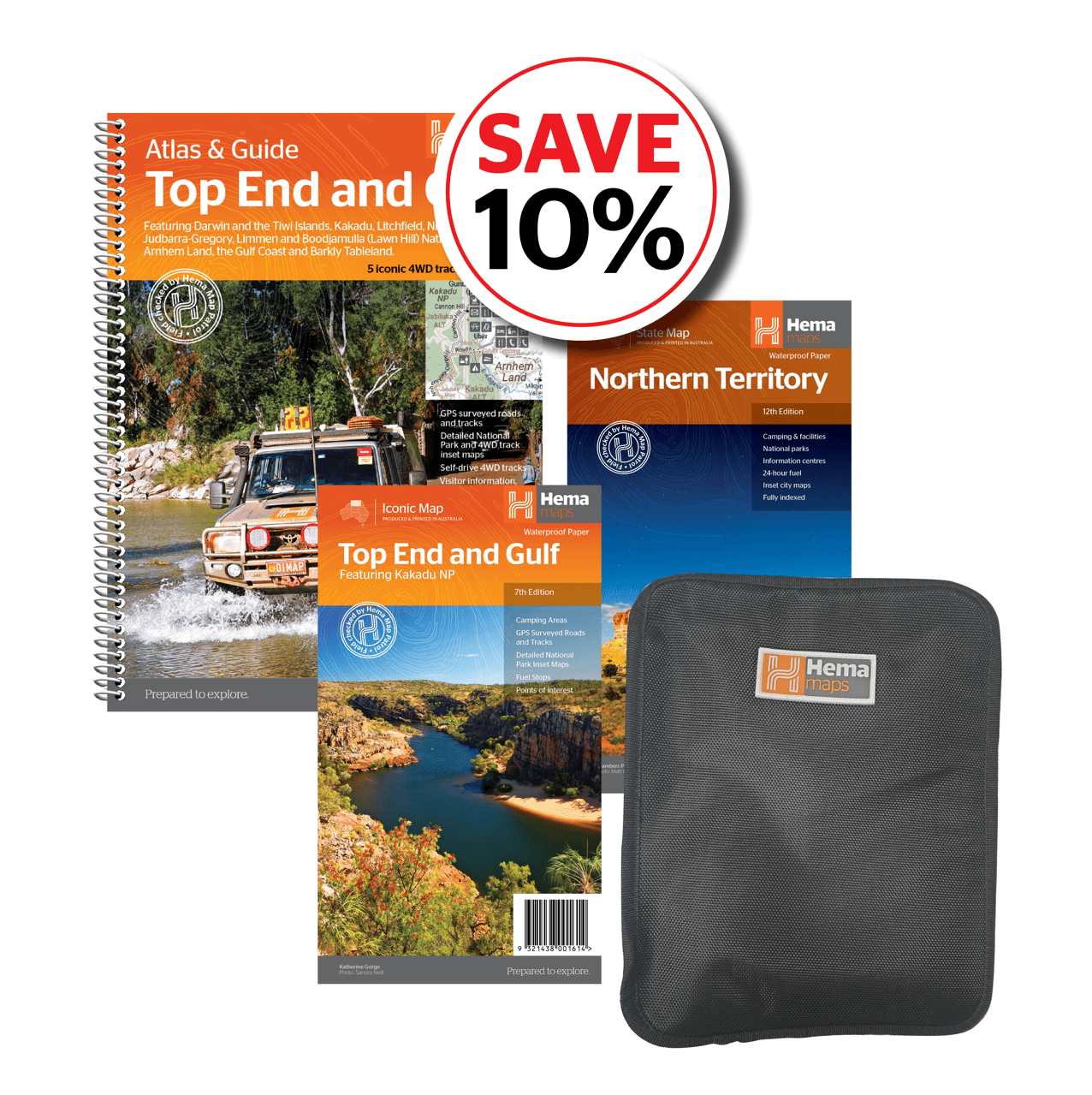
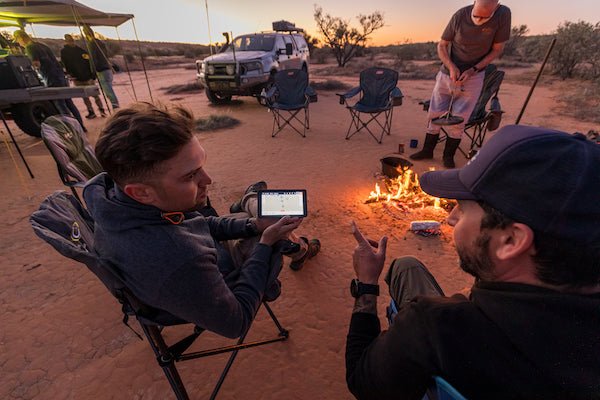
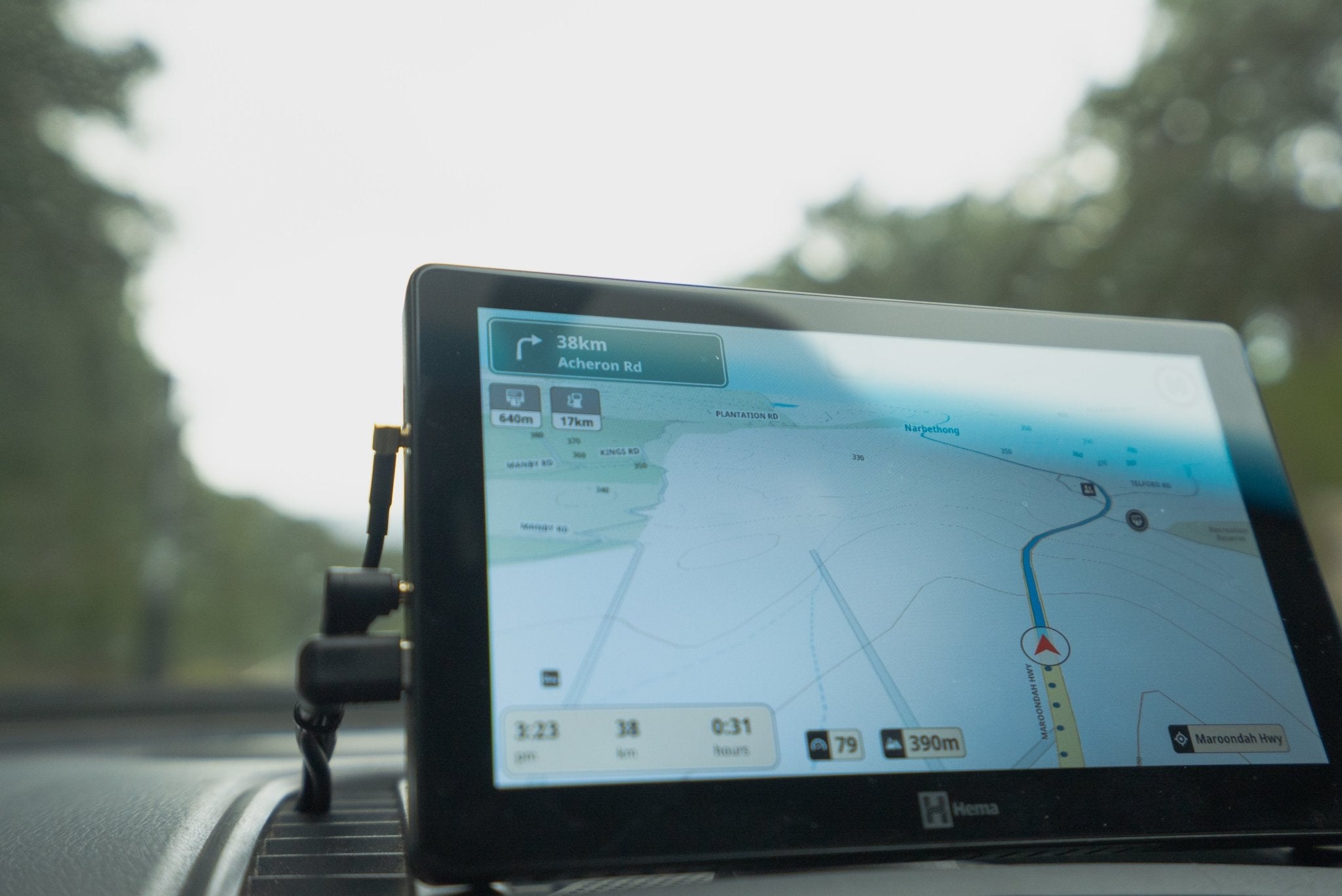
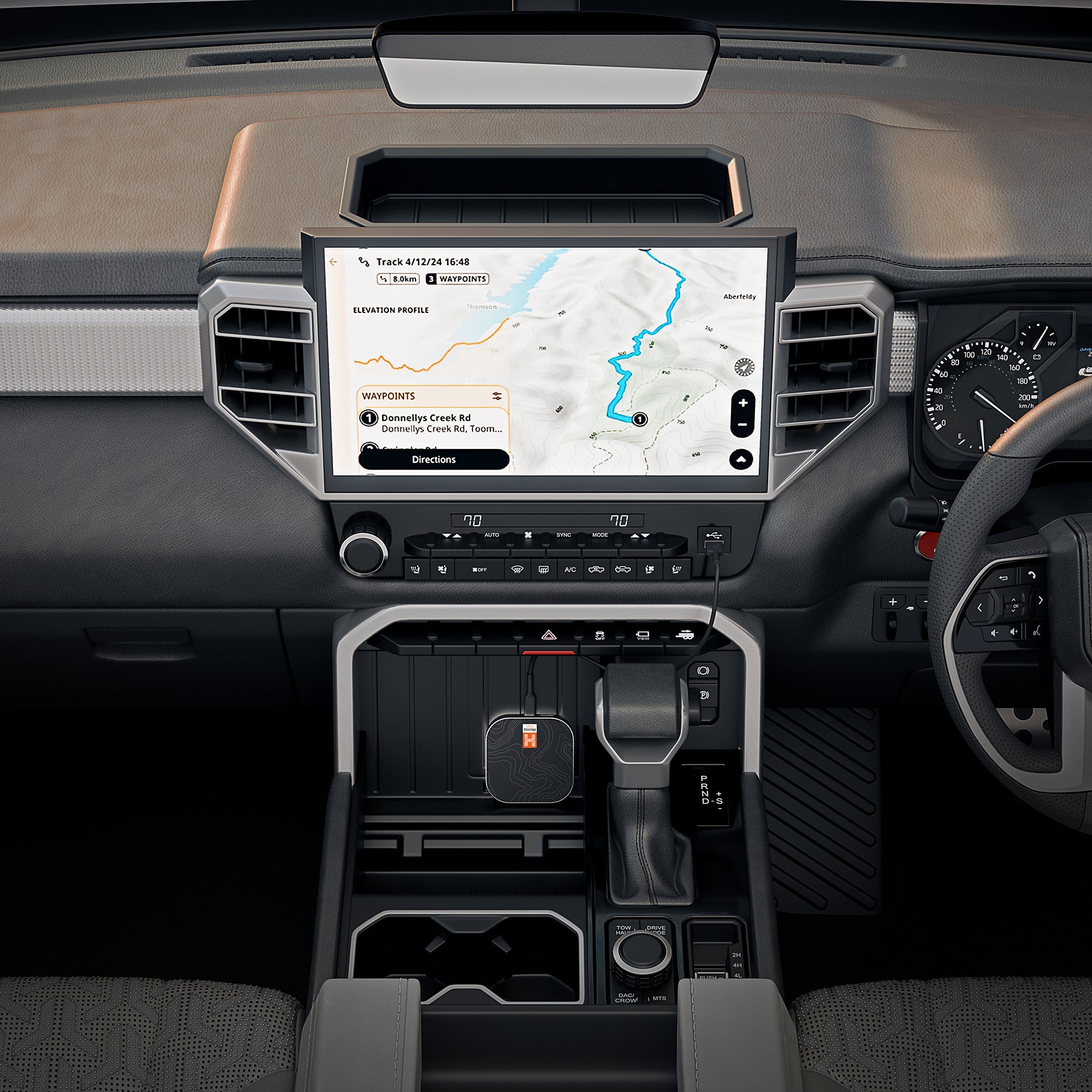
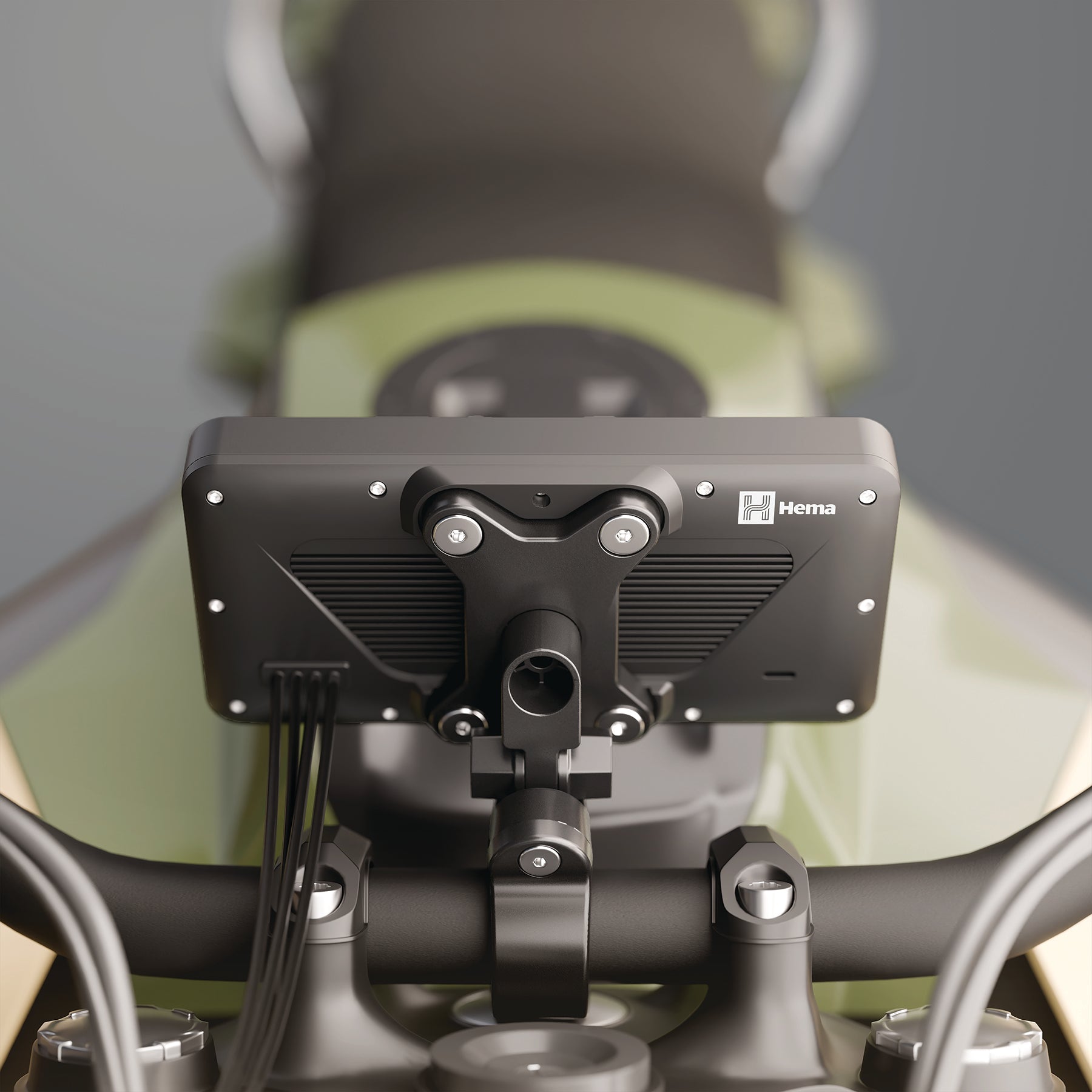
Good navigation also matters. Carry up-to-date Hema maps or a Hema GPS navigator, download any required digital mapping before losing reception and identify alternate routes in advance. When a crossing is unsafe, knowing the way around can save the trip.
The lesson: a snorkel is not permission to cross. Check current conditions, understand your vehicle, never enter floodwater and be willing to turn around.


5. Rolling Your 4WD
A rollover is one of the most dangerous incidents that can occur off-road. It may be caused by excessive speed, sudden steering, a poor line, deeply uneven terrain or driving across a steep side slope.
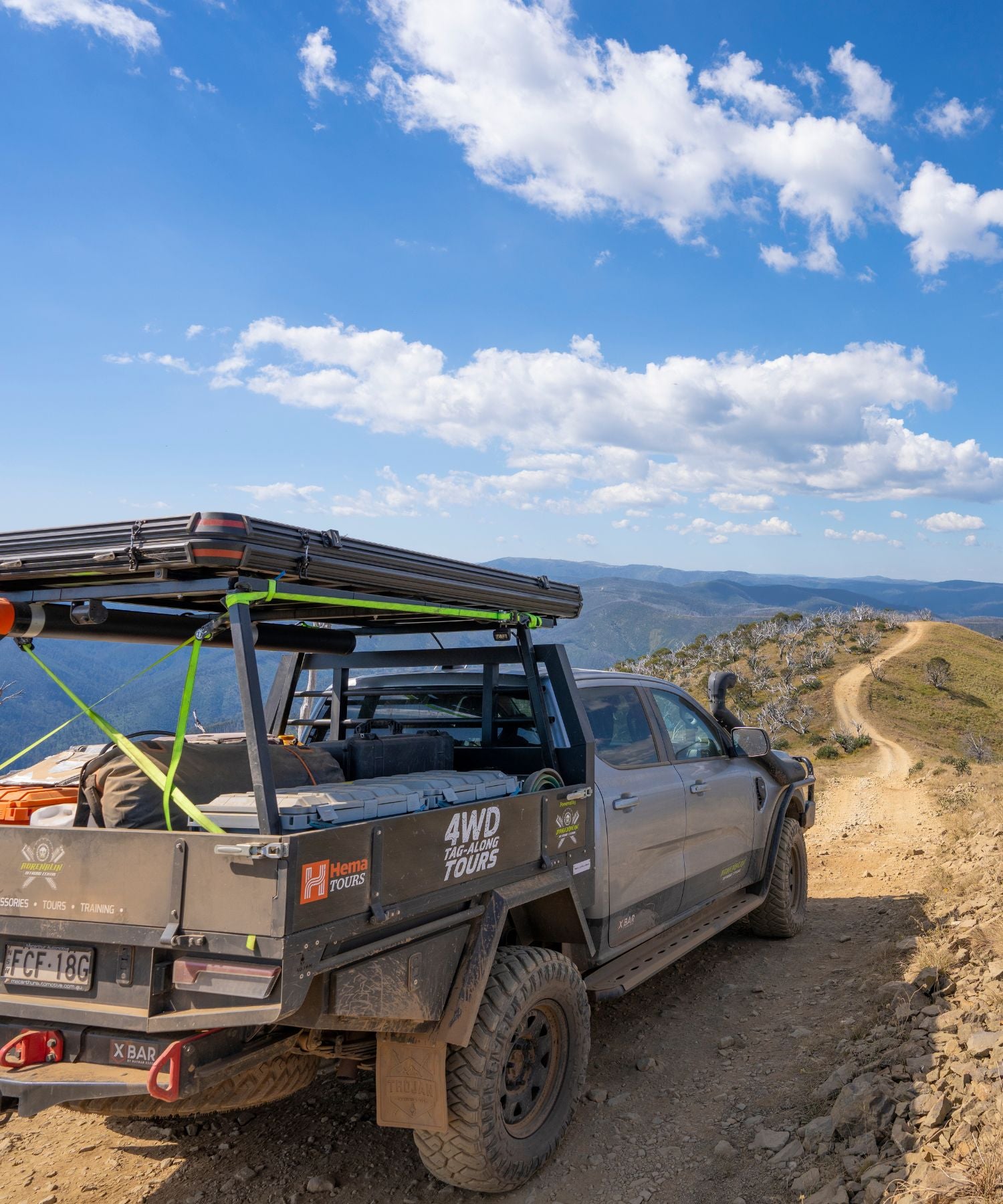
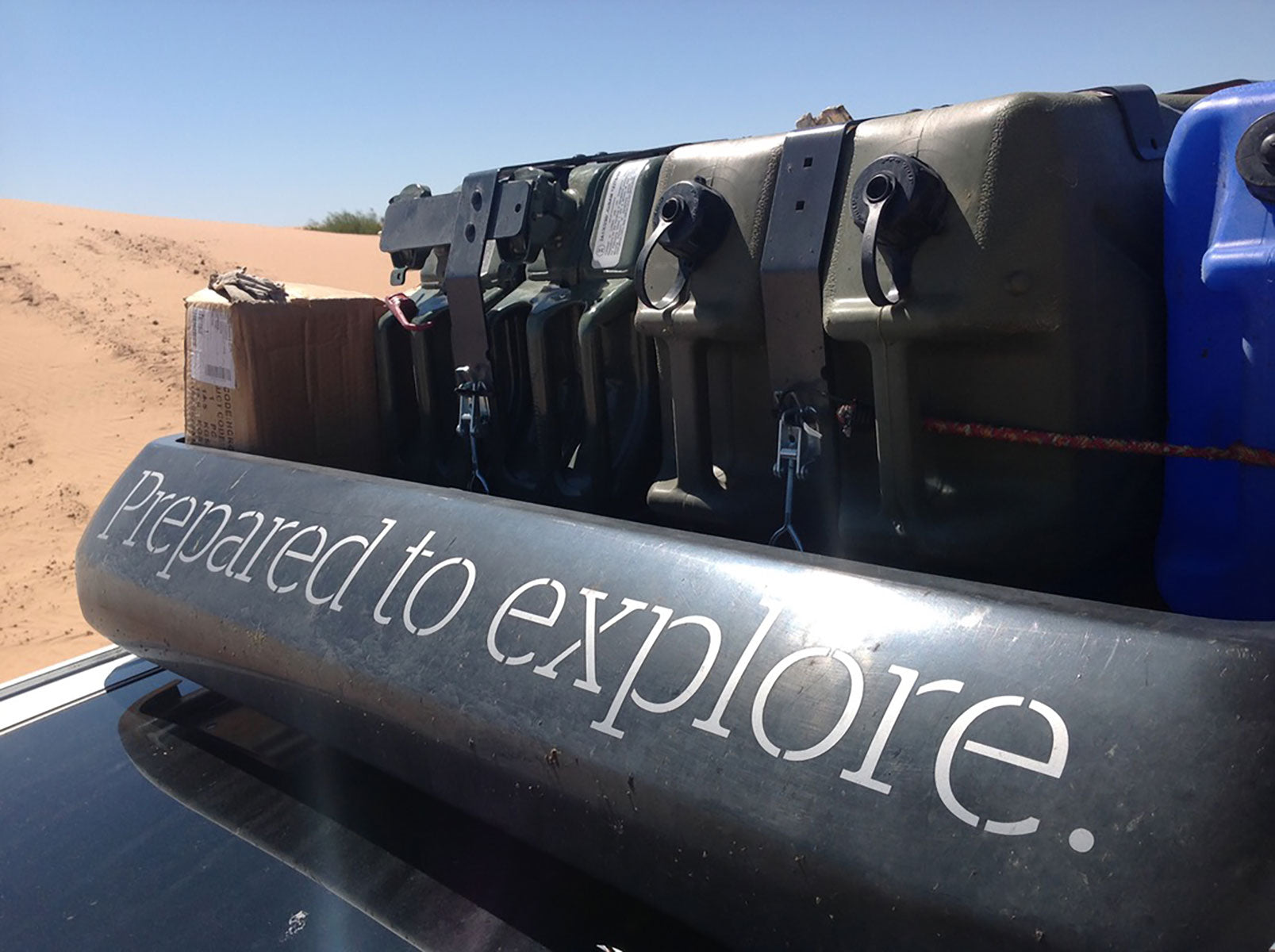
Vehicle setup also plays an important role. Heavy equipment mounted high on roof racks raises the vehicle’s centre of gravity, making it less stable on angles. Spare wheels, fuel, water, rooftop tents and overloaded roof platforms can all contribute. Just because everything fits does not mean it belongs up there.
Before tackling a steep or heavily rutted section, stop in a safe location and inspect it. Consider the vehicle’s wheelbase, clearance, load, approach and departure angles, and whether there is a safer line - or a bypass. Keep movements slow and controlled, and use a spotter when necessary.
If a vehicle does roll, attend to the occupants first and contact emergency services if required. Do not immediately attempt to restart the engine after the vehicle is returned upright. Oil or other fluids may have moved into places they should not be, potentially causing further damage. The vehicle should be recovered safely and inspected by a qualified professional before being driven or restarted.
The lesson: understand your vehicle’s limits, pack heavy equipment as low as possible and never let pride choose the line. There is no prize for completing the hardest route - particularly if your 4WD finishes it lying on its side.
Prefer to learn beyond the page? Hema Tours gives you the opportunity to explore incredible destinations alongside experienced 4WD specialists, building practical skills and confidence in real-world conditions. From choosing the right line to navigating challenging terrain, you can learn from people who know the tracks—without having to discover every lesson through an expensive crunch, clunk or splash.

Preparation Beats a Good Recovery Story
The best off-road lessons are the ones you learn before leaving home. Inspect your vehicle, test your recovery equipment, secure your load and research the track, weather and current access conditions.
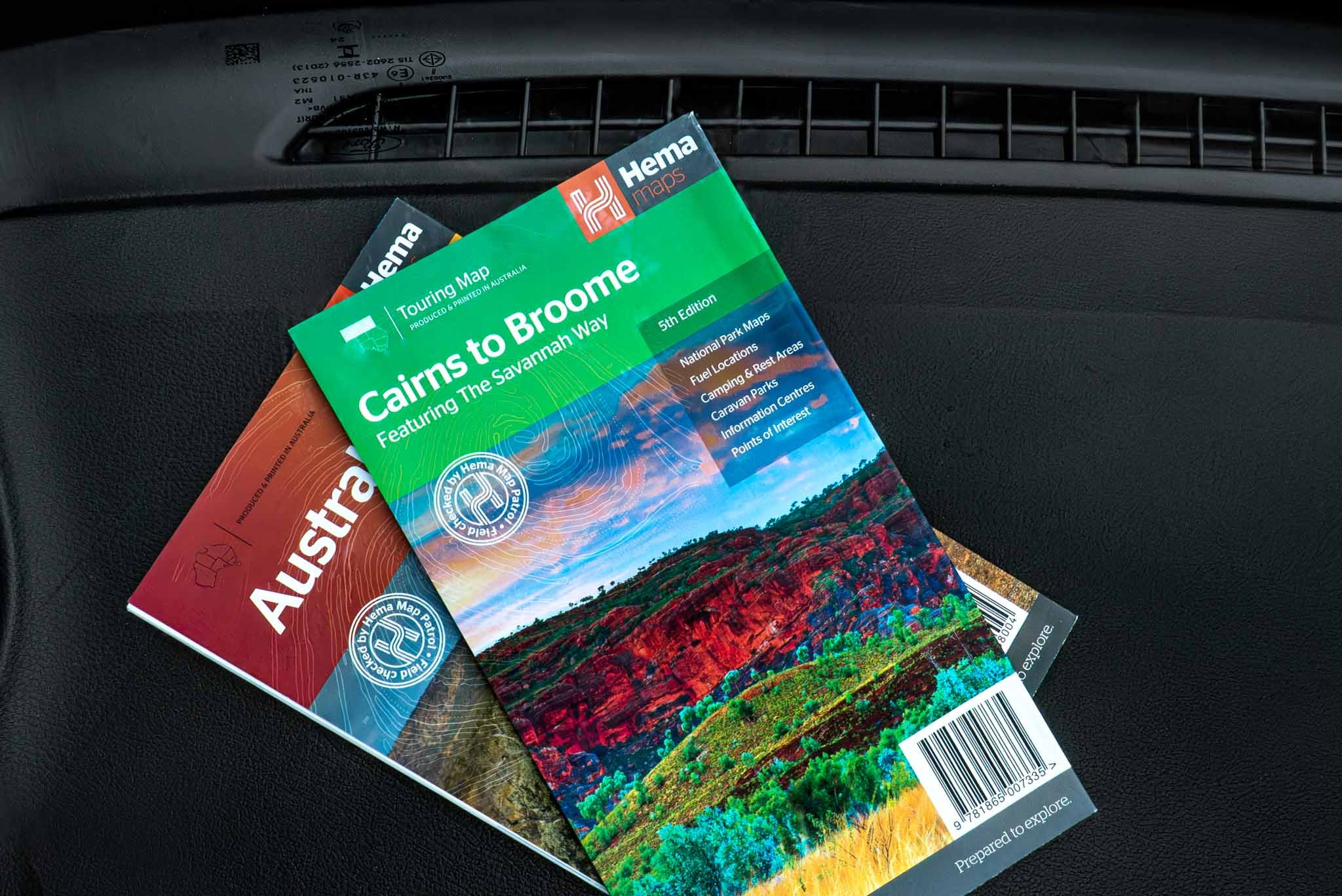
Plan your journey using trusted Hema mapping, carry an offline navigation option and keep a paper map as a reliable backup. Most importantly, be prepared to change the plan when conditions change.
Getting home safely may not make the most dramatic campfire story - but it is considerably better than explaining why your wheel arrived at camp before you did.
The best time to learn a tough 4WD lesson is before you’re stranded on the track. Hema’s Go-To Guides for 4WDs are packed with practical advice on vehicle preparation, off-road driving, trip planning and recovery, helping you build the skills to travel more confidently. Keep one in the glovebox and turn someone else’s hard-earned experience into your own good decision.