
The Kimberley with Kids
Discover the Kimberley with kids in tow using this family travel guide to one of Western Australia’s most spectacular adventure destinations.
Words by Catherine Lawson and David Bristow from Wild Travel Story
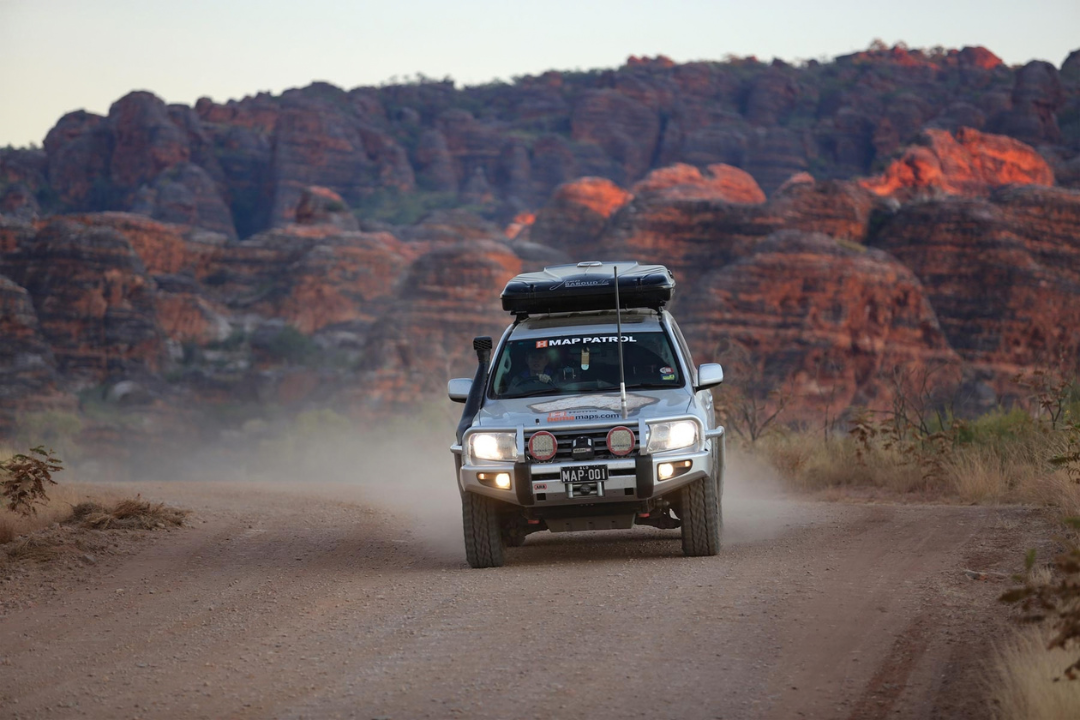
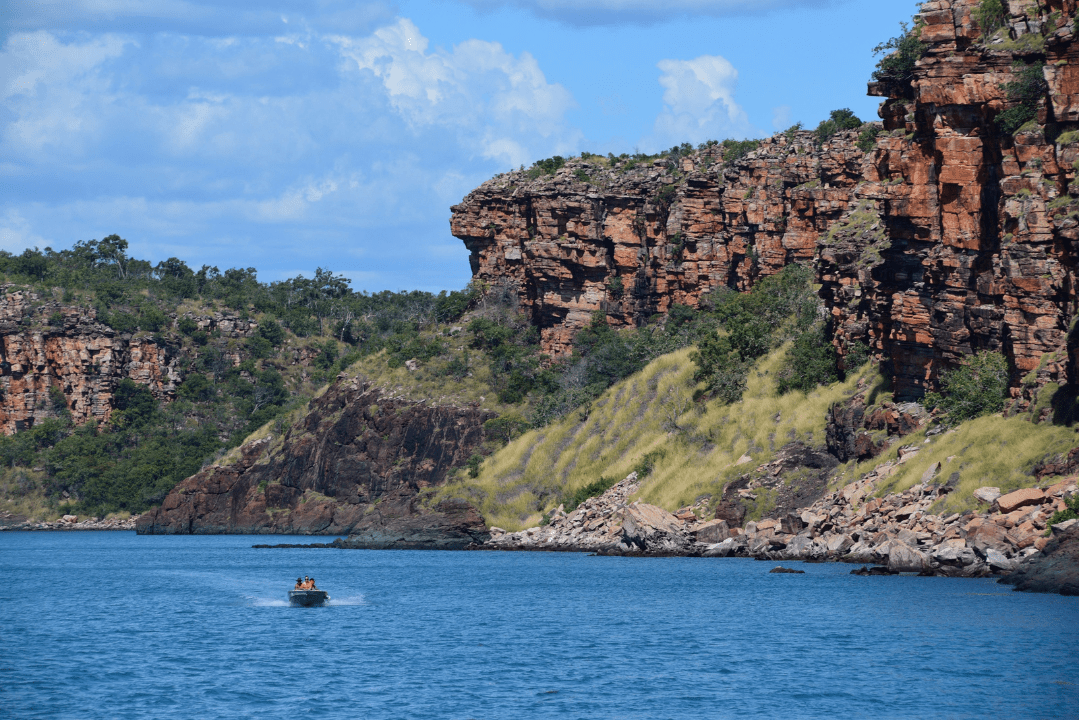
The Kimberley is vast, rugged and wonderfully wild. You’ll cover some serious kilometres exploring its red-rock landscapes, ancient ranges and remote swimming holes, so when you have kids on board, it helps to fill the journey with plenty of memorable stops.
Fortunately, the Kimberley delivers family adventures in spades. Kids can wade through an underground cave, search for freshwater crocodiles, cool off beneath waterfalls, spot ancient rock art and sleep under some of the clearest night skies in Australia.
Travelling here requires preparation, patience and a capable vehicle, but it can also become the family road trip your kids talk about for years to come.

Wet Walk Through Dimalurru (Tunnel Creek)
Arm the family with waterproof torches and sturdy footwear before tackling the remarkable walk through Dimalurru, better known as Tunnel Creek.
The cave extends for around 750 metres through the Napier Range, with visitors wading through shallow pools and clambering over rocks beneath a ceiling of stalactites and flowstone. Kids will love sweeping their torch beams across the cave walls, listening for bats and searching the water for cherabin, the Kimberley’s freshwater prawns.
The darkness makes this walk feel like a genuine expedition, but take your time and keep younger children close, particularly on slippery rocks and in deeper sections of water. Pack a spare torch, waterproof any valuables and wear shoes that can handle both rocks and water.
Dimalurru is also deeply connected to the story of Jandamarra, the Bunuba resistance leader who used the cave as a hideout during his fight against colonial expansion in the 1890s. Families can learn more by following the Jandamarra and Pigeon Heritage Trail or visiting with a Bunuba guide.
From Fitzroy Crossing, travel approximately 115 kilometres northwest to reach Dimalurru.
Spot Freshwater Crocodiles at Bandilngan (Windjana Gorge)

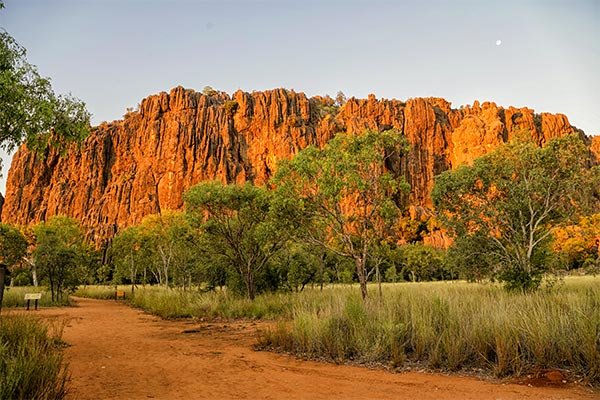
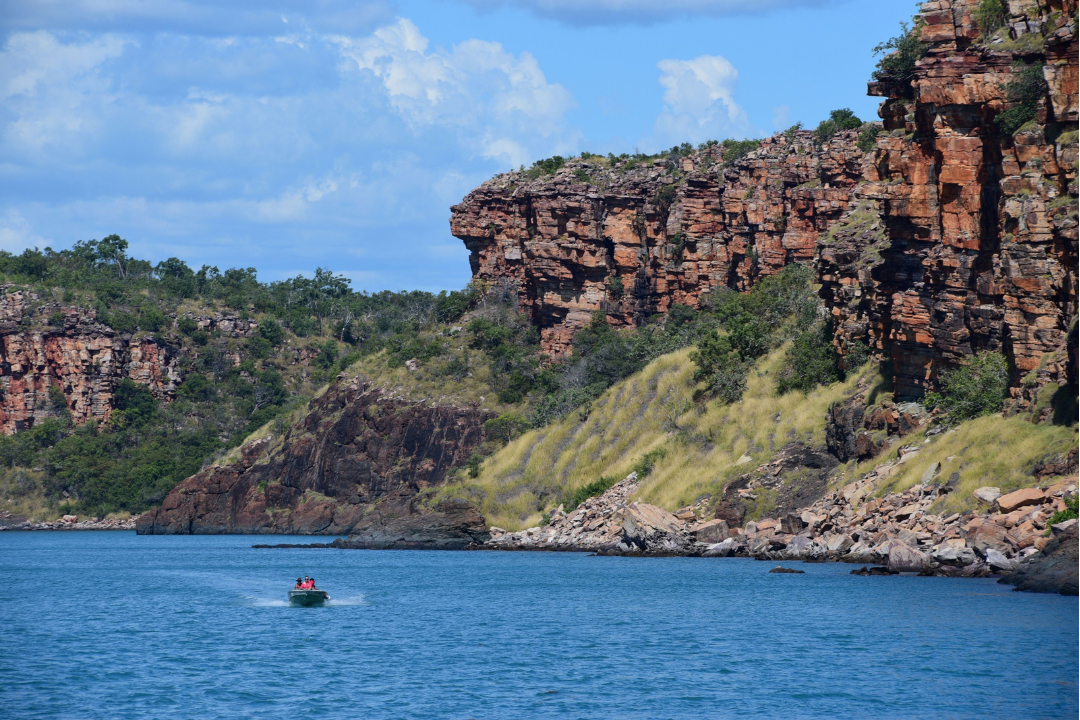
Close to Dimalurru, the towering walls of Bandilngan — or Windjana Gorge — rise dramatically above the Lennard River.
A walking trail follows the sandy riverbed past permanent pools where freshwater crocodiles are often seen basking on the banks. They are generally less aggressive than saltwater crocodiles, but they are still wild animals, so families should keep their distance and never approach or feed them.
Turn the walk into a wildlife-spotting challenge for the kids. Look for corellas, fruit bats, wallabies, waterbirds and jabirus stalking fish beneath rock figs and paperbarks. The gorge’s ancient limestone walls are part of a Devonian reef system formed hundreds of millions of years ago, and sharp-eyed explorers may even spot fossils embedded in the rock.
The campground at Bandilngan makes a convenient family base, with toilets and showers providing welcome comforts after a dusty day on the road. Check current park conditions, bookings and fees before travelling.
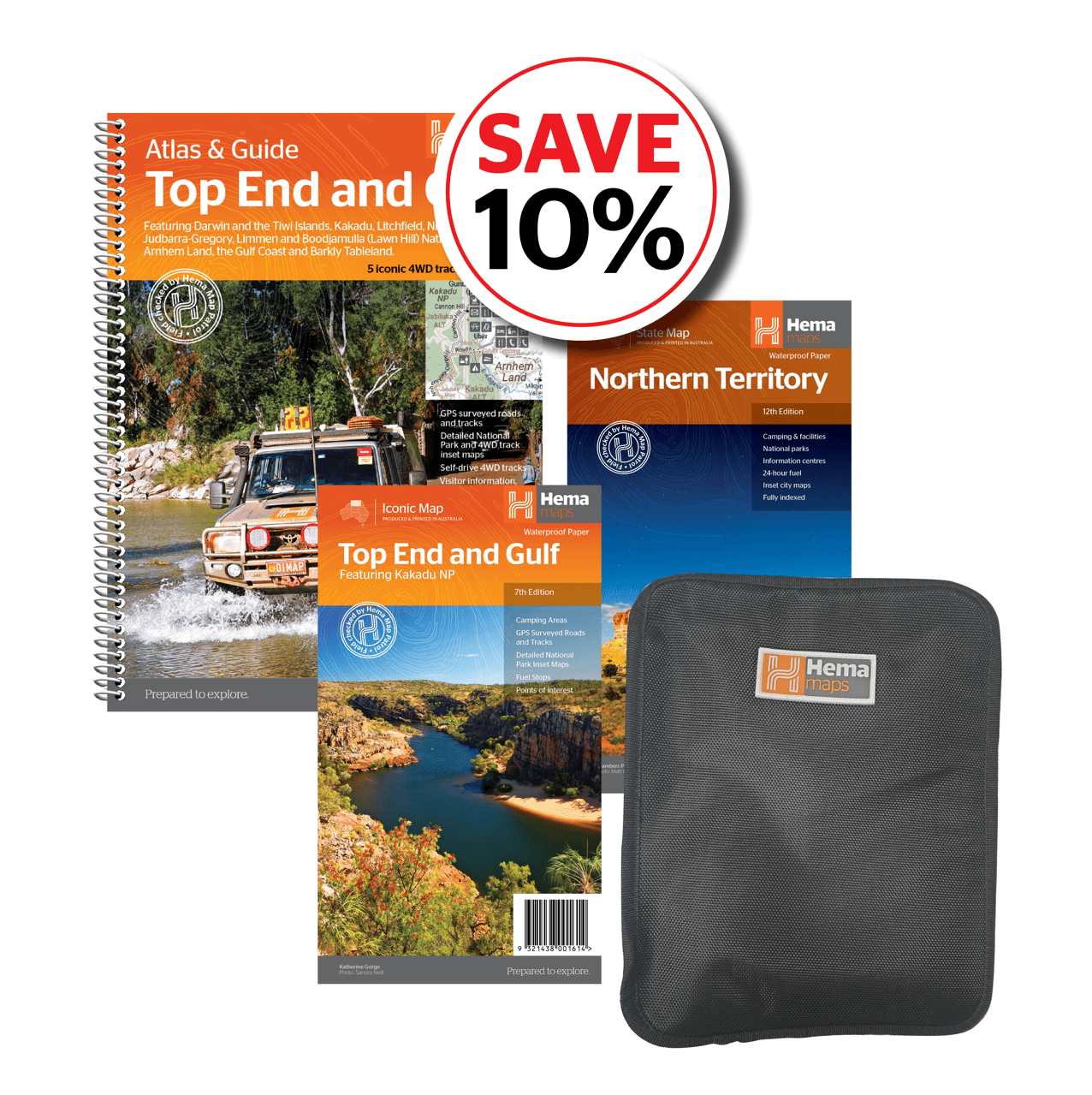
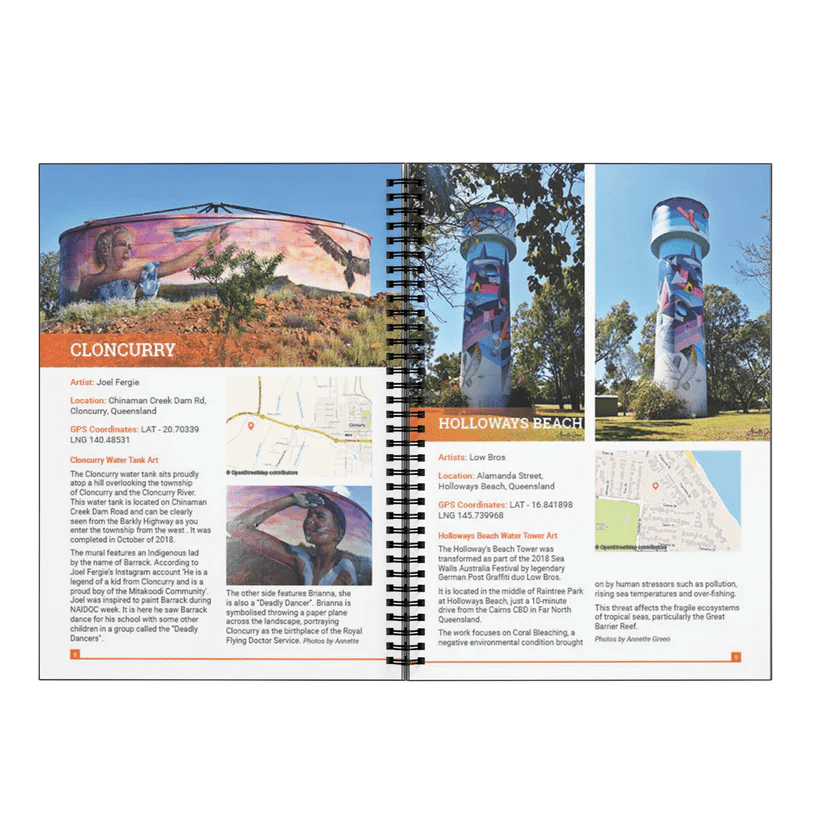
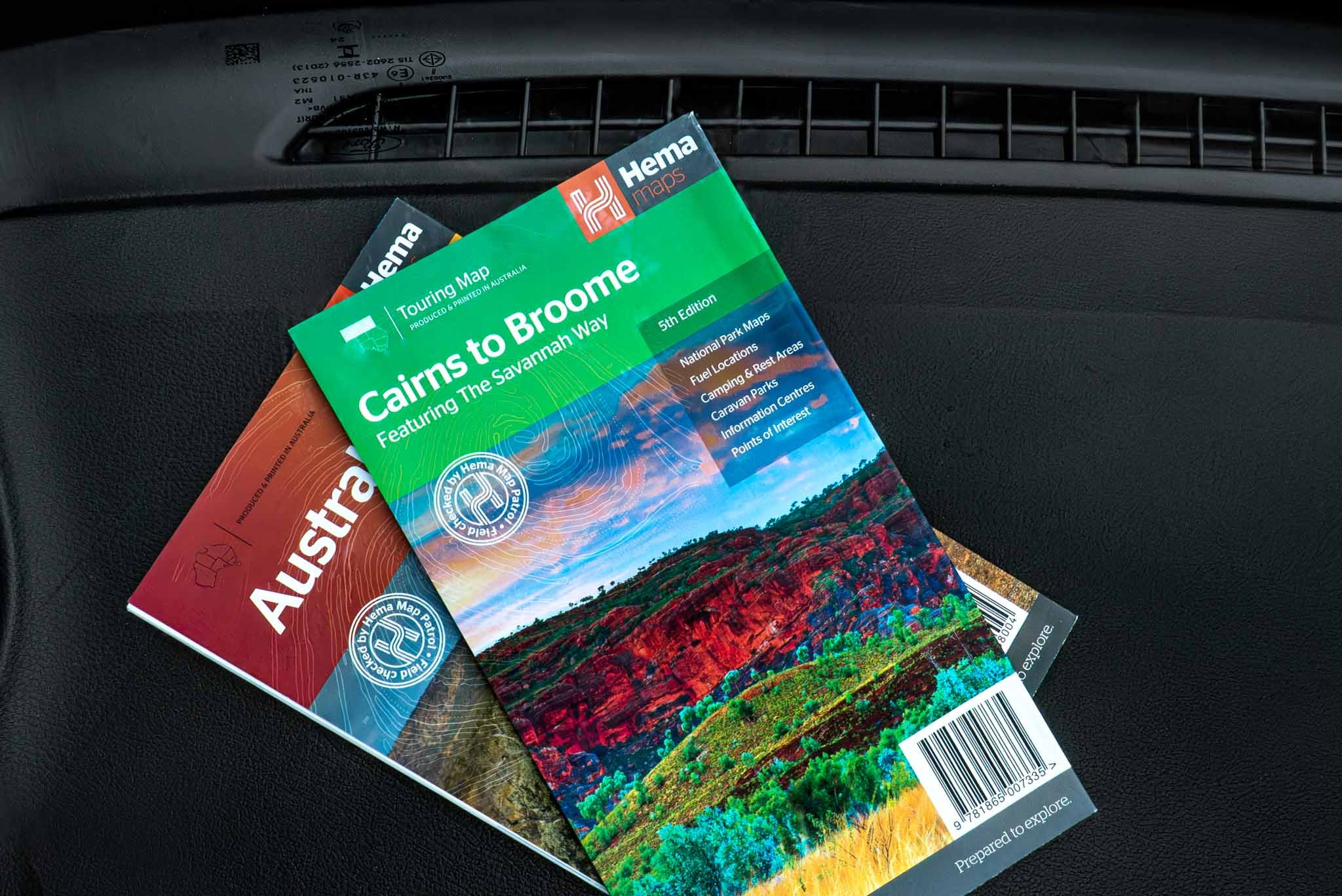
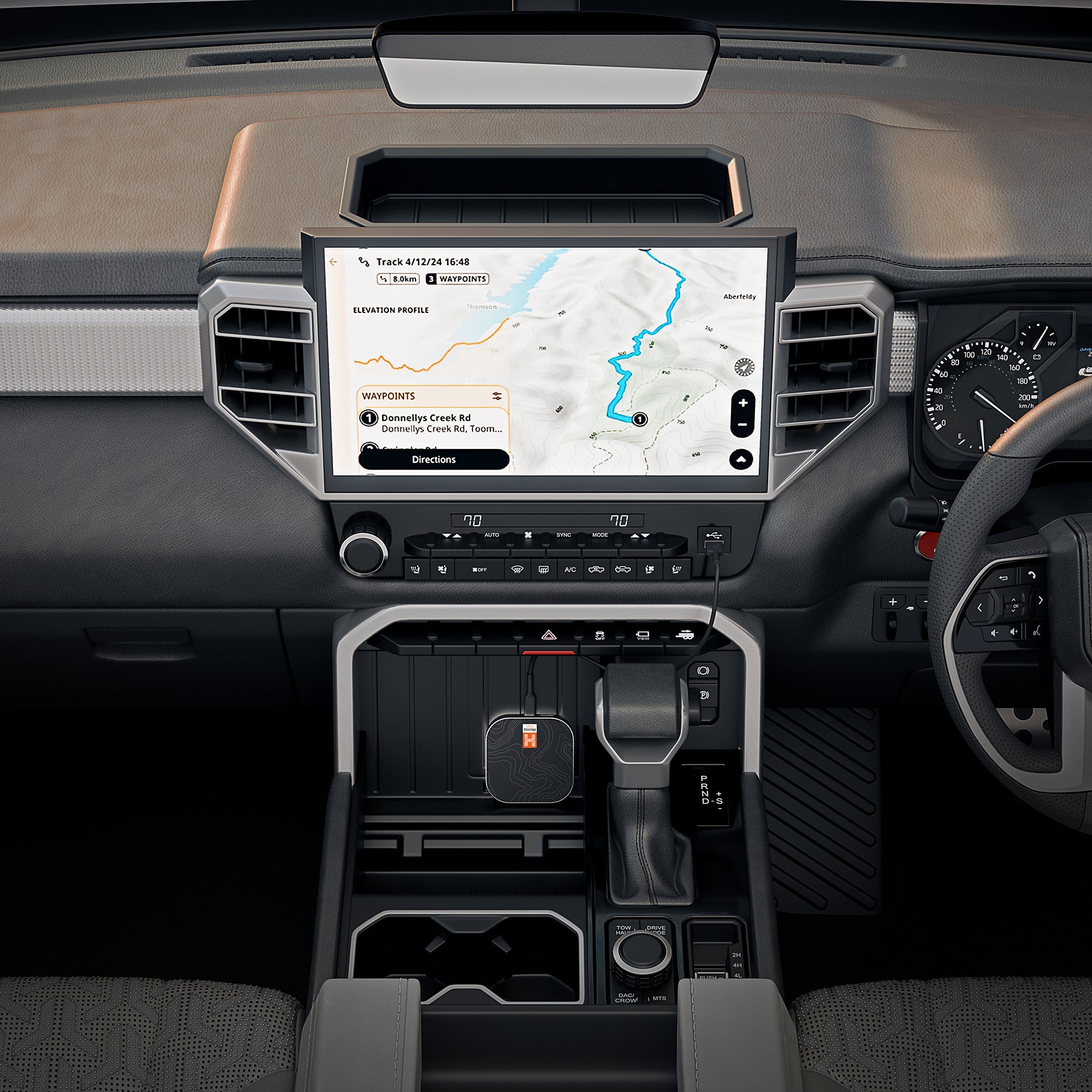
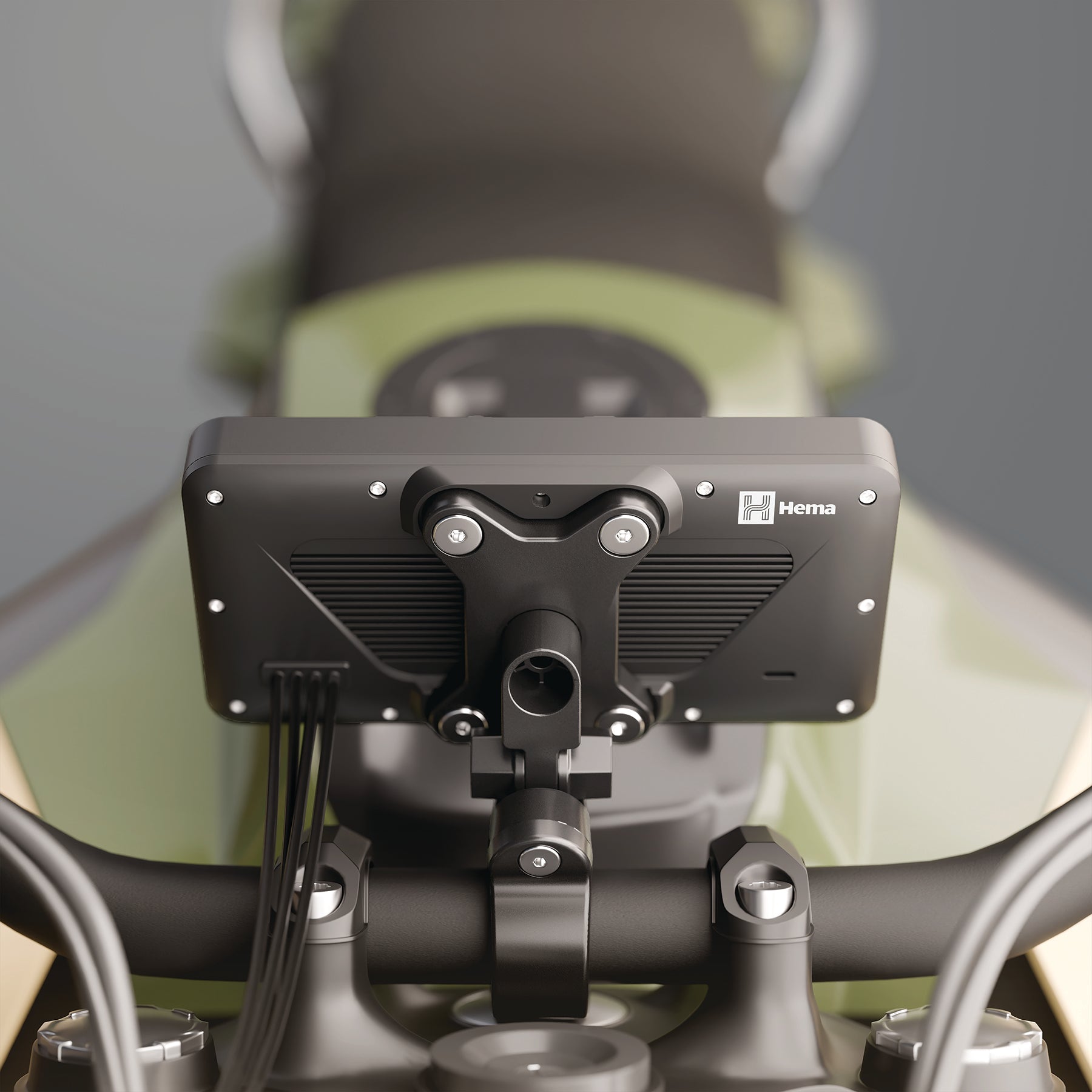
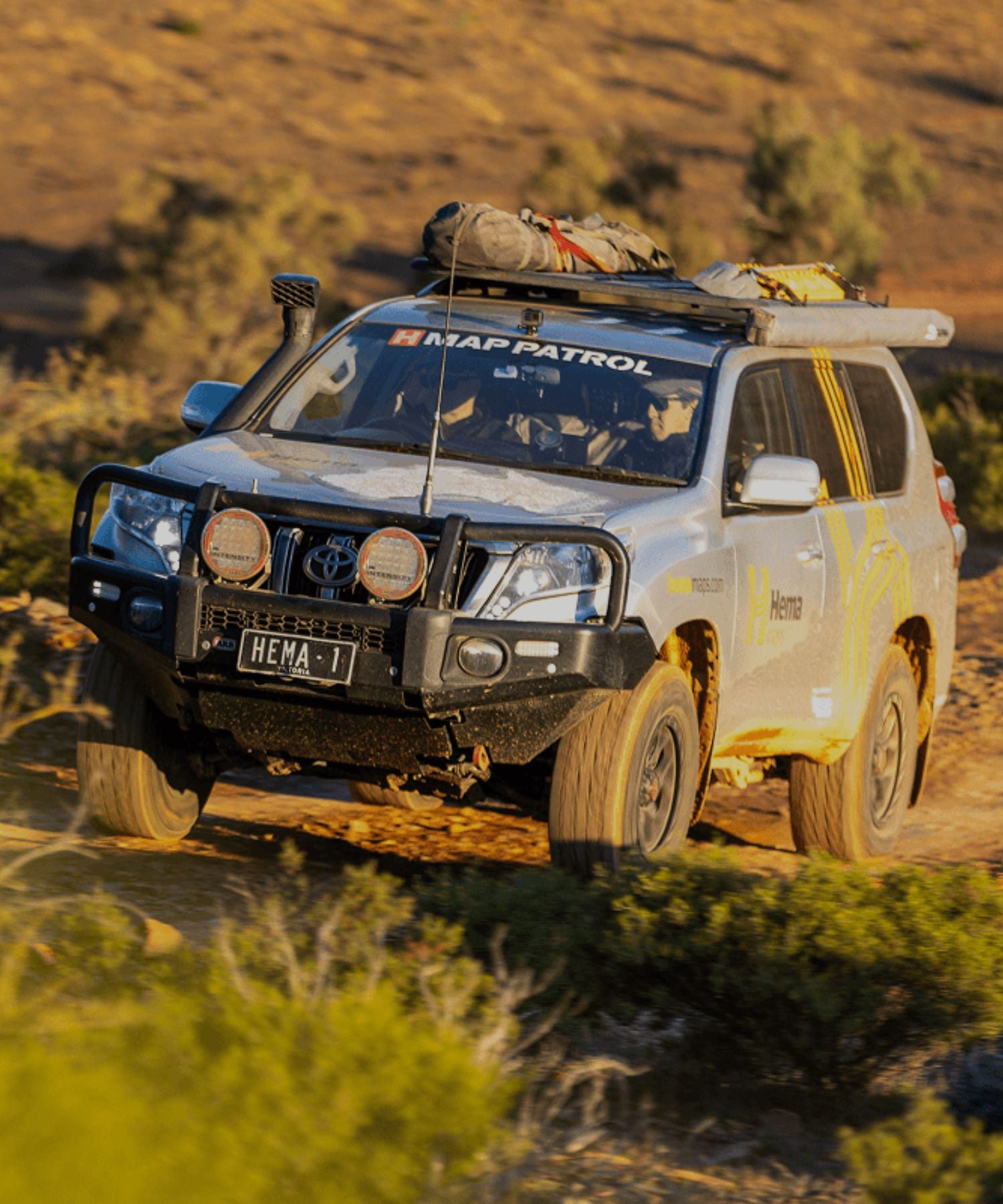
Make family adventures easier to plan with the Hema Maps. Featuring detailed maps, suggested routes, attractions, campsites and practical touring information, it’s an essential companion for exploring this vast region - especially when mobile reception disappears. Keep it in the vehicle and discover more of the Kimberley with confidence.


Make a Splash at Dalmanyi (Bell Gorge)
Surrounded by rugged ranges and layers of red and pink rock, Dalmanyi - commonly known as Bell Gorge - is one of the Kimberley’s most impressive natural attractions.
The walk begins near Silent Grove and leads through a rocky landscape to the top of the waterfall. Reaching the main swimming area requires negotiating uneven ground and a steep descent, so families should allow plenty of time and supervise younger children closely.
The reward is a magnificent waterfall cascading into a deep pool framed by sculpted rock. Find a safe place to leave your gear, enjoy a picnic and cool off in the water where conditions permit.
Swimming conditions can change throughout the season. Always obey warning signs, seek local advice and assess the water carefully before allowing children to enter. Never dive or jump from unfamiliar rocks, even when the pool appears deep.
Nearby Silent Grove campground offers a convenient place to stay, with toilets, showers and drinking water. It is a popular stop, so booking ahead is recommended during the main touring season.
Enjoy an Easy Family Stop at Galvans Gorge
Galvans Gorge is one of the easiest waterfalls to reach from the Gibb River Road, making it a particularly appealing stop for families.
A relatively short walk leads to a picturesque horseshoe-shaped pool surrounded by rock walls, trees and pandanus. Kids can search for water monitors, wallabies and birdlife, while adults enjoy the chance to stretch their legs after another corrugated section of road.
There is also Indigenous rock art near the waterhole. Remind children that rock art is culturally significant and must never be touched, climbed over or marked.
Visit early in the day for cooler walking conditions and a quieter experience. As with every Kimberley waterhole, check signs and current local advice before swimming, supervise children constantly and avoid jumping from the surrounding rocks.
Galvans Gorge is signposted off the Gibb River Road near Mount Barnett Roadhouse.
Camp Beneath the Stars at Munurru
The journey towards Punamii-Uunpuu, or Mitchell Falls, is a remote adventure in itself. Munurru, formerly known as the King Edward River area, provides a memorable place for families to break up the drive.
Spacious bush campsites offer room to settle in, enjoy a camp meal and watch flocks of corellas fly overhead. As darkness falls, the lack of city light turns the night sky into the evening’s entertainment. Ask the kids to find the Southern Cross, watch for satellites or see who can spot the first shooting star.
The area is also renowned for its extraordinary cultural heritage. Nearby rock art sites provide a glimpse into one of the world’s oldest continuing cultures. Families should approach these places quietly and respectfully, remain on marked paths and never touch the artwork.
Carry plenty of drinking water and supplies, and check current road, campground and access conditions before setting out. Only swim where authorities advise that it is permitted and safe.
Capture the Family Adventure Responsibly
The Kimberley is incredibly photogenic, and documenting the trip can become a fun family project. Give the kids a camera or phone and set daily challenges: photograph a boab tree, capture three different bird species or record a short video diary about the day’s favourite experience.
A drone can provide spectacular footage, but it needs to be used carefully. Before launching, check CASA requirements and any additional rules for the park or property you are visiting. Keep well away from people and wildlife, maintain visual contact with the aircraft and never allow filming to distract the driver during a river crossing.
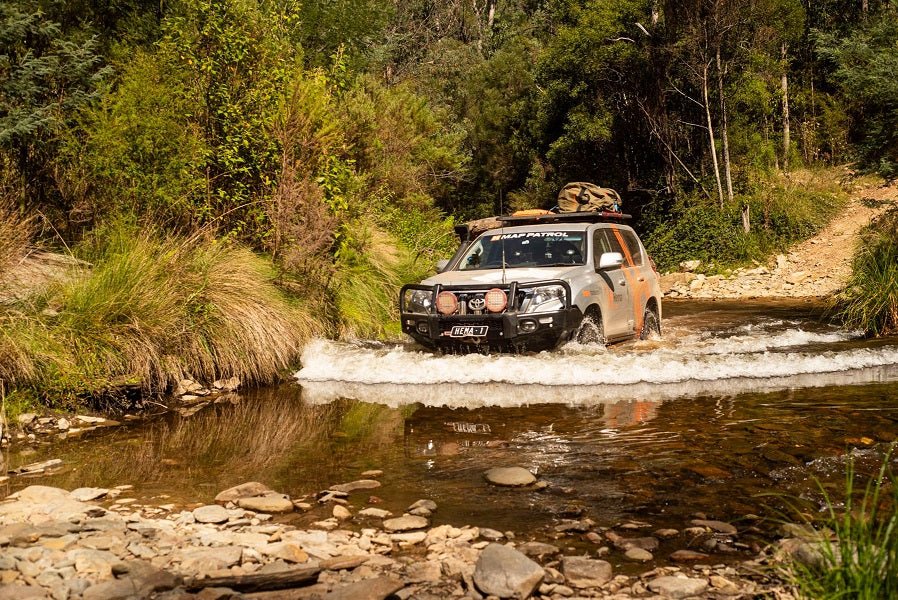
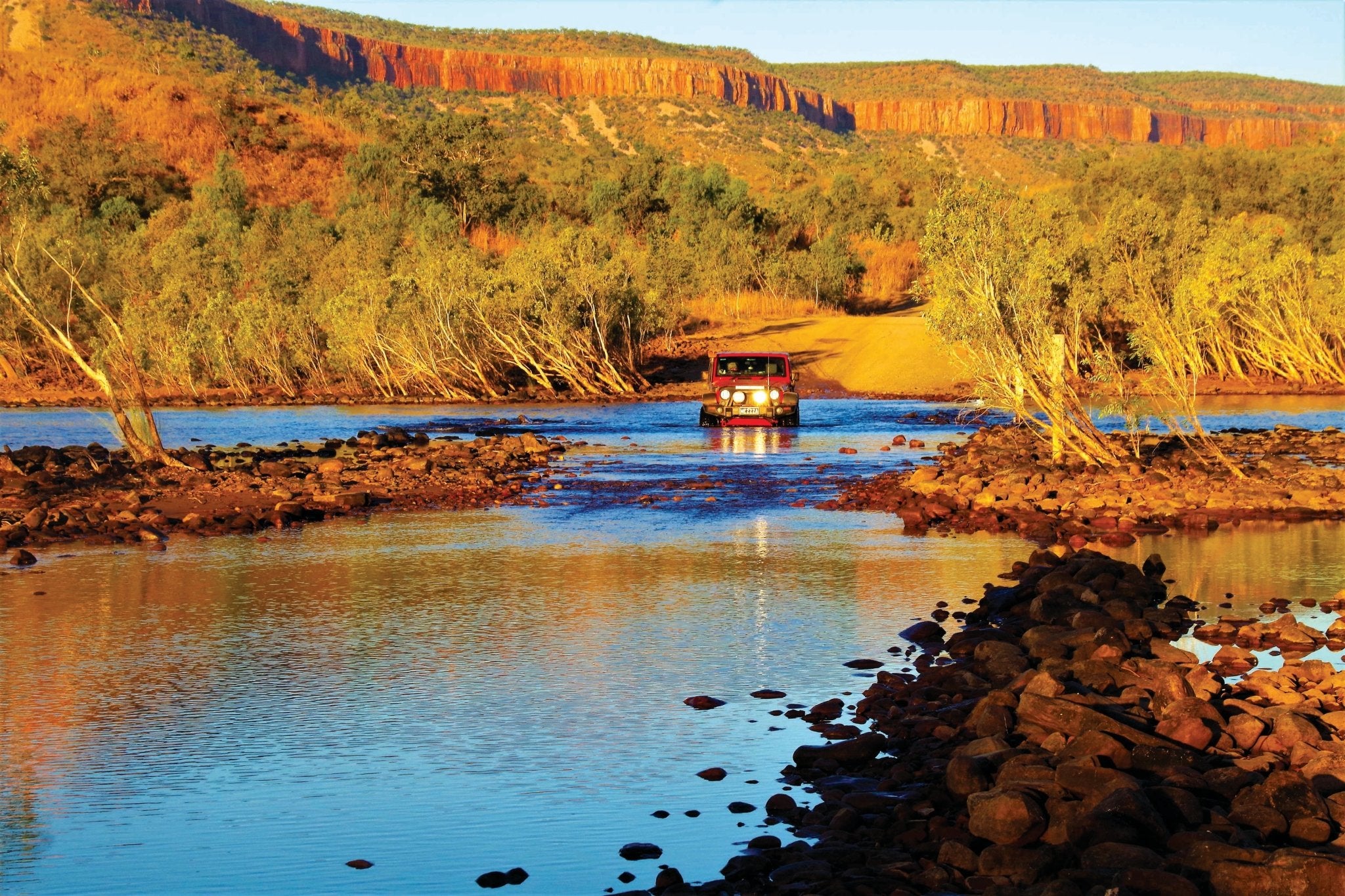
The Pentecost River crossing is one of the Gibb River Road’s most famous sights, but conditions vary considerably. Check the depth and current, speak with other travellers and never attempt the crossing simply to capture an impressive photograph or video. Saltwater crocodiles inhabit the region, so everyone should remain inside the vehicle and well back from the water’s edge.
Give the Kids Their Own Kimberley Challenge
Long distances are part of any Kimberley road trip, but they don’t have to mean endless cries of “Are we there yet?”
Create a Kimberley activity sheet before leaving home, with things for the kids to tick off along the way. Include a boab tree, a freshwater crocodile, a road train, a wedge-tailed eagle, a waterfall, Indigenous rock art and a red-dirt river crossing.
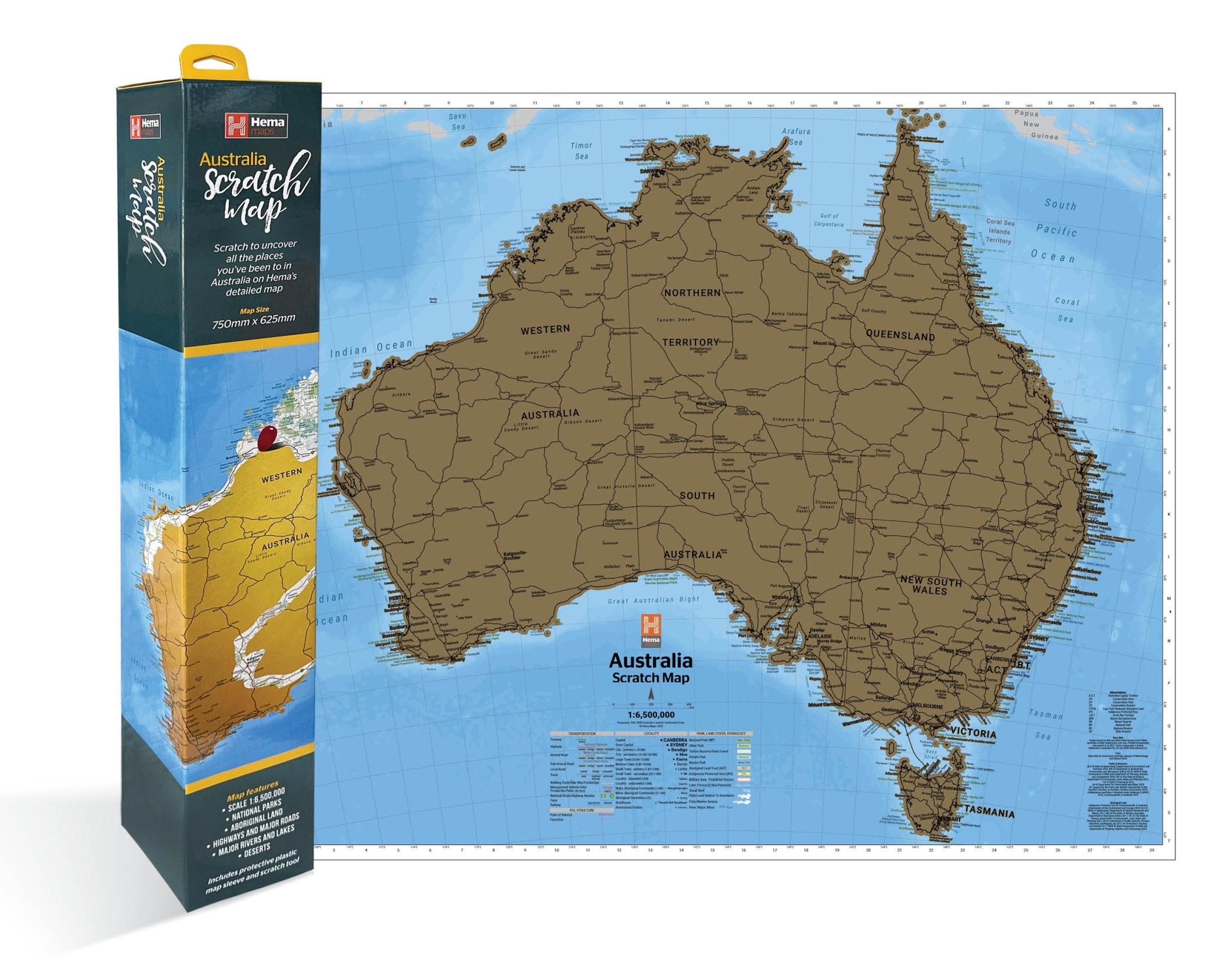
Older children can help follow the journey on a paper map, calculate the distance to the next stop or keep a family travel journal. Younger travellers might collect drawings, postcards and campground stamps to create a scrapbook when they return home.
These activities help children understand how far they are travelling and encourage them to engage with the landscapes, wildlife and stories around them.

Splurge on Family Fun at El Questro
If you begin your Kimberley adventure in Broome, El Questro makes a memorable final stop before the bitumen carries you towards Kununurra.
There is plenty for active families to explore. Walk to Emma Gorge for a swim beneath the waterfall, visit Zebedee Springs during public access hours or tackle one of the property’s scenic gorge walks. Choose trails suited to your children’s ages and abilities, carry plenty of water and start early to avoid the hottest part of the day.
Families can also choose from boat cruises, guided tours, fishing experiences and scenic helicopter flights. After days of corrugations and bush camps, a meal at the resort or a night in more comfortable accommodation can feel like a genuine luxury.
Activities, access arrangements and seasonal opening dates can change, so check the latest details and book popular experiences before arriving.
Plan Ahead for a Safe Family Adventure
The Kimberley rewards adventurous families, but its remoteness should never be underestimated. Road conditions, river levels and park access can change quickly, particularly early in the dry season.
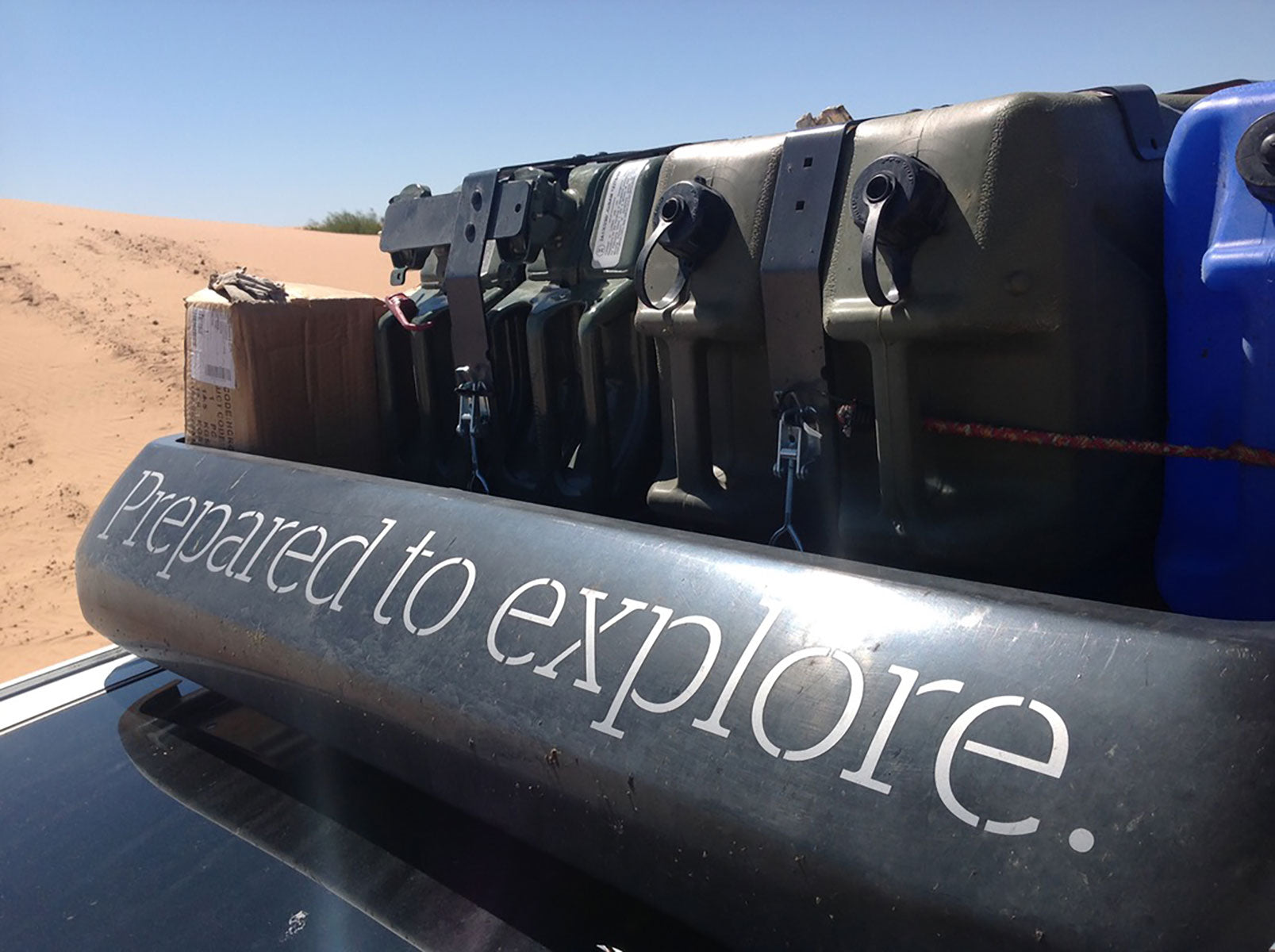
Carry more food, drinking water and fuel than you expect to need, along with a well-stocked first-aid kit, sun protection and reliable communications. Make sure your vehicle and tyres are suitable for the journey, and let someone know your planned route.
Above all, treat every Kimberley waterway as crocodile habitat unless current local advice confirms otherwise. Follow warning signs, ask rangers or local operators before swimming and keep children away from unapproved water edges.
With careful planning and a flexible itinerary, exploring the Kimberley with kids is more than possible. It is an opportunity to swap screens for waterfalls, classrooms for ancient landscapes and everyday routines for a family adventure that will be remembered long after the red dust has been washed away.
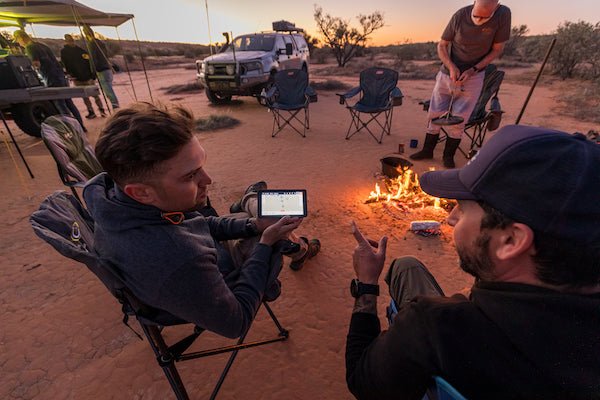
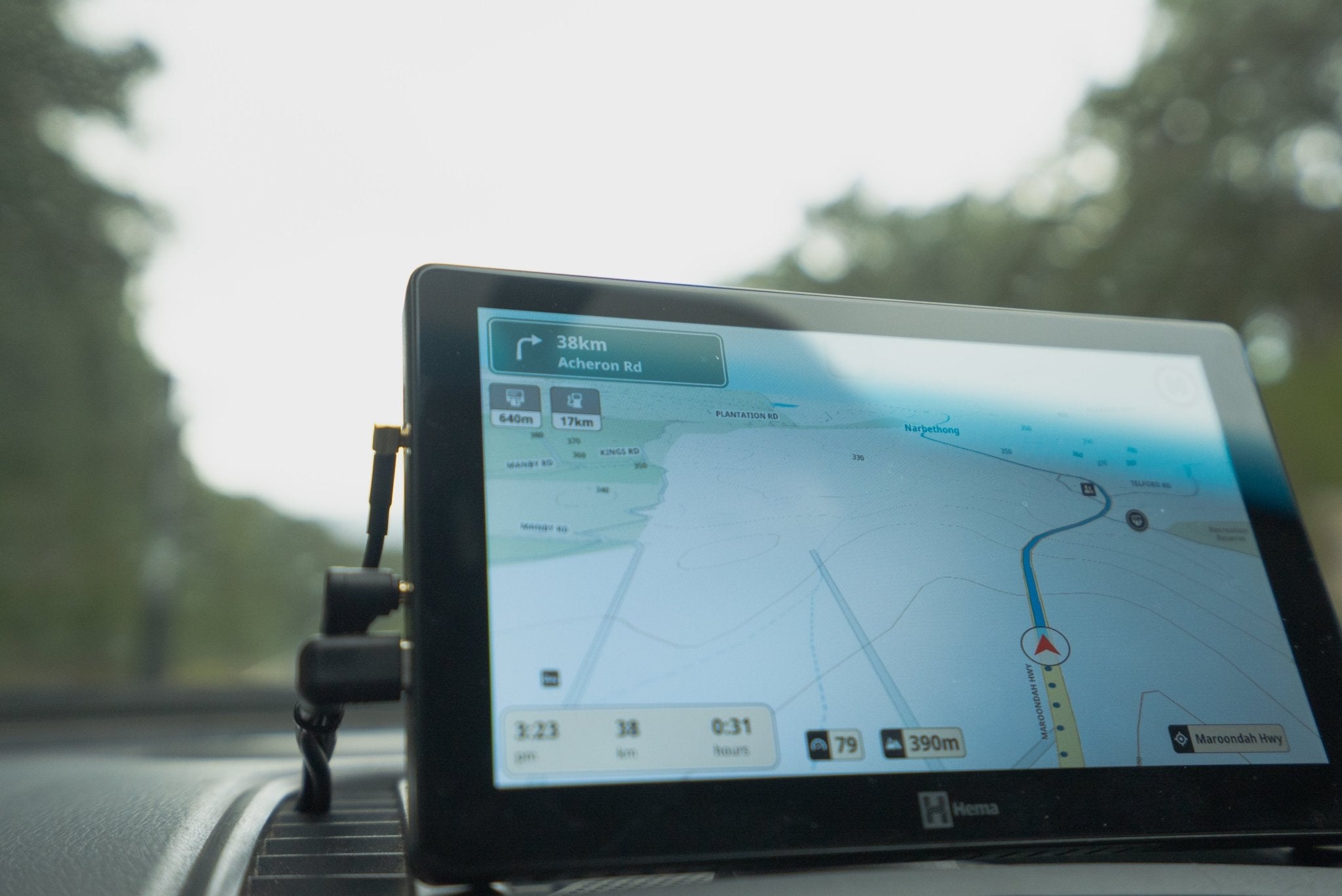
When long distances, remote tracks and patchy mobile reception are part of the adventure, a Hema Maps digital navigator can help keep your family journey on course. With detailed mapping, reliable offline navigation and useful points of interest - including campsites, fuel stops and essential services - you can explore the Kimberley with greater confidence from start to finish.