
Words Amelia Mansell, Julija Zivanovic and Robert Crack, pics Supplied
Planning a Big Lap of Australia
A Big Lap of Australia sits high on almost every traveller’s wish list. Following the coastline as it curls and stretches. Turning inland for red dirt, deep gorges and towns that time seems to have left behind. Watching seasons change as the kilometres quietly tick away beneath your tyres. It’s one of the richest, most immersive ways to experience this country — but it’s not a journey you want to stumble into unprepared.

(Credit: Matt Williams)
Planning a trip around the sixth-largest country on Earth (and larger even than the contiguous United States) takes more than loading the rig and waving goodbye to the neighbours. Distances are vast. Conditions can be unforgiving. And the rewards are directly proportional to the effort you put in before you leave.
Timing matters.
Preparation matters.
Here’s what’s worth thinking through before you set off on what may well be the biggest road trip of your life.

How long does a Big Lap really take?
It’s a fair question — and one that deserves a proper answer.
The short version?
There’s no official timeframe for a Big Lap.
How long it takes depends entirely on how much time you have, how often you want to stop, how far you plan to stray from Highway 1 and how many of Australia’s iconic 4WD routes you want to tackle along the way.
Driving Highway 1 in a continuous loop covers around 14,500 kilometres. But very few Big Lappers stick rigidly to the highway. Once you factor in detours to places such as Darwin, the Red Centre, Cape York, inland ranges and coastal side trips, most travellers will clock 18,000 kilometres or more by the time they roll back into their own driveway.
As a broad guide, these timeframes tend to ring true:
-
6–8 weeks: A rapid lap. Plenty of driving, limited exploring and little room for spontaneity.
-
3 months: The absolute minimum if you want to stop and see major highlights without feeling constantly rushed.
-
4–6 months: Enough time to experience the journey properly and linger in a few key regions.
-
6–12 months: The sweet spot for most Big Lappers. Flexible, immersive and far less stressful.
-
12 months+: Slow travel, seasonal freedom and the chance to truly get under the skin of the country.
You can do it faster. Plenty of people have.
But once you dip below three months, the trip becomes more about kilometres than experiences — and that misses the whole point.
If time is tight, there’s no shame in a half-lap or quarter-lap. They deliver plenty of magic and often plant the seed for a full lap later on.
When is the best time to go?
This is where planning really earns its keep.
Australia’s climate shifts dramatically as you move north, south and inland. Get the timing wrong and you could be dealing with flooded roads, oppressive heat, closed tracks or weeks of rain.

Flood warning sign, Cape York Peninsula (Credit: Matt Williams)
There’s long-standing debate about whether it’s better to travel clockwise or anticlockwise. Some favour an anticlockwise lap to take advantage of prevailing tailwinds across places such as the Nullarbor. Others prefer clockwise travel to avoid peak Big Lap traffic moving the opposite way.
There’s no universal right answer.
It comes down to where you start, when you start and how long you’ve got.
For trips under a year, June through to February works well for most travellers.
You’ll often hear that northern Australia has just two seasons — the Wet and the Dry. While that framework is useful for general planning, it’s a simplification.
Many First Nations groups recognise far more nuanced seasonal cycles. These calendars are shaped not just by rainfall, but by winds, temperatures, animal behaviour, movements and migrations, plant cycles and cultural practices.
The Jawoyn seasonal calendar around Katherine and Nitmiluk recognises six seasons. So does the Yawuru calendar around Broome, marked by events such as turtle migrations and the arrival of monsoonal weather. The Nyoongar people of southwest WA also recognise six distinct seasons, as do the Jardwadjali and Djapwurrong language groups of Gariwerd (the Grampians) in Victoria, thousands of kilometres away from northern Australia. At Hema Maps, travelling and mapping has never been just about lines on paper.
Since 1983, our work has been grounded in field exploration, technical accuracy and a deep respect for the landscapes we traverse — all of which exist on Country with histories stretching back tens of thousands of years. Maps, when done properly, can do more than guide. They can educate, contextualise and deepen understanding.
As you plan your Big Lap, we encourage you to look beyond simple Wet and Dry labels and learn about the seasonal knowledge of Traditional Owners along your route.
Practically speaking, the Top End and Gulf Savannah are best tackled June to September, when roads are open and humidity is manageable. That then leaves southern states and coastlines for spring and summer, with Tasmania best saved for mid-summer, when conditions are at their best.

Top End sunset (Credit: Robert Crack)
If you’ve got a full year or more, you can slow things right down and let weather, crowds and energy levels dictate the pace.
Preparing yourself — and your rig
Yes. A Big Lap is spectacular. No argument there!
But it can also be unforgiving.
Extreme heat, long distances, corrugations, isolation and variable road conditions place serious strain on both vehicle and driver. Being properly prepared isn’t optional — it’s essential.
Personal essentials
Start with what keeps you healthy and safe:
-
Insect repellent, sunscreen, fly and mozzie nets
-
A comprehensive first-aid kit, including snake-bite treatment
-
Personal medications
-
Fire extinguishers and waterproof matches
-
Emergency blankets and signalling items
-
Multiple days’ drinking water and non-perishable food
-
Water purification options
These aren’t ‘nice to haves'. They’re the baseline.
Vehicle readiness
Your vehicle — and anything you’re towing — must be mechanically sound before you leave home. A full service is non-negotiable, including fluids, belts, hoses and brakes. Address issues early. Fixing problems in your driveway is far easier (and cheaper) than doing it halfway across the Nullarbor.
Tyres deserve special attention. They’re your only contact with the ground.
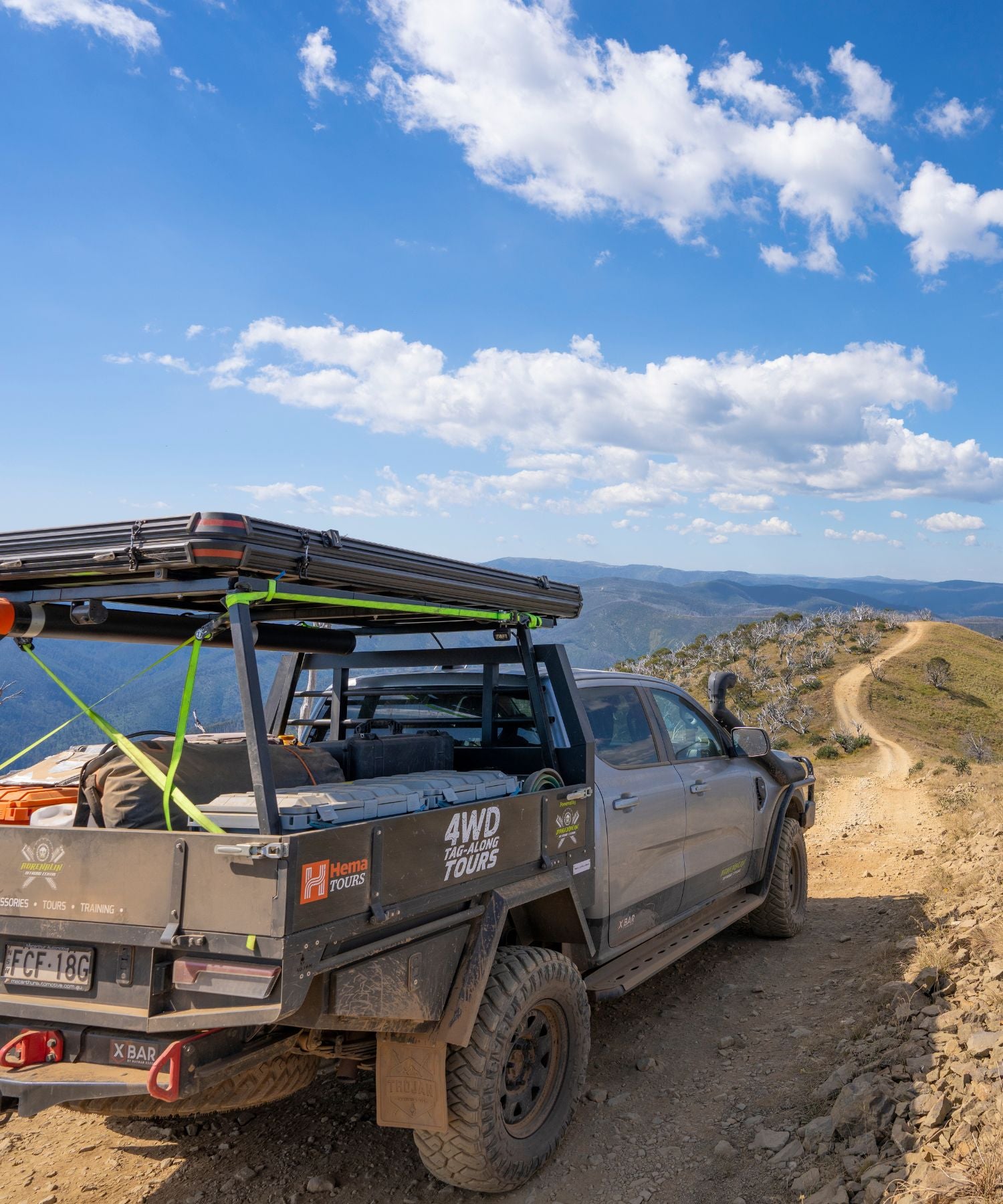
Strong all-terrain or light-truck tyres are essential, along with at least one full-size spare — and ideally two if you’re heading into truly remote parts of Australia. Steel wheels remain popular in the outback thanks to their durability and repairability.

(Credit: Matt Williams)
Know how to change and repair a tyre before you leave. Check pressures and wheel nuts regularly. Carry extra fuel and water whenever you leave sealed roads.

(Credit: Matt Williams)
Quality suspension transforms long-distance travel. Good aftermarket systems improve ride comfort, load handling and vehicle control while reducing mechanical stress. If you’re heavily loaded or towing, airbags or helper systems can keep everything level and predictable.
Recovery, protection and load management
Recovery gear moves quickly from ‘just in case’ to ‘essential’ on a Big Lap.
At a minimum, carry:
-
Traction boards
-
Snatch straps or kinetic ropes
-
Shackles and gloves
-
Shovel
-
Tyre repair kit, pressure gauge and air compressor
-
Spare wheel nuts and basic tools
-
Basic spare parts
Solo Big Lappers should always carry their own recovery gear rather than relying on passing traffic.
And for any Big Lapper planning to tackle desert tracks, a sand flag is mandatory.
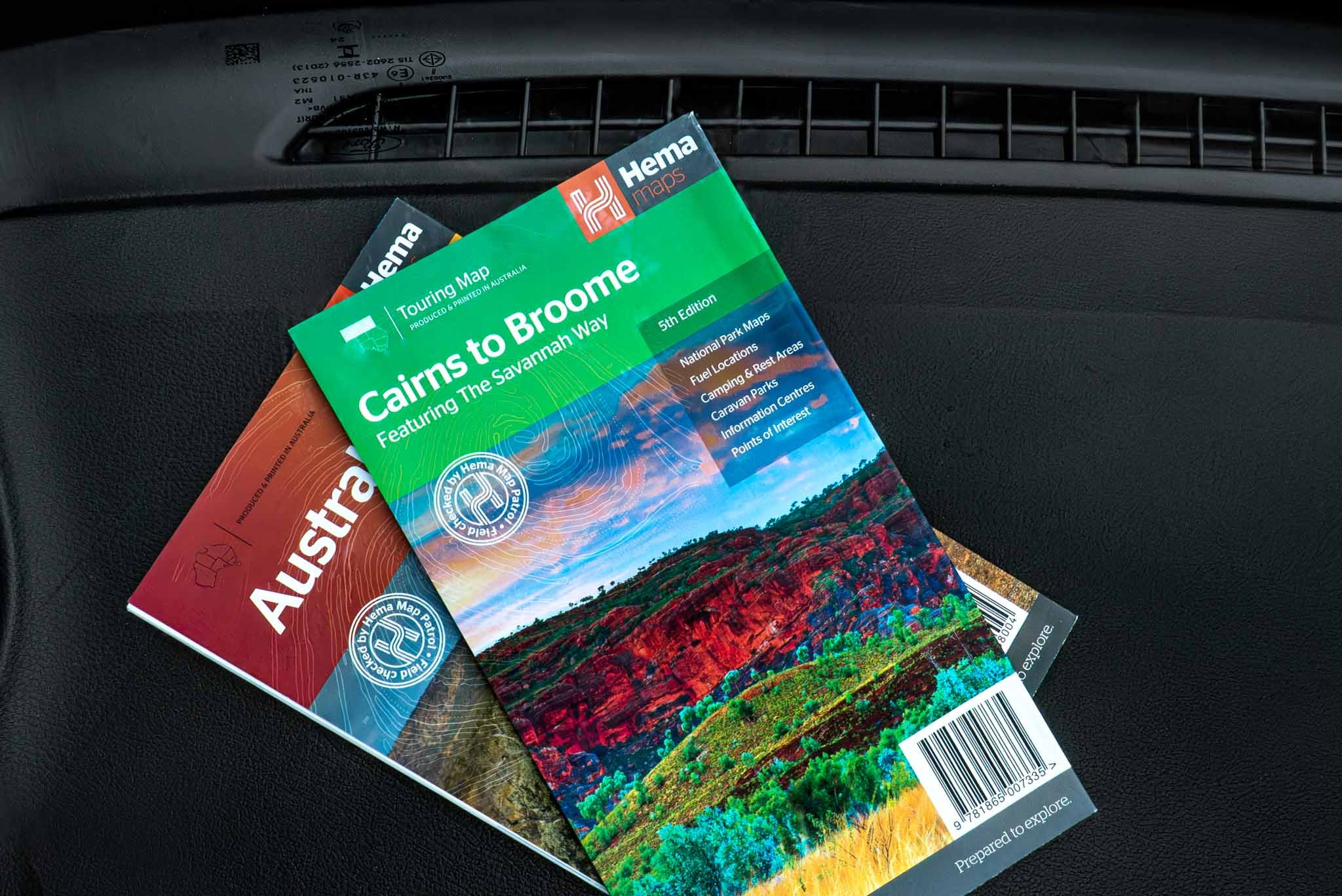
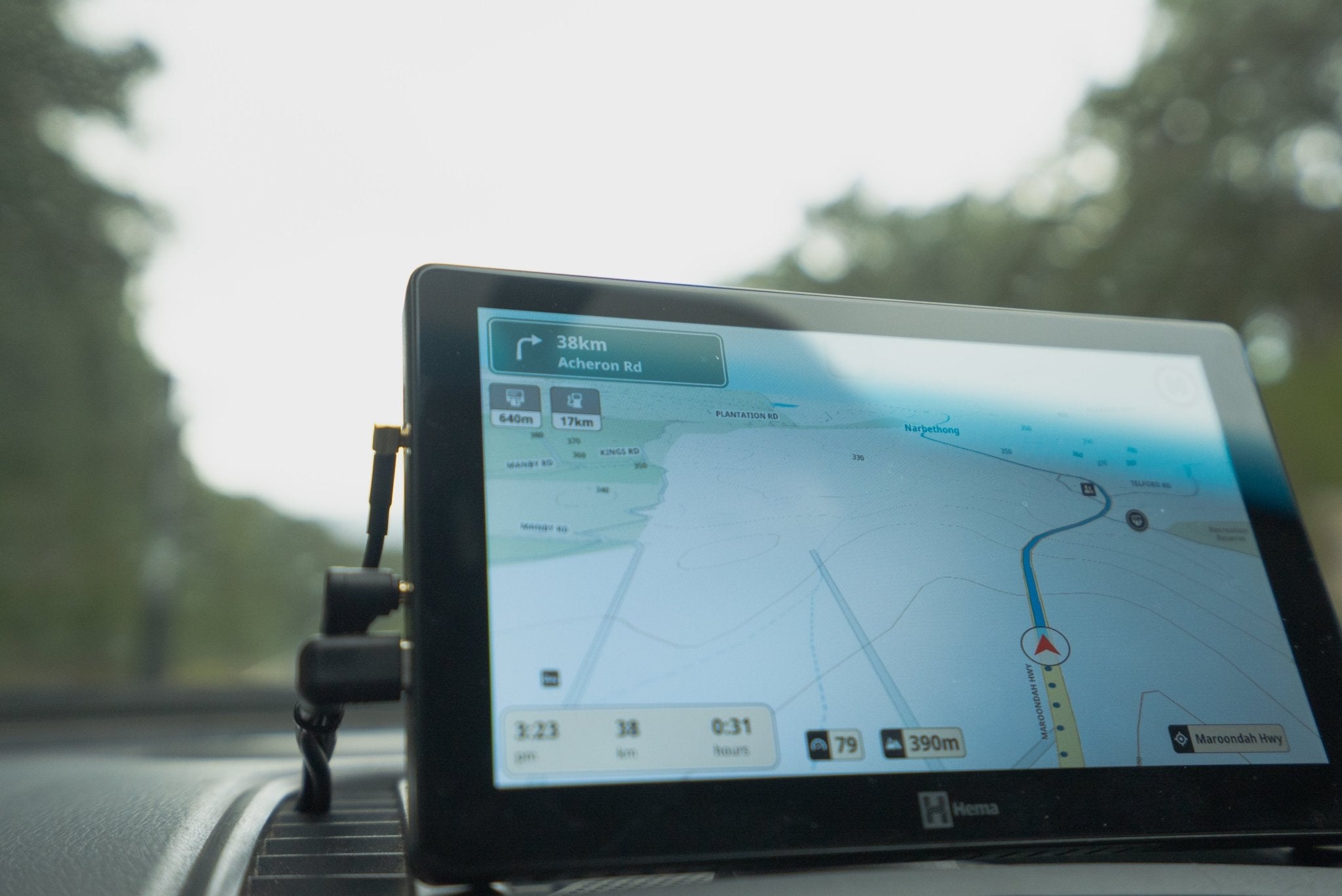
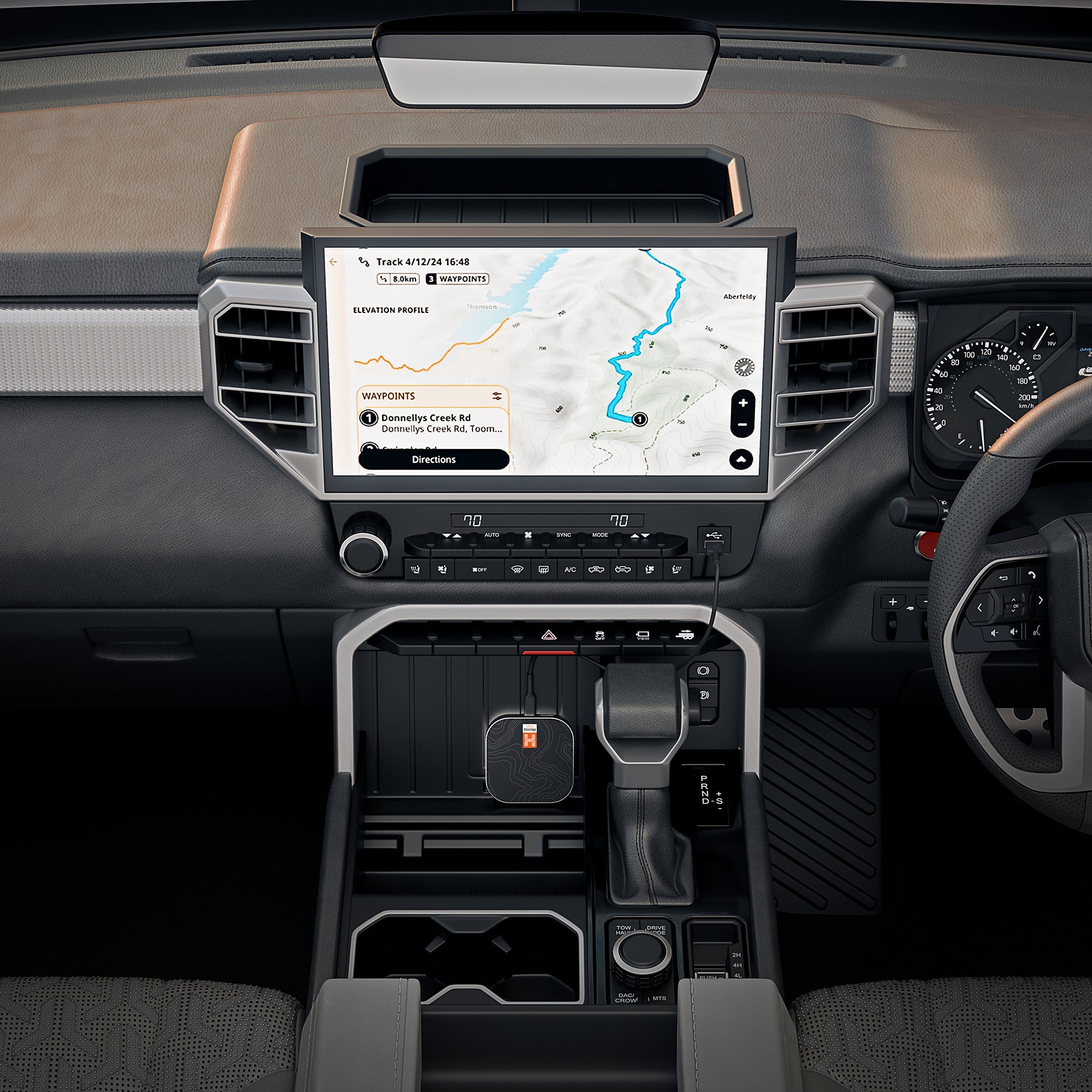
Navigation and communication are equally critical. Digital mapping is invaluable — but paper maps remain essential backup. Batteries die. Devices fail. Redundancy keeps you moving.
Overloading is one of the fastest ways to damage a vehicle. Know your GVM and GCM, weigh your fully loaded rig and distribute weight carefully. Cut unnecessary gear wherever possible. Less weight improves braking, handling and recovery — and makes the trip far more enjoyable.
Animal strikes and track damage are common, particularly in arid and tropical regions. Bull bars, side steps, rear bars and underbody protection help safeguard critical components. Good lighting — quality driving lights, rear work lights and reliable camp lighting — improves safety and usability after dark.
Buy once. Buy well. Cheap gear rarely survives corrugations.
Camps, road safety and daily rhythm
One of the simplest Big Lap safety rules is also one of the most important: arrive safely.
Plan your driving days to finish well before dusk, when animal activity peaks. On narrow outback roads, slow down for road trains, pull over safely and wait for dust to settle before continuing.
Choose campsites carefully. Avoid parking under large gum trees prone to sudden branch drop. Set up before last light so you can see the ground clearly and identify hazards. Secure food and rubbish — wildlife is often more opportunistic than criminal.

If fires are permitted, check local conditions and fire danger ratings. Never leave a fire unattended and extinguish it completely with water before sleeping or leaving camp. The Fires Near Me app is invaluable during fire season.
Store food securely, keep cold foods cold and cook meals thoroughly. Treat water from natural sources before drinking. Always take rubbish with you and leave campsites cleaner than you found them.
Staying connected when coverage disappears
Mobile coverage drops away quickly once you leave major towns.
While Telstra’s network covers most of the population, vast areas of the country have no reception at all. Out here, communication becomes a safety tool rather than a convenience.
A UHF radio is essential. For remote travel, satellite communicators or PLBs provide critical backup. An AM/FM radio is also useful for emergency broadcasts during fires and severe weather.
Solo female travellers, in particular, should trust their instincts. If something feels off, move on. Keep family or friends updated on your plans and tap into online communities for shared knowledge and support.
Water
Three words:
Water. Comes. First.
Accompanied by another three words:
Nothing. Matters. More.
In hot, remote Australia, dehydration becomes dangerous very quickly. Carry more drinking water than you think you’ll need — a good baseline is 10 litres per person per day, with extra in reserve. A minimum of 20 litres, stored in clearly marked containers, is a sensible starting point. Refill whenever the opportunity arises.
Fuel for your rig
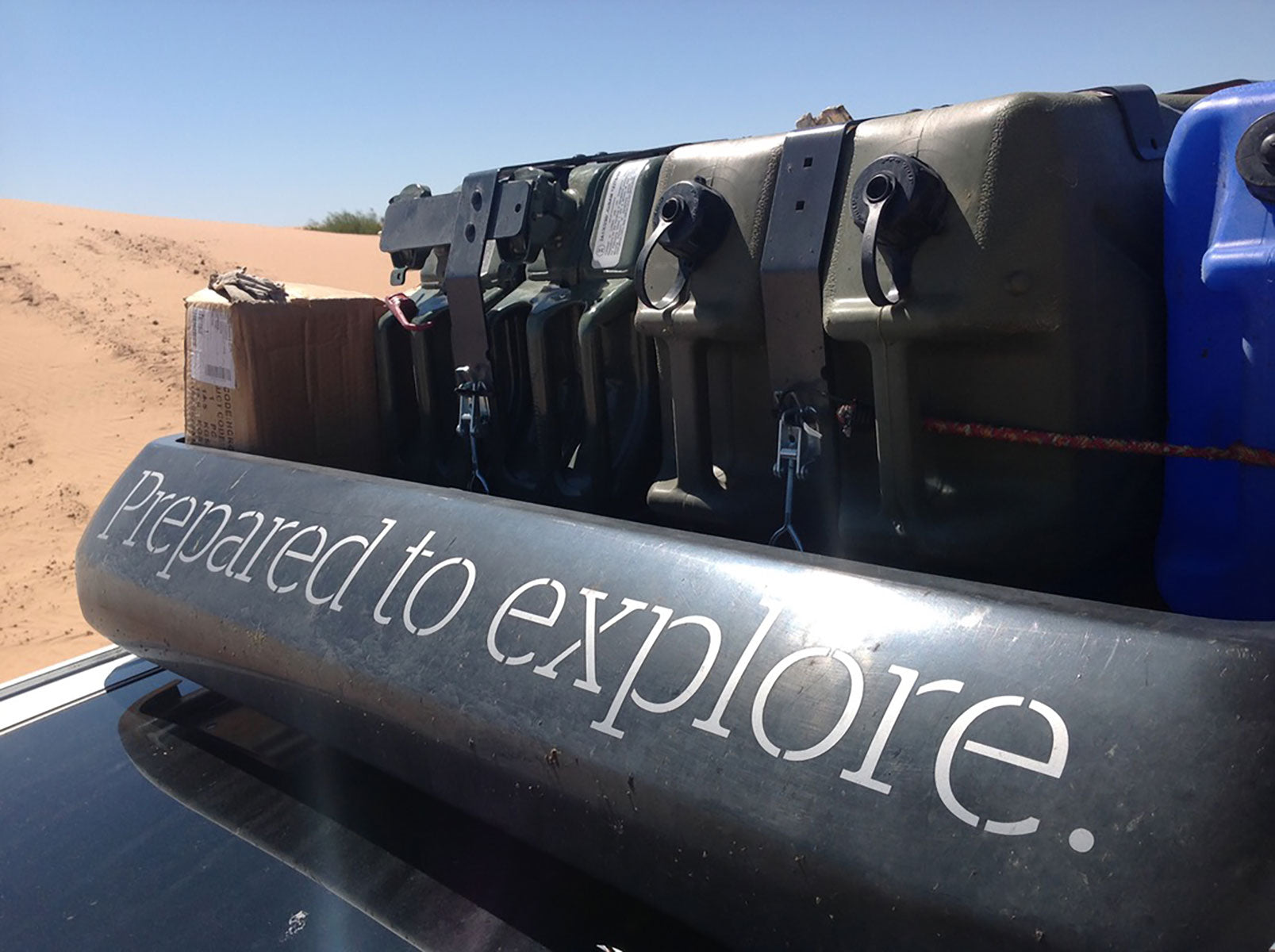
Running closely behind water are fuel and vehicle basics, both of which matter almost (but not quite) as much as water. If you’re venturing off-grid or away from sealed roads, carry spare fuel in approved jerry cans and know your vehicle’s range.
Extra weight costs fuel, stresses your vehicle and makes life harder. Take what you’ll actually use. You don’t need a full kitchen or winter bedding in the tropics. Broken or forgotten items can usually be replaced cheaply at op shops in regional towns.
Fuel for you
Keep meals simple, pack snacks for driving days and buy groceries in bulk when prices are reasonable. Ice is widely available nowadays, but longer off-grid stays still call for a reliable fridge setup. And yes — if good coffee matters to you, bring your preferred brew method and a Thermos.
Fresh produce is usually easy to find as you travel — and local food is half the experience — just remember quarantine zones where fresh items may need to be ditched.
Prepared travellers eat better, drive safer and enjoy the journey far more.
Permits, planning and patience
Many routes require permits — especially through national parks and Aboriginal land. Requirements vary widely and can take time to organise.

Before you leave, check the relevant Land Council, government and parks websites for your intended route and apply early. It’s far easier to sort permits at home than to reroute on the fly.
Big Lap highlights worth planning around
You won’t see everything.
Trying to do so will only burn you out.
Classic Big Lap highlights include (but are far from limited to): the NSW coast, Kosciuszko National Park, K’gari (Fraser Island), the Whitsundays, Far North Queensland, the Gulf Country, the Top End, the Kimberley, Ningaloo Reef, the Nullarbor, the Eyre Peninsula, the Great Ocean Road and Tasmania’s wild heart.

K'Gari (Fraser Island)

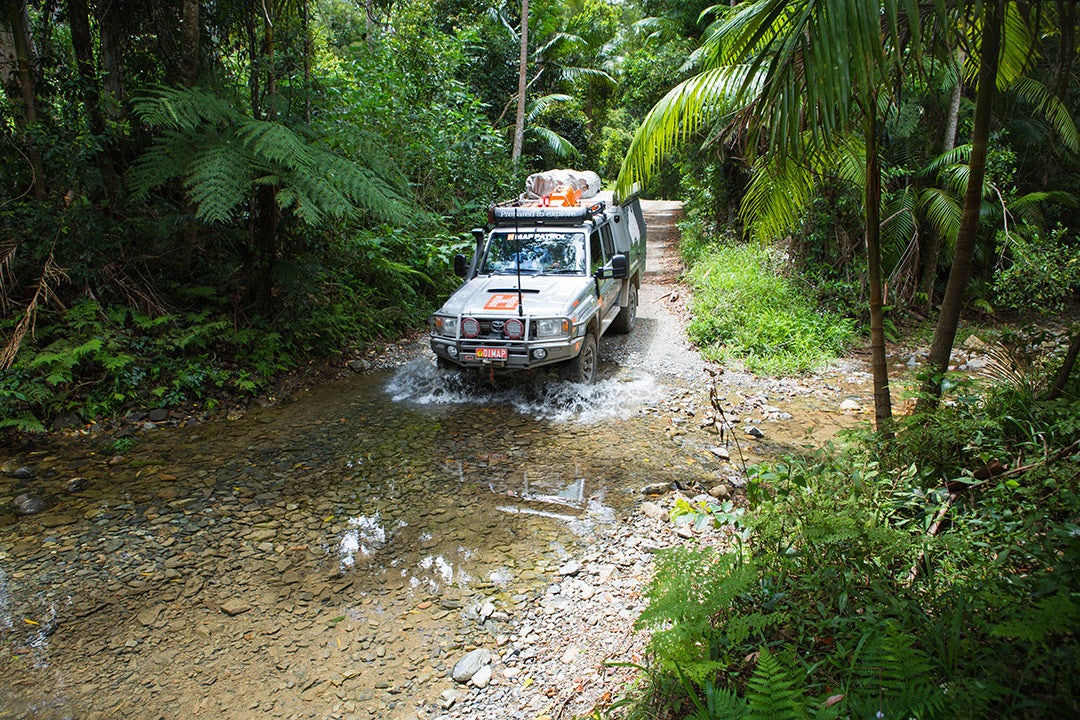
Fruit Bat Falls, Cape York Peninsula (Credit: Matt Williams)
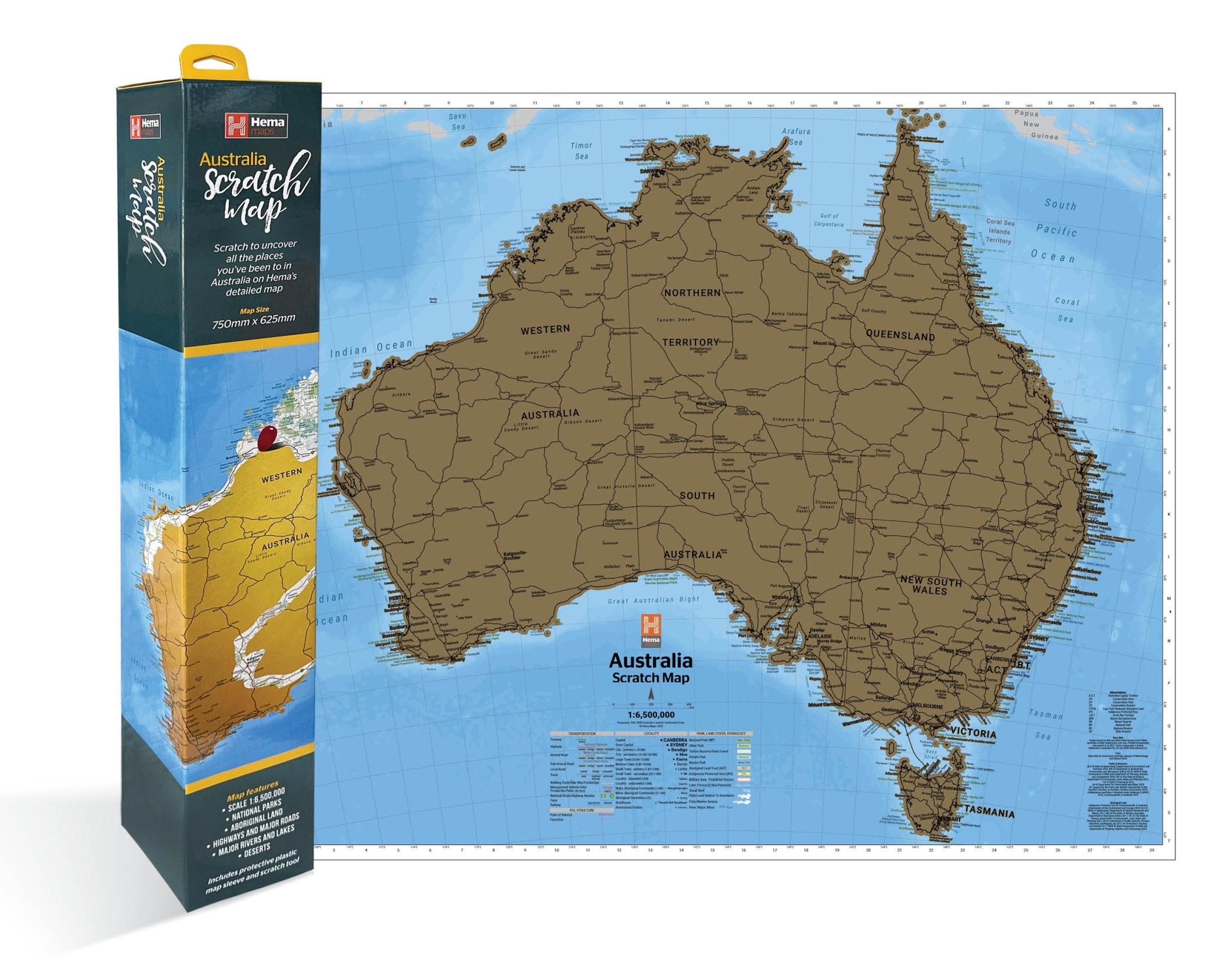
A large Hema map of Australia is invaluable here. Seeing the scale of the country helps put distances — and detours — into perspective.
Some travellers plan every stop. Others follow the road as it unfolds. The best approach is usually a mix: lock in must-see experiences and leave room for surprises.
In the inimitable words of Scottish poet and writer, Robert Louis Stevenson (author of Treasure Island and The Strange Case of Dr. Jekyll and Mr. Hyde, amongst others), “To travel hopefully is a better thing than to arrive.”
That said, if there’s a bucket-list tour involved — a Yellow Water cruise in Kakadu National Park, a Whitsundays sail, snorkelling Ningaloo — book it once your itinerary is firm. Driving halfway across the country only to miss out hurts more than locking in a date.

Coral Bay, WA (Credit: John Ford)
Plan your route for sure, however we caution against nitty-gritty overplanning.
Start with your non-negotiables, then sketch a rough loop.
Break the country into regions and estimate how long you’ll need in each. Leave buffer days for weather delays, fatigue or unexpected finds.
Use digital planners to visualise distances, but always factor in road conditions — especially inland, where corrugations, gravel and seasonal closures can derail plans quickly.
Should you book ahead?
Sometimes.
During peak periods — school holidays, dry season up north, summer down south — popular campgrounds and caravan parks fill fast. Booking ahead is often essential.
Outside peak periods or in quieter regions, travelling day-to-day works well — just make sure you’ve always got a backup plan in case your first choice is full.
Final thoughts
Here at Hema Maps, we hear the words ‘bucket list’ more often than we’ve had hot dinners — and we use those same words ourselves.
There’s nothing wrong with chasing a ‘bucket list’ and big dreams. A Big Lap creates memories that last a lifetime.
That said, it’s not about ticking boxes.
It’s about slowing down.
Talking to locals.
Staying flexible.
Getting off the highway.
So, fuel up — and let the Big Lap remind you just how vast, complex and rewarding this country truly is.

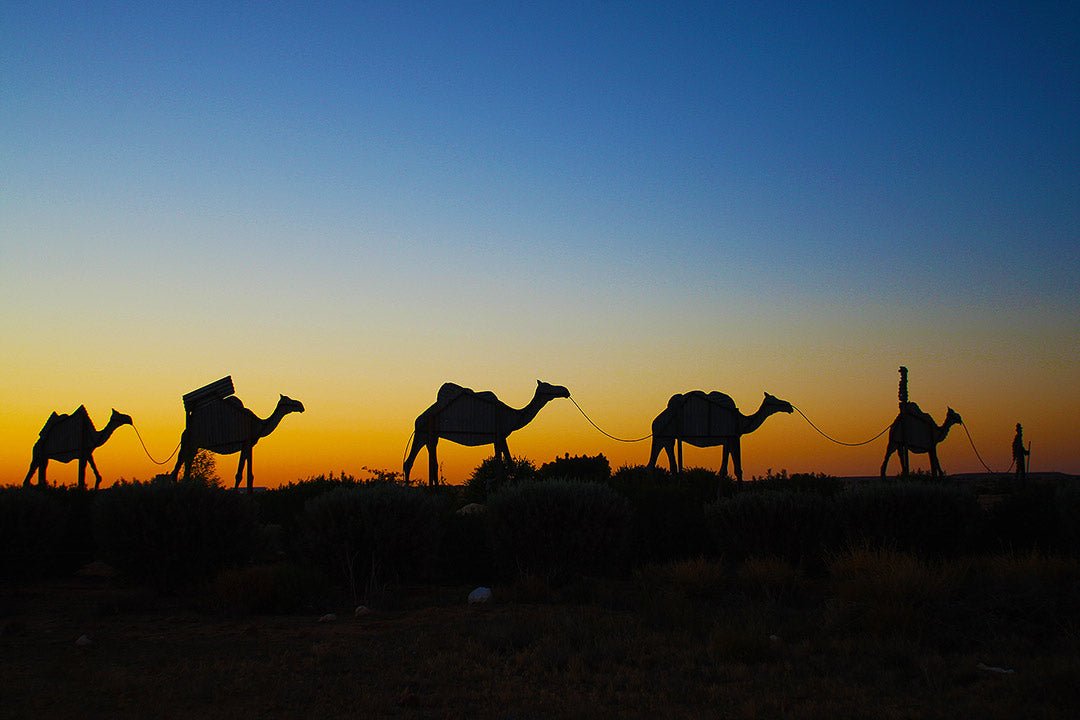
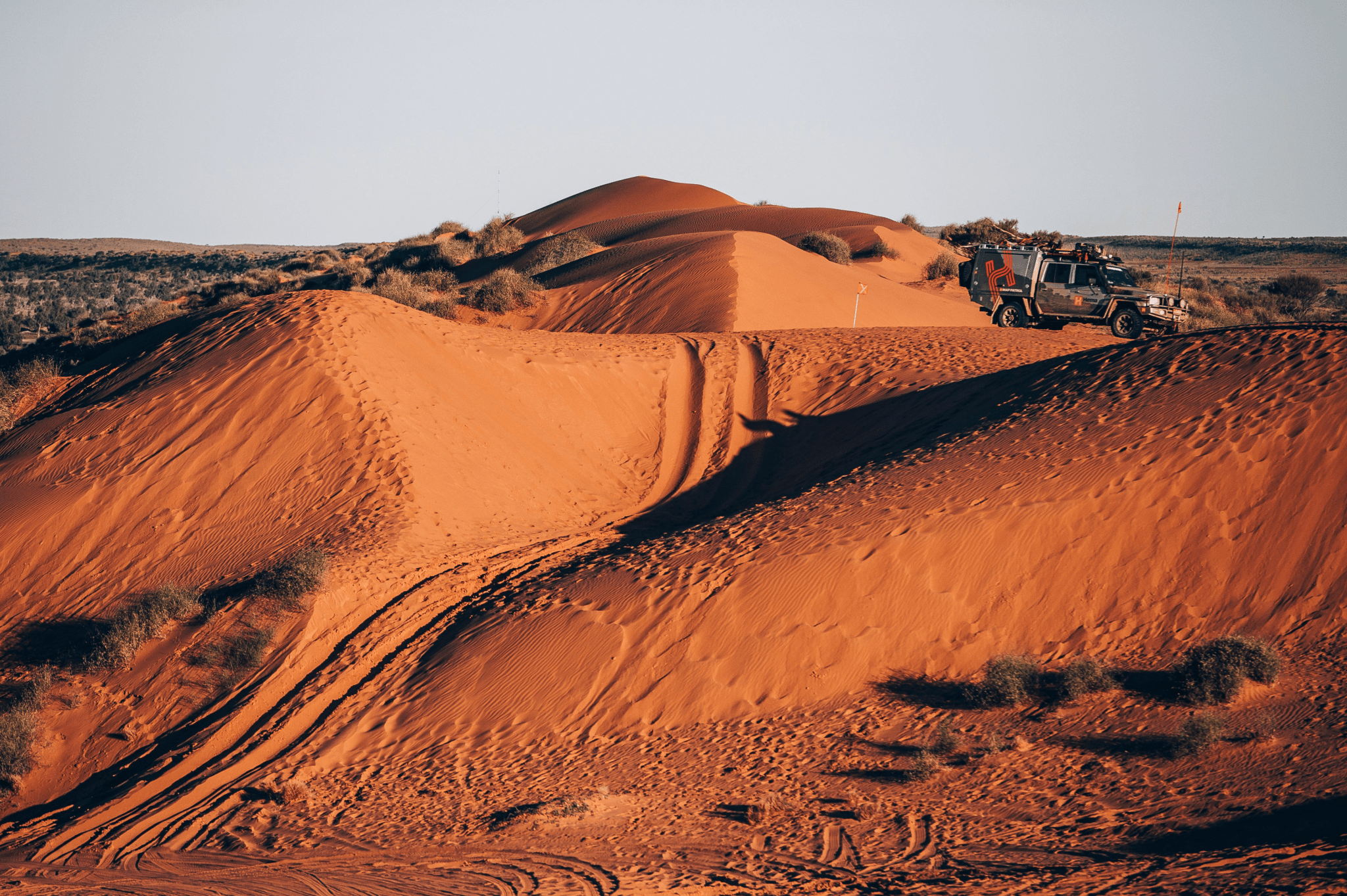
Sunset in remote Australian outback (Credit: Getty Images)
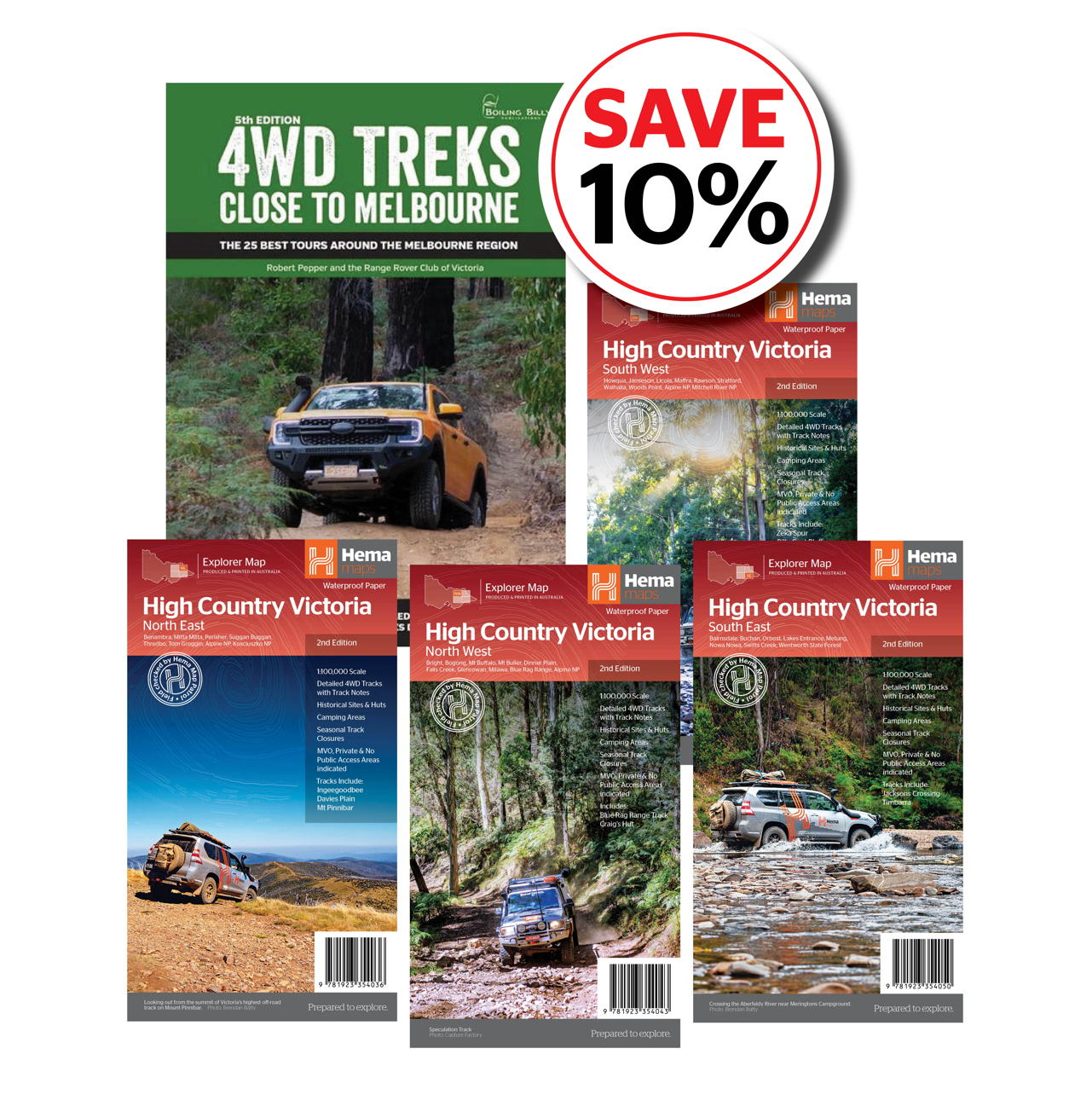
Recommended products
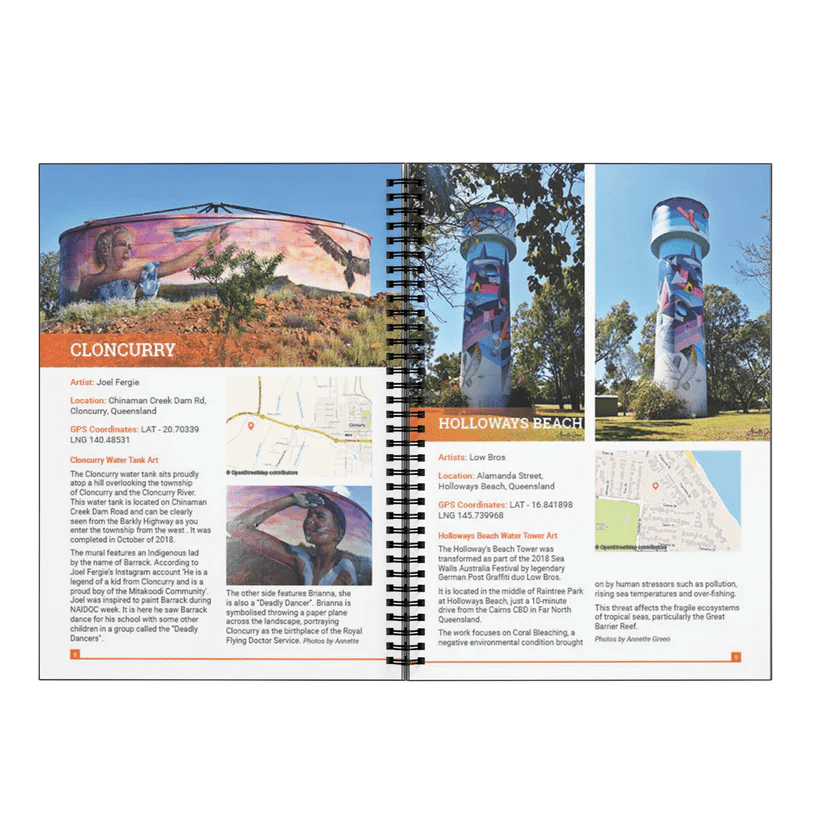
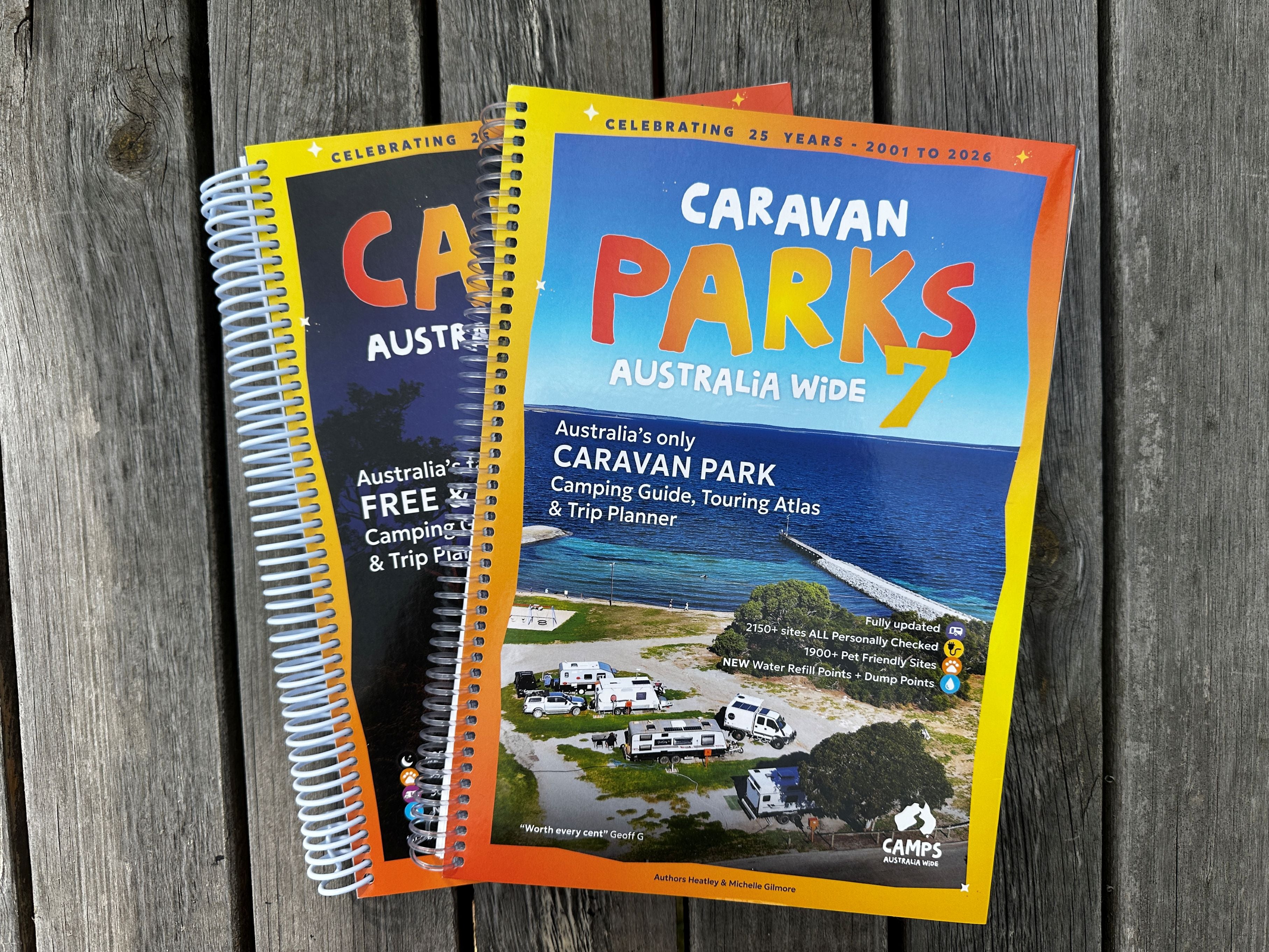
Below you can find some fantastic resources and further information for taking on your Big Lap and all the incredible things you could see and do along the way:
Australia Indigenous Journeys Map
Hema's 3001 things to see & do around Australia
Camps 13 Standard Edition (A4)
Maps so you don’t get lost
Related articles
Explore Cape York’s toughest 4WD tracks
Exploring the Otway Ranges in Victoria
Hema’s TOP 5 4WD tracks in New South Wales
Explore Boodjamulla National Park (Aboriginal Land)
The Kimberley — Explore Australia’s wild frontier
Hema’s TOP tips for travelling the Big Lap