

Fuel Consumption: Planning for Remote Travel
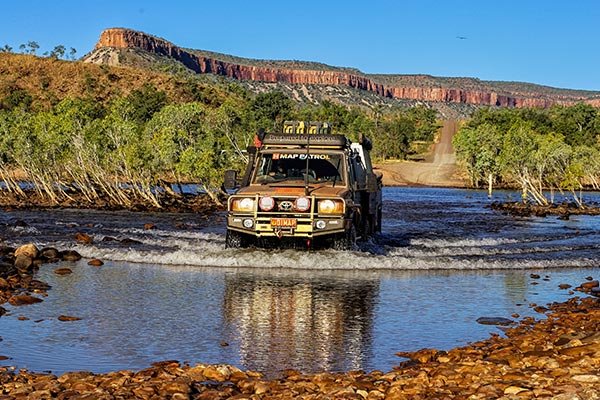
Fuel consumption figures quoted by vehicle manufacturers are usually measured under controlled conditions on sealed roads. Once you load a 4WD with passengers, camping equipment, recovery gear and accessories, then head onto corrugated roads, soft sand or steep tracks, fuel use can increase dramatically.
Understanding how terrain, weight and driving style affect your vehicle’s range is essential when travelling through remote parts of Australia. Fuel stops can be hundreds of kilometres apart, and unexpected detours, track closures or recovery situations can quickly use up your planned reserve.
Why fuel consumption increases offroad
A vehicle’s engine has to work harder whenever rolling resistance, weight or aerodynamic drag increases. Common factors affecting offroad fuel consumption include:
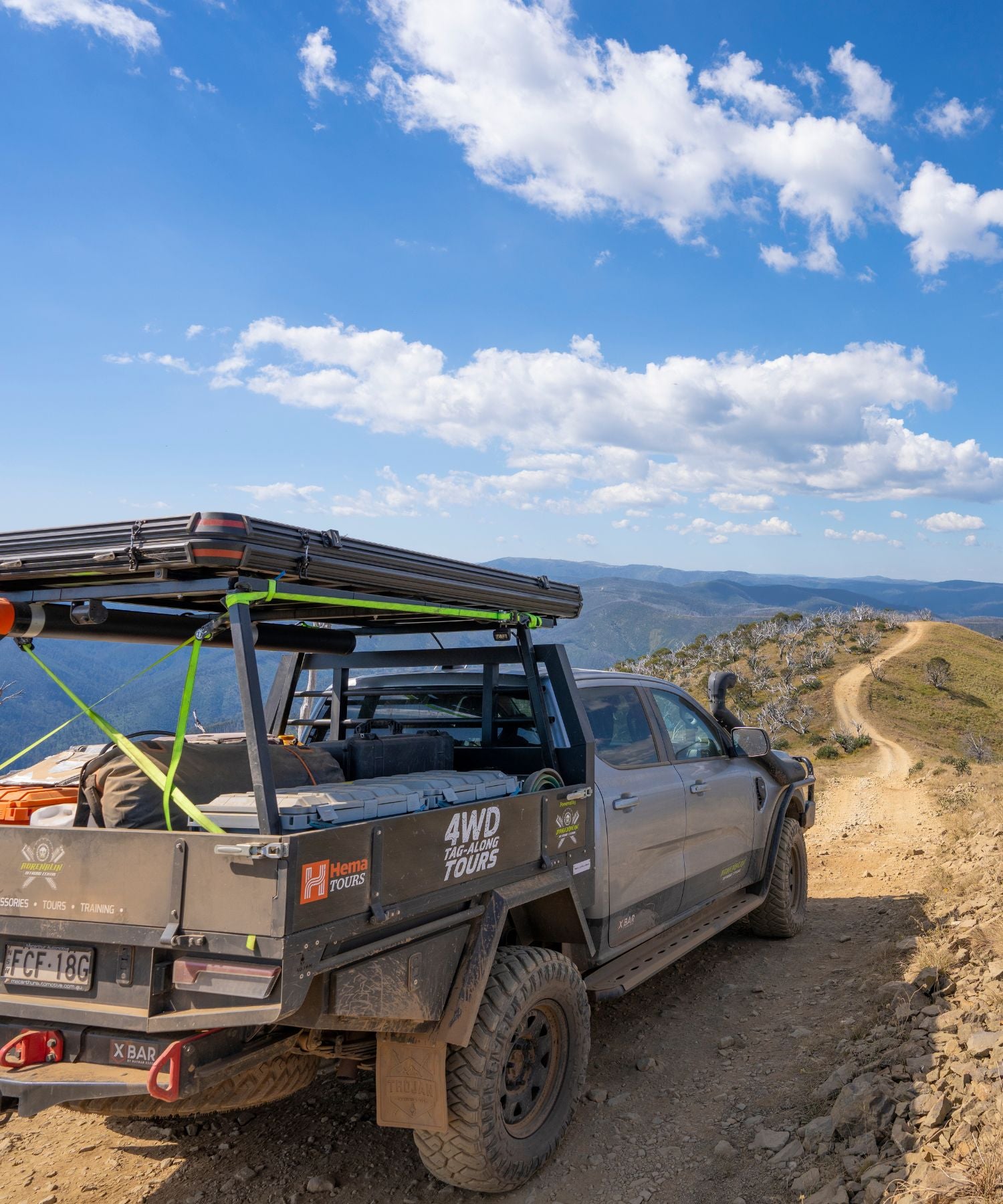
Heavy touring loads, including passengers, water and camping equipment
Roof racks, rooftop tents and awnings that increase wind resistance
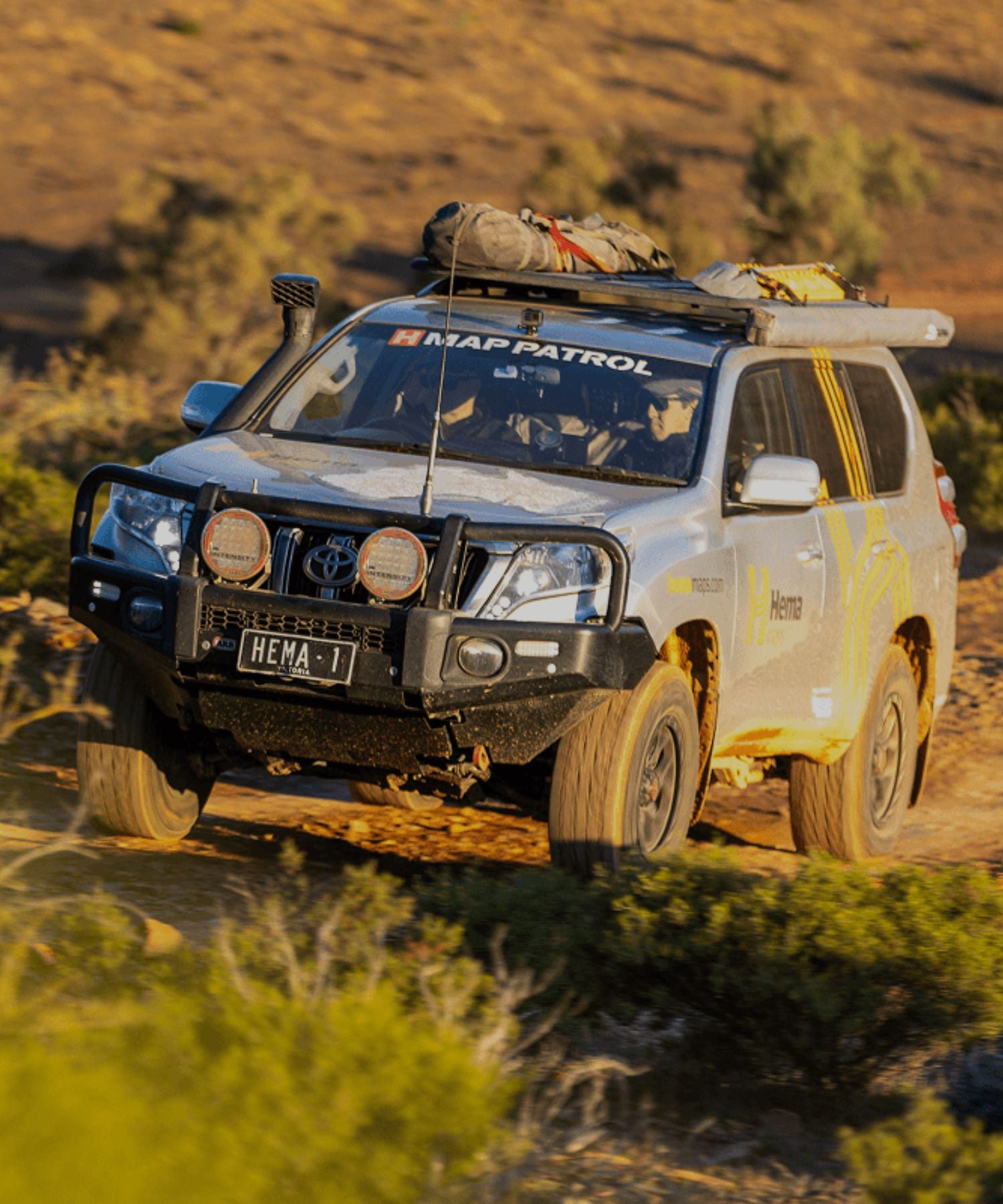
Bullbars, winches, underbody protection and other accessories
Reduced tyre pressures when driving on sand or rough tracks
Corrugations, mud, soft sand and rocky terrain
Steep climbs and frequent low-range driving
Strong headwinds or towing a caravan, camper trailer or boat
Extended idling during recoveries, track inspections or rest stops
On difficult tracks, fuel consumption can rise considerably and may sometimes be close to double the vehicle’s normal highway figure. Soft sand is particularly demanding because the vehicle must constantly overcome greater resistance to maintain momentum.
Before undertaking a remote trip, monitor your vehicle’s fuel use across different environments. A short test trip with the vehicle fully loaded can provide far more useful information than relying on the manufacturer’s official figure.

Calculate your touring range conservatively
When planning a route, use your vehicle’s worst, realistic fuel consumption rather than its best highway result. It is better to arrive with fuel remaining than to calculate the journey down to the final litre.
A simple way to estimate range is:
Usable fuel capacity ÷ litres used per 100km × 100 = estimated range
For example, a vehicle carrying 80 litres and consuming 16L/100km has a theoretical range of 500km. However, you should not plan to use every litre. Fuel gauges are not always perfectly accurate, and some fuel may be difficult to access when the vehicle is parked on an angle.
Aim to retain a reserve of approximately 20–30 per cent for remote travel. This gives you additional range if you take a wrong turn, encounter a closed road, need to backtrack or spend more time than expected travelling in low range. Carrying a reserve can also help if your preferred fuel stop is closed or temporarily out of fuel.
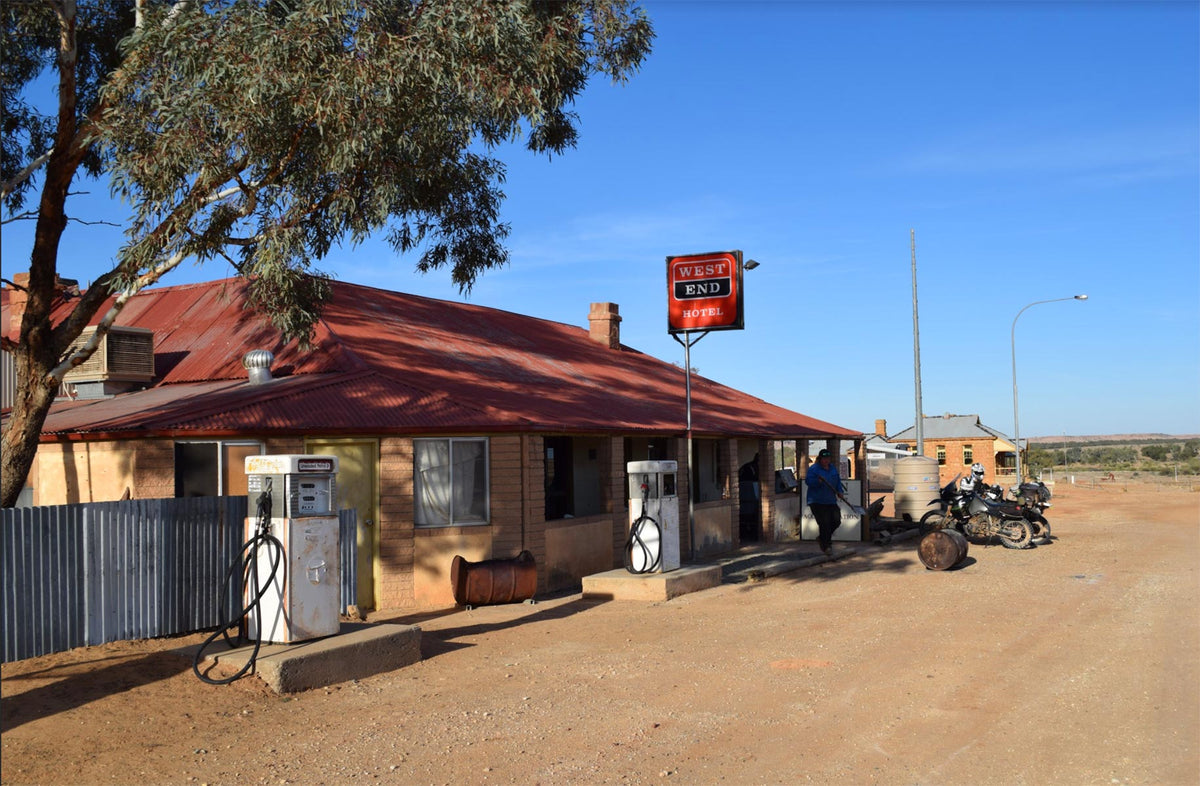
Remember that remote fuel outlets may operate limited hours, and availability cannot always be guaranteed. Confirm fuel locations, opening times and accepted payment methods before departure where possible.
Carrying extra fuel
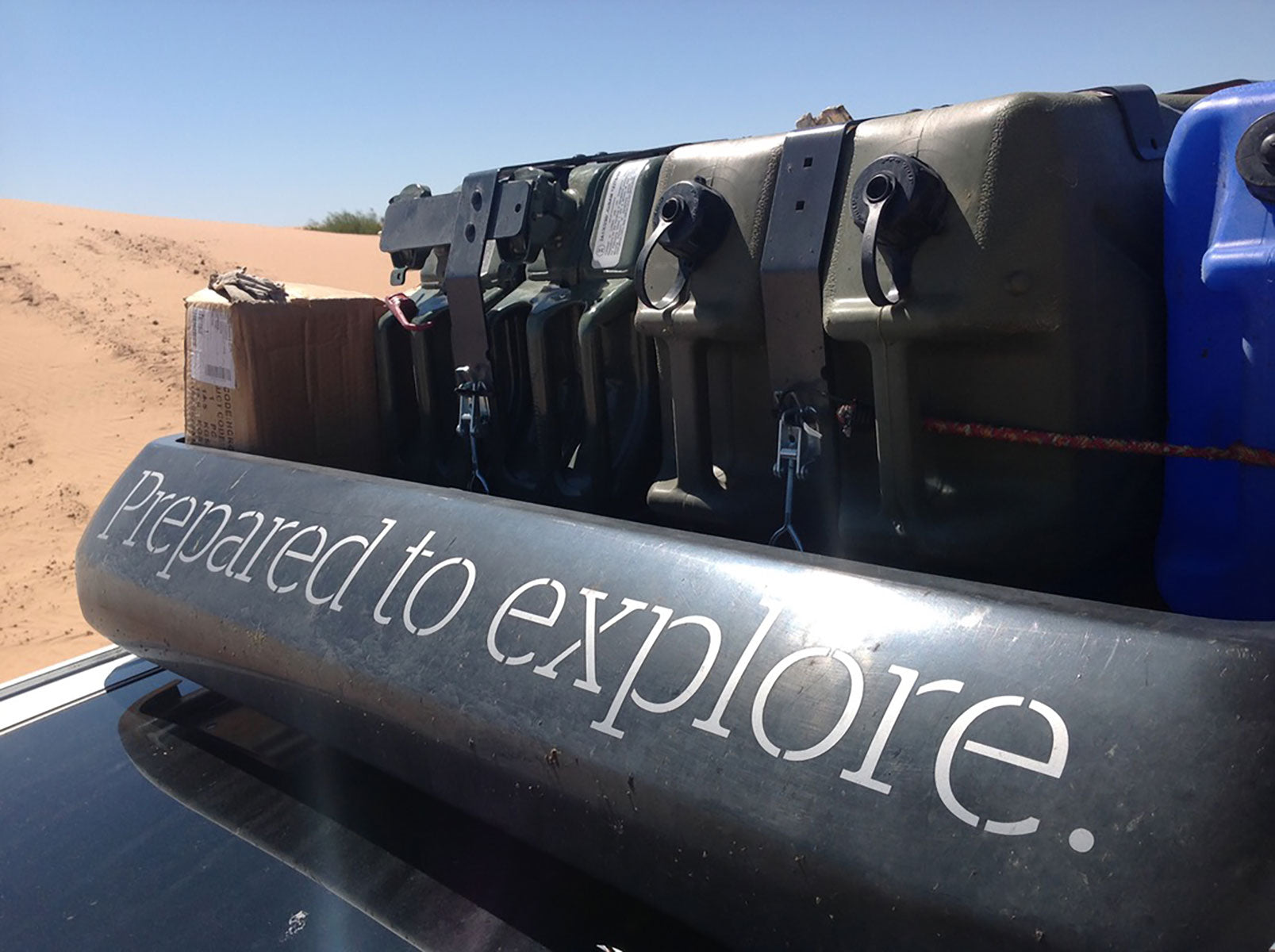
In remote Australia, the distance between fuel stops may exceed the range of a standard tank. The two most common solutions are portable fuel containers—often referred to as jerry cans—or an installed long-range fuel tank.
Before adding extra fuel, check your vehicle’s gross vehicle mass, axle limits and roof-load capacity. Fuel is heavy: petrol weighs roughly 0.74kg per litre, while diesel is closer to 0.84kg per litre. A 20-litre container can therefore add around 15–17kg before including the weight of the container and mounting hardware.
Carrying excessive fuel can become counterproductive because the additional weight increases consumption and reduces the vehicle’s available payload.
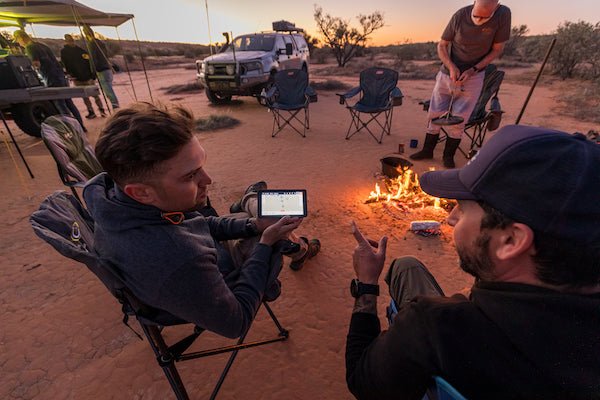
Navigate with a Hema Maps GPS Smart Navigator
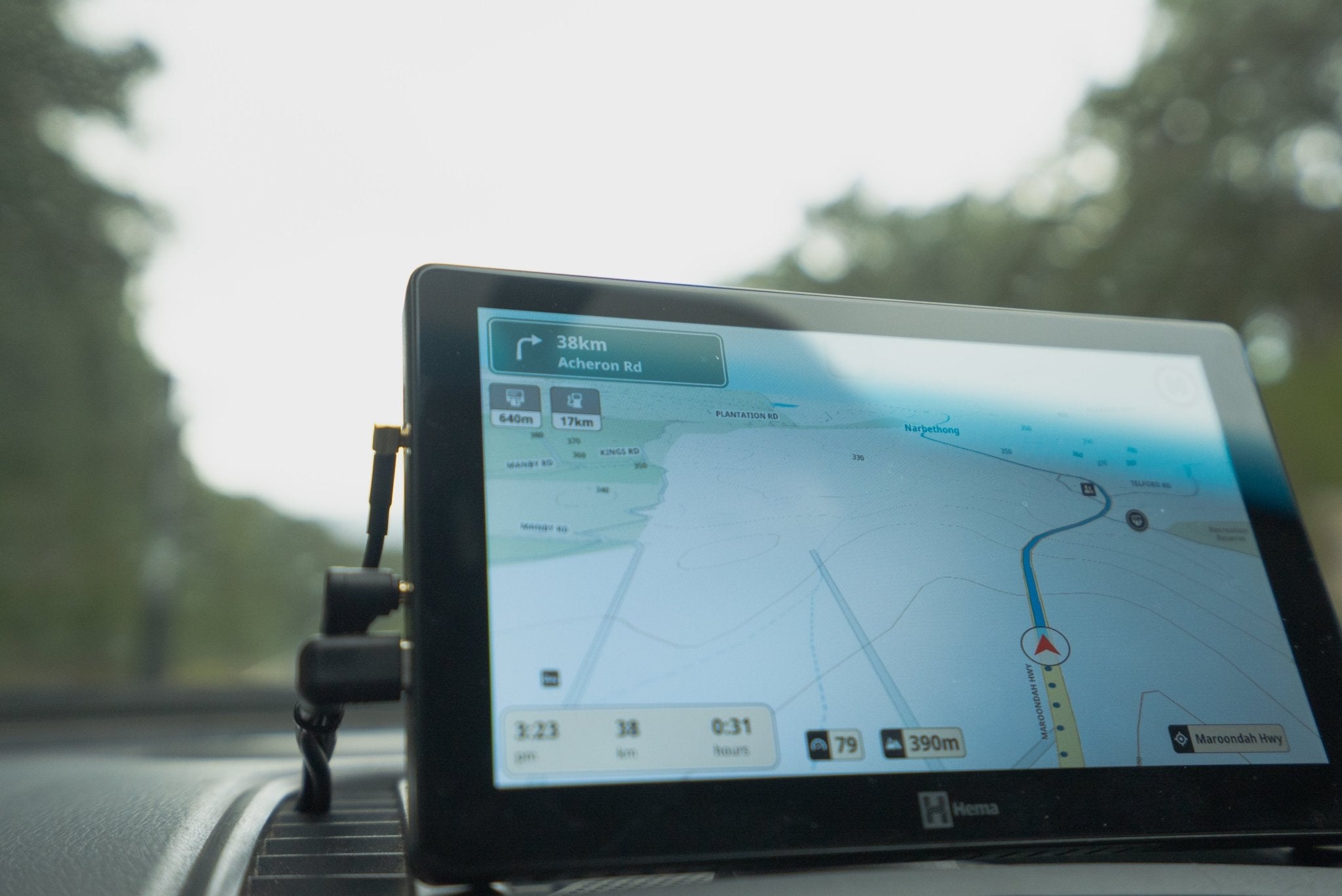
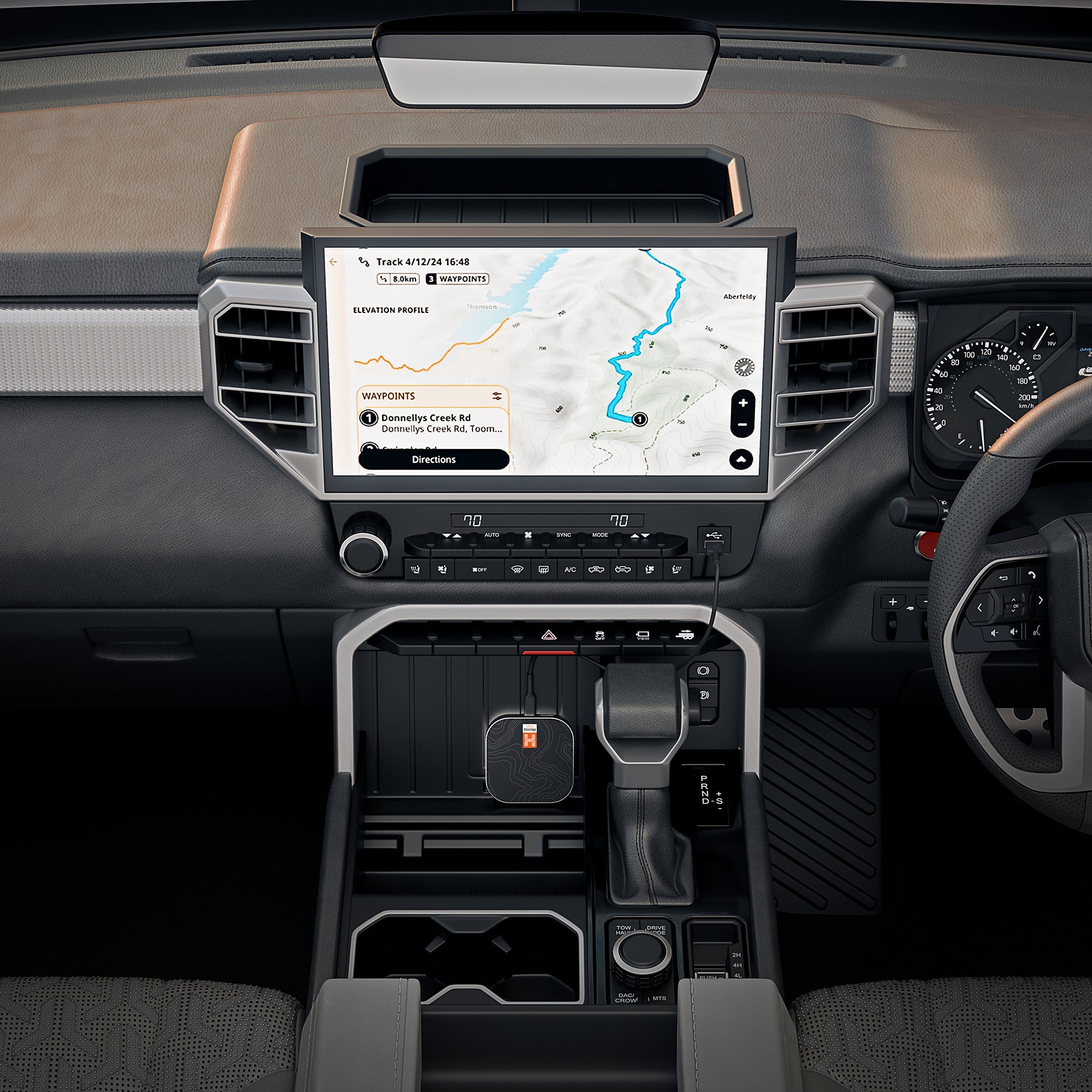
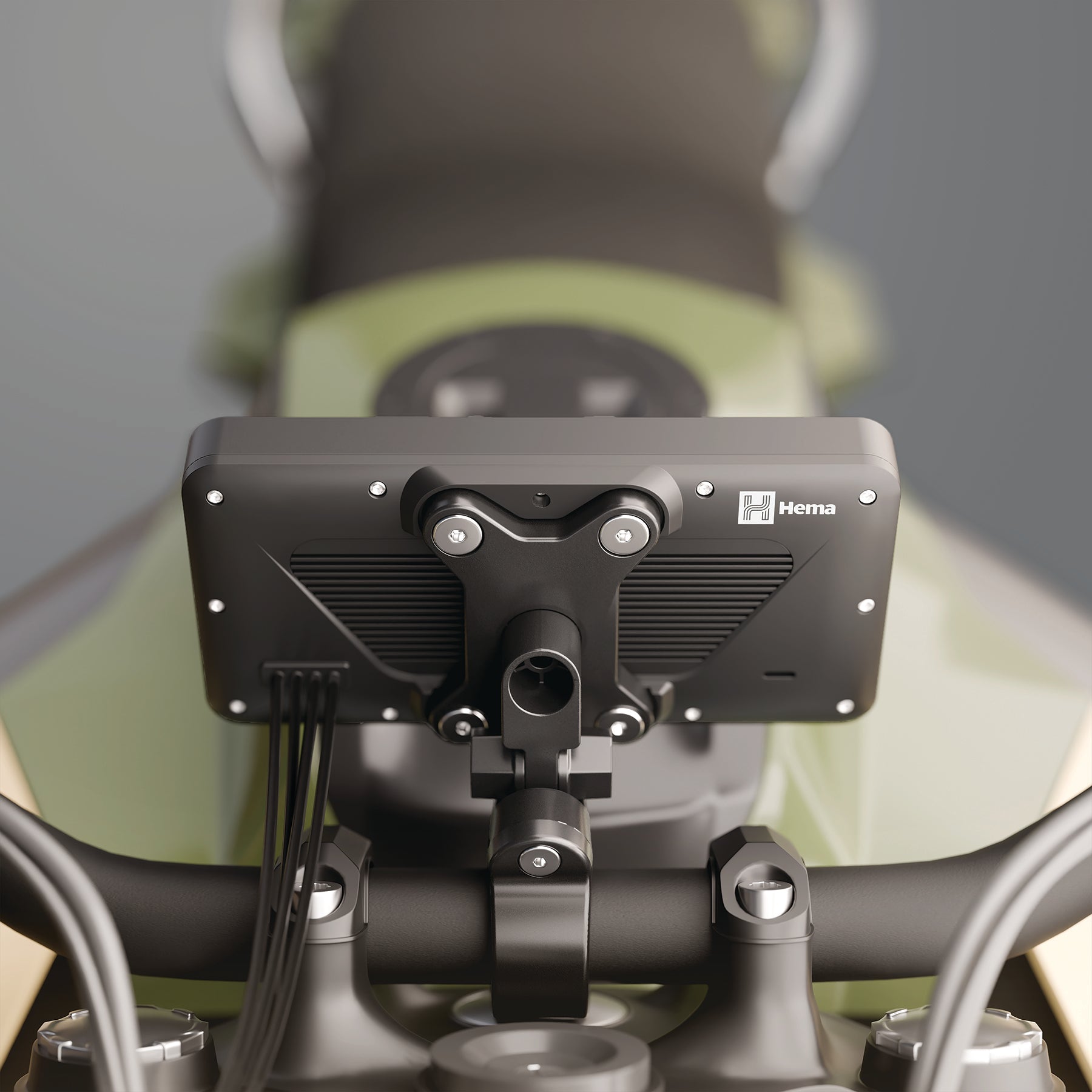
When travelling offroad or through remote Australia, a Hema GPS Navigator can be an invaluable part of your fuel-planning toolkit. With detailed mapping and access to points of interest such as fuel stations, roadhouses and nearby services, it can help you identify potential fuel stops and monitor the distance to your next resupply point. Because remote operating hours and fuel availability can change, always confirm ahead where possible and never rely on a single location when planning your range.
Jerry cans

Jerry cans are relatively affordable, flexible and easy to remove when they are not required. They are available in plastic and metal designs, with metal containers generally offering greater resistance to impacts and abrasion, while quality plastic containers can be lighter and easier to handle.
Always use an approved fuel container designed for the fuel being carried. Inspect the cap, seal and body for leaks or damage before every trip.
Fuel containers should not be carried inside the passenger compartment, where fumes, vapour or leakage could create serious health and fire risks. They should be mounted upright, secured firmly and protected from heat, sparks and likely impact points. Mounting rules can vary between Australian states and territories, so check the requirements that apply to your vehicle and route.
Roof-mounted jerry cans are common, but their weight raises the vehicle’s centre of gravity and places additional stress on the roof, rack and mounting points. Heavy loads can affect handling and may cause damage on severe corrugations. If fuel must be carried on the roof, remain within both the vehicle and roof-rack manufacturer’s load limits, remembering that offroad load ratings may be lower than on-road ratings.
Fuel-container colours are commonly used to help identify their contents:
Red: petrol
Yellow or black: diesel
Green or blue: water
Colour conventions can vary, so never rely on colour alone. Clearly label every container and keep drinking-water containers completely separate from fuel containers to prevent dangerous mistakes.
Long-range fuel tanks
A professionally installed long-range tank can substantially increase a vehicle’s touring range while keeping the fuel lower and more central than roof-mounted containers. It also avoids repeatedly lifting and pouring from heavy jerry cans.
However, long-range tanks can be expensive and add permanent weight, even when empty. Depending on the design and mounting location, a replacement or auxiliary tank may reduce ground clearance or alter the vehicle’s weight distribution. Its capacity must also be included when calculating payload and axle loads.
Choose a tank designed specifically for your vehicle and have it installed by a reputable professional. Check the tank, hoses, fittings and mounting points regularly, especially after travelling over corrugated or rocky tracks. Suitable fuel-tank repair putty may provide a temporary emergency patch, but any damaged tank should be properly inspected and repaired as soon as possible.
Whether you choose jerry cans, a long-range tank or a combination of both, careful planning remains the most important part of fuel management. Know your vehicle’s real-world consumption, carry an appropriate reserve and allow for changing conditions. In remote travel, extra range is not simply convenient - it can be an essential safety measure.
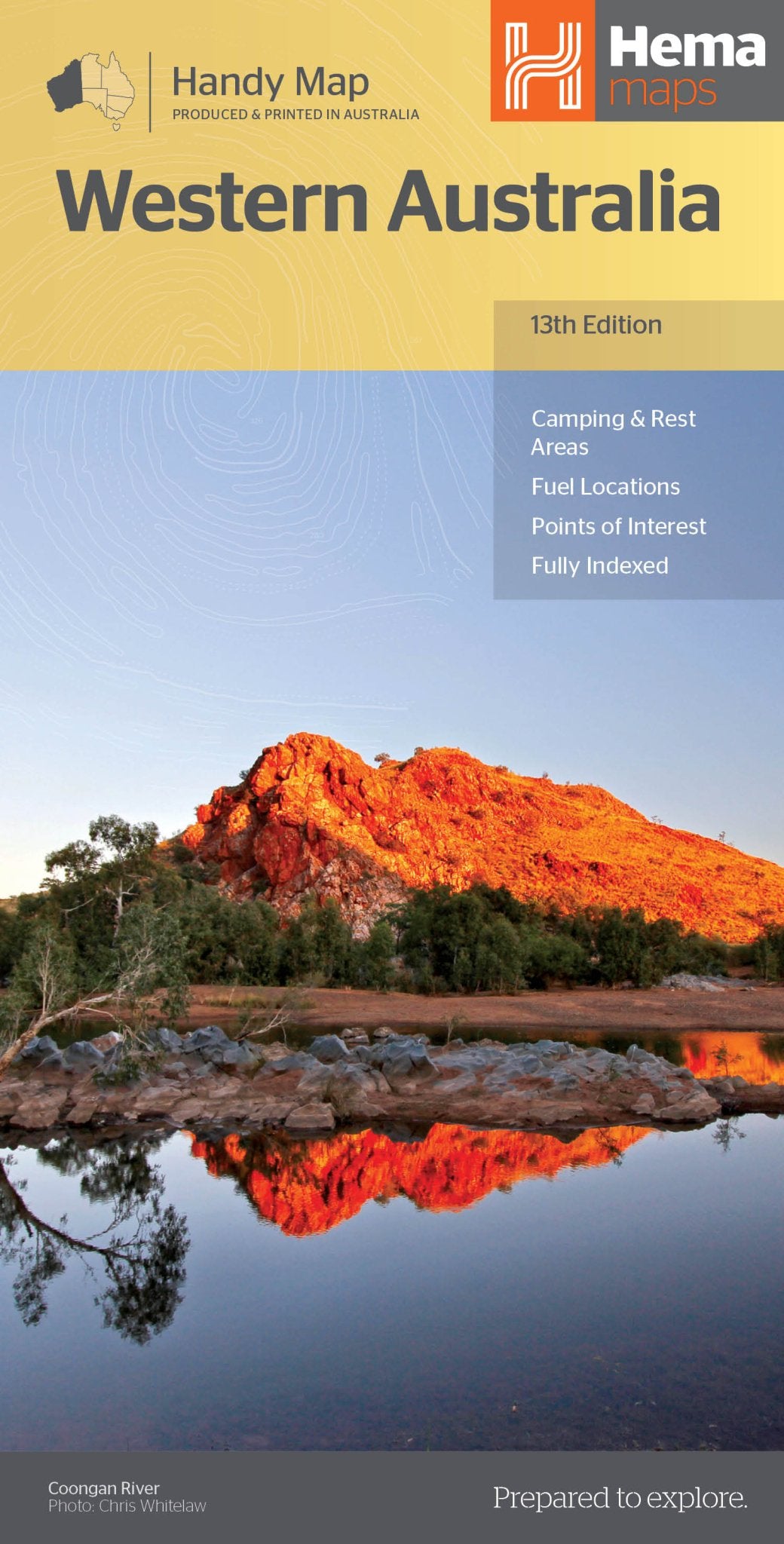
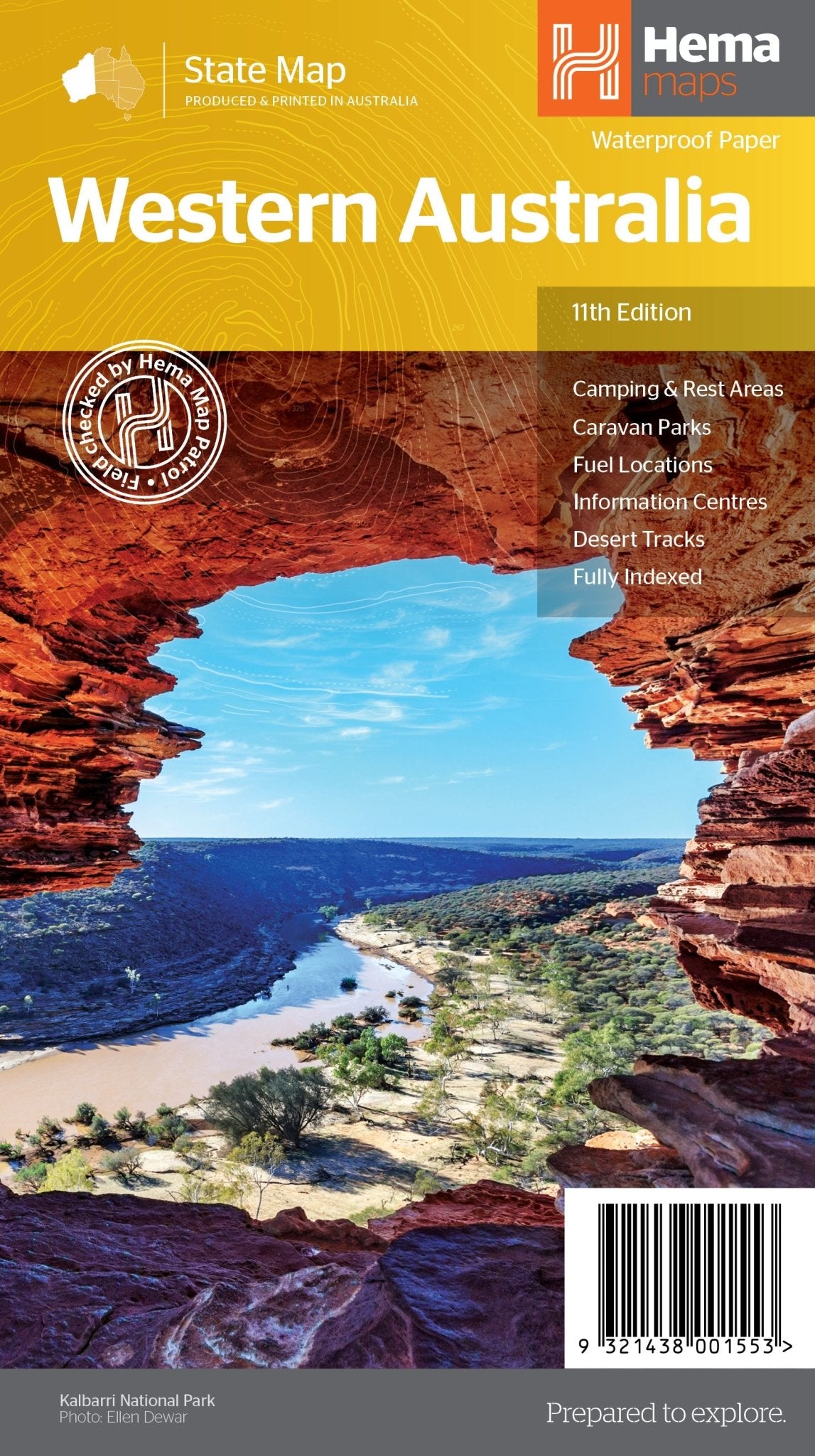
Always Carry Paper Maps
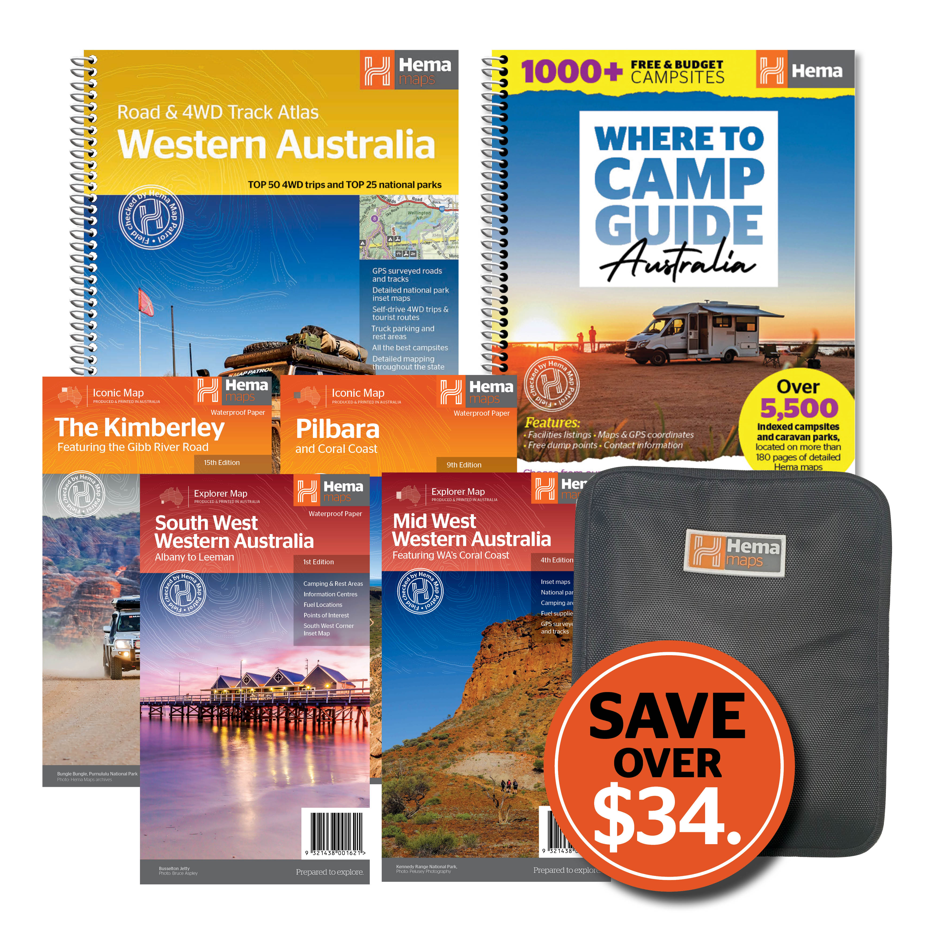
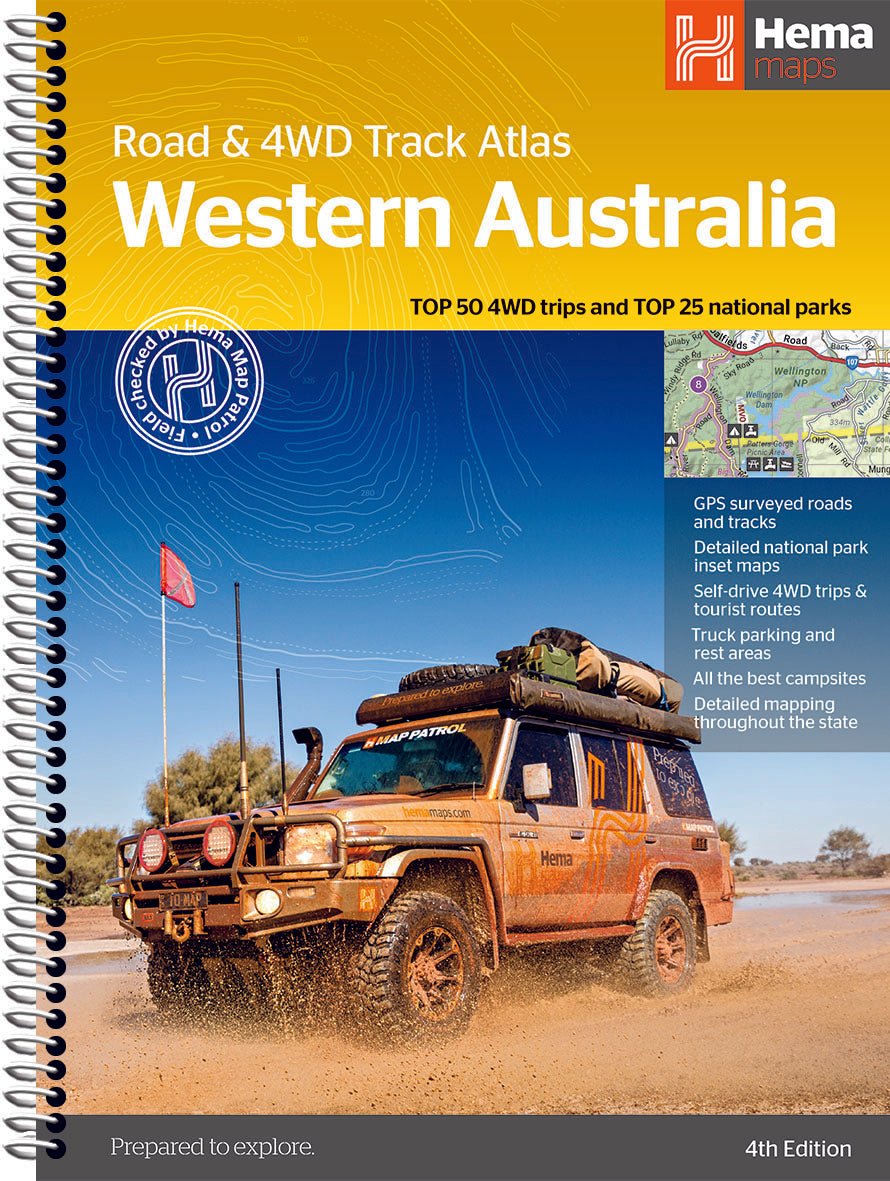
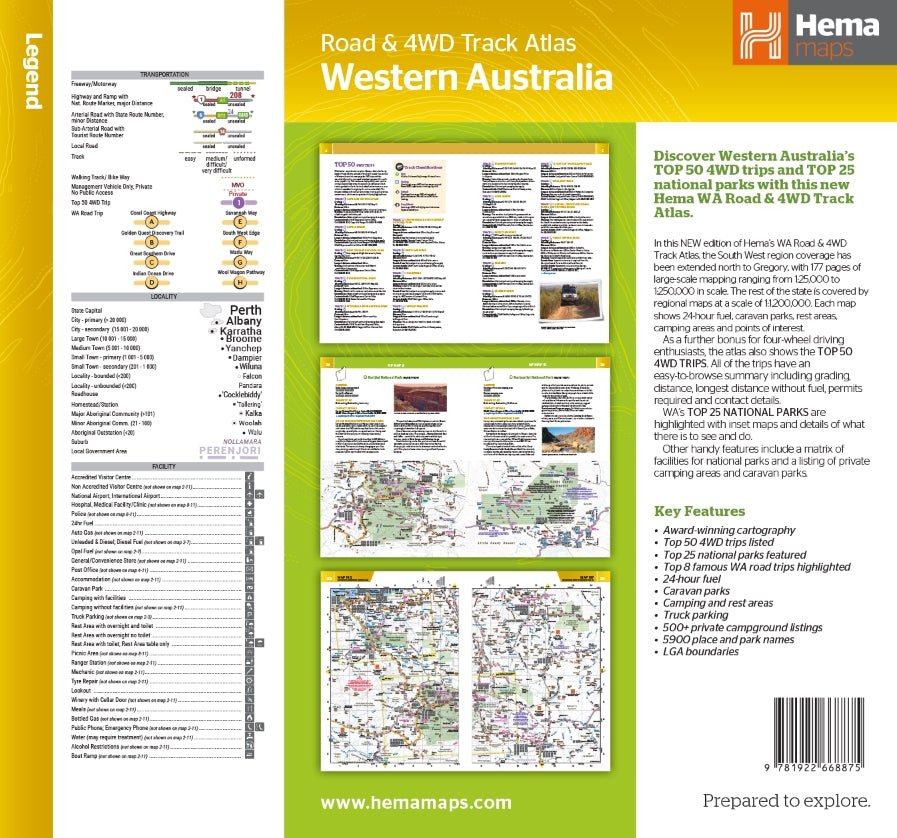
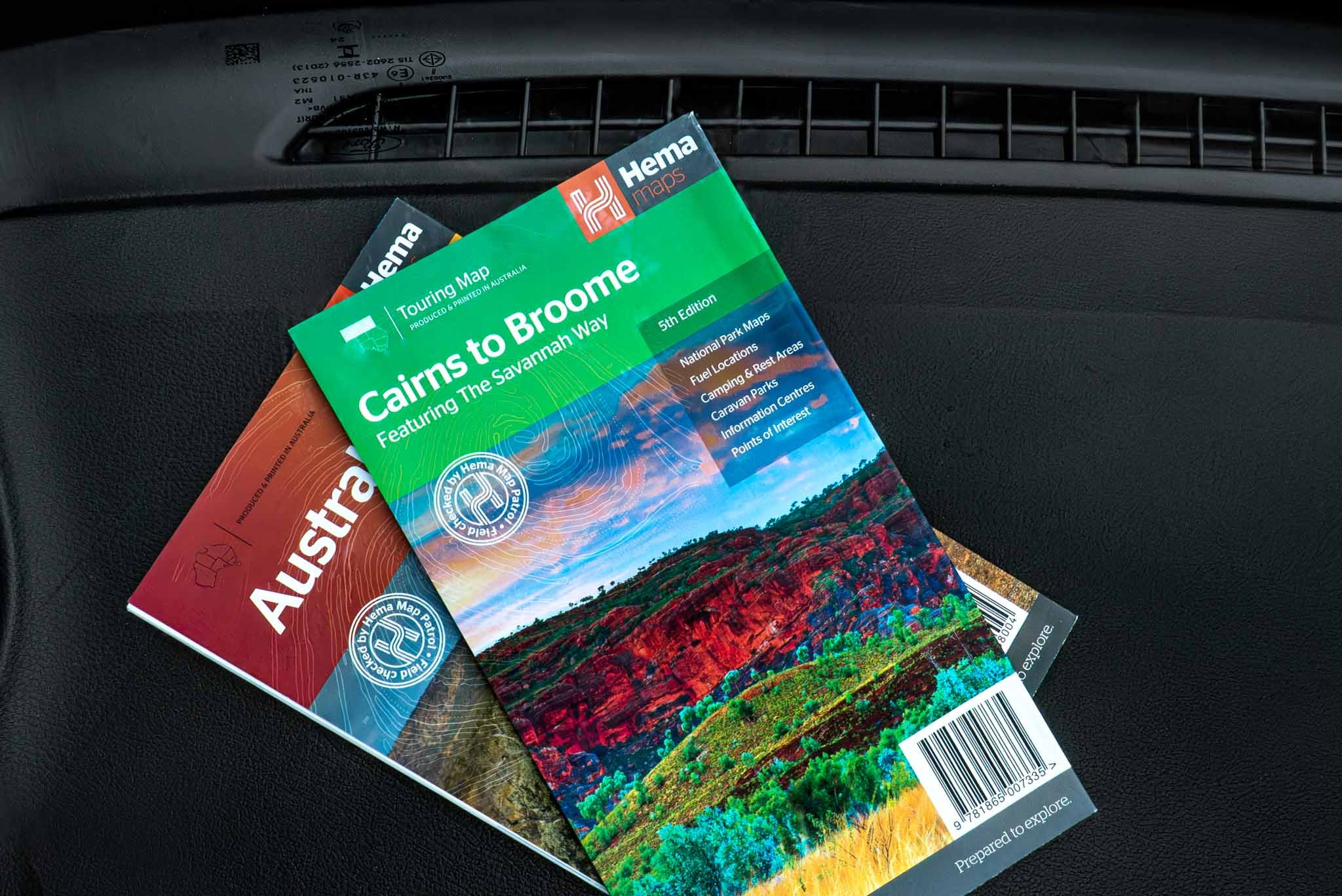
Even with a reliable GPS navigator, carrying quality paper maps is an important backup. A printed Hema map or atlas provides a clear overview of your route, surrounding roads and indicated fuel locations, helping you calculate distances and identify alternative stops if your planned route changes. Paper maps do not depend on power, mobile coverage or a working device, making them an essential backup when travelling beyond the reach of everyday services.