

Words Robert Crack, pics Supplied
Whether you’re cruising sealed roads or tackling bush tracks, courtesy goes a long way. Showing consideration for fellow travellers, their setups, and the landscapes you’re passing through keeps everyone’s journey enjoyable.

Camp in designated campgrounds (Currawinya National Park, Qld)
Welcome to the second part of our feature focuses on 4WD, caravanning, camping and environmental etiquette.
In the first part of 4WD, caravanning, camping and environmental etiquette, we covered taking care of the environment, reducing waste by packing smarter, buying local, repairing not replacing, toileting and rubbish disposal.
In this second part, we’re continuing with minimal-impact camping and driving, fuel conservation, track etiquette, rural communities, private property, national parks and protected areas.
Minimal-impact camping and driving
To reduce your footprint:
- Camp only where permitted
- Don’t clear new sites
- Bush camp well away from roads, tracks and facilities
- Use gas stoves where possible
- Use designated fire pits only and extinguish fires completely — use water, not sand or dirt
- If you find a smouldering fire pit, put it out
- Bring your own firewood where/when allowed
- Only collect firewood if permitted
- Dispose of grey water at approved dump points if required
Before entering sensitive areas:
- Check your vehicle for oil or fuel leaks
- Remove weeds and mud from tyres and undercarriage
Water is sacred in the bush. Never contaminate creeks or waterholes with soap, detergent, toothpaste or wastewater.
Conserve your fuel
One of the biggest impacts you can make is simply using less fuel.
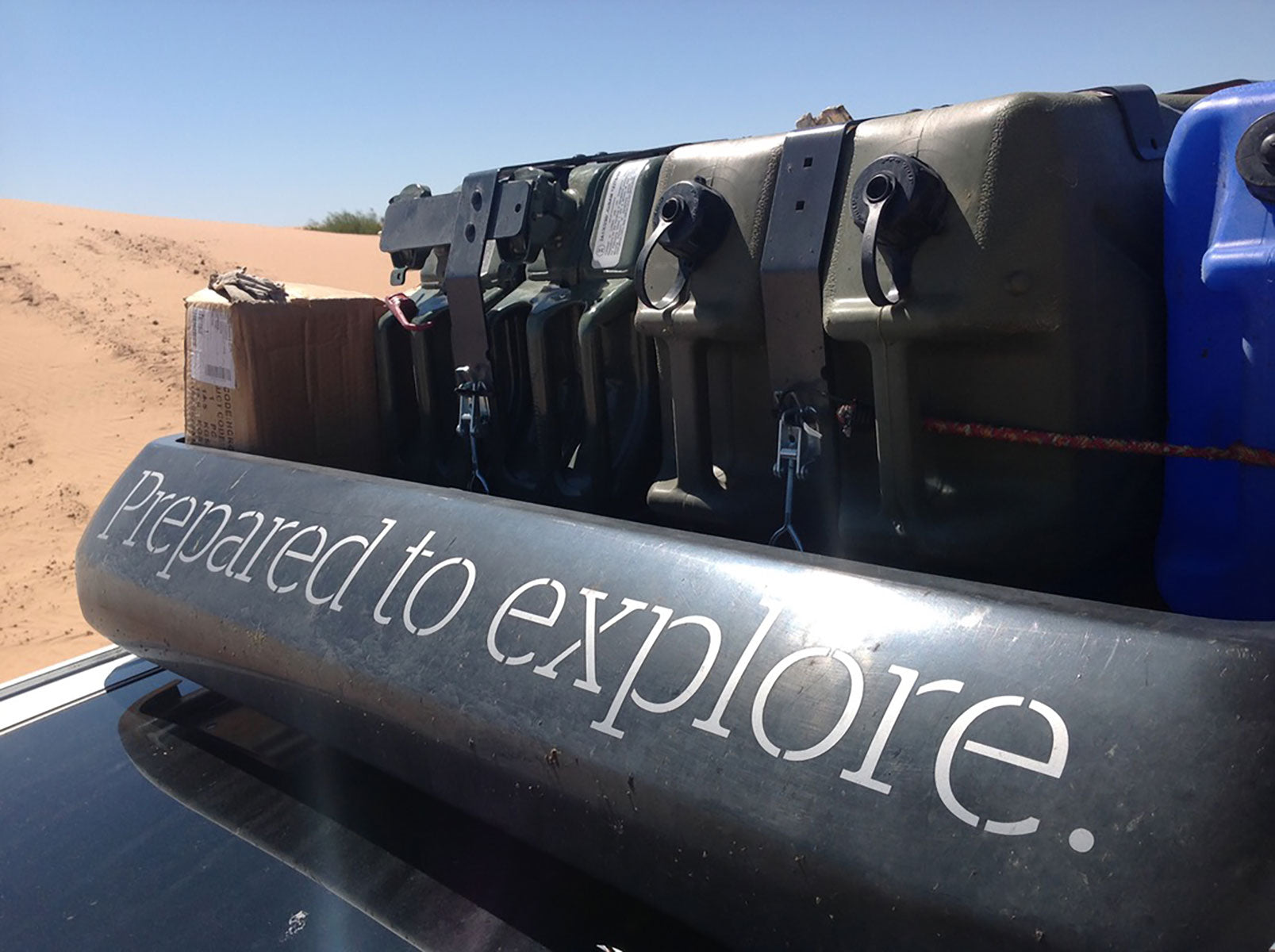
Slow down. Lighten your load. Remove roof gear you don’t need — wind drag costs fuel. Keep your vehicle well serviced and tyres inflated correctly.
Your rig will thank you. So will the bush.
And depending on where you’re travelling, fuel stations can be few and far between, so making the most of what you’ve got is essential.
Stay on formed tracks
Leaving established tracks is one of the fastest ways to damage the environment.
‘Bush bashing’ destroys vegetation, disrupts wildlife habitat, accelerates erosion and puts the whole 4WD community under the microscope. Even popular 4WD routes get closed when damage becomes irreversible.

(Credit: Getty Images / Nick Rains)
Good track etiquette means:
- Staying on formed tracks
- Use passing bays
- Avoiding bypasses around obstacles
- Turning back when conditions deteriorate
- Reverse if needed
- Not driving when tracks are wet or vulnerable
Hema Maps has GPS mapped more than 700,000km of tracks and 600,000km of unsealed roads throughout Australia; trust us when we say that Australia already has more marked 4WD routes than most people will ever explore.
There’s no need to create new ones.
And if you want to give back, join a local track care group and help repair what’s already been damaged.
Dirt roads and rural communities
Some dirt roads run directly past homesteads and communities.
- In dry conditions, slow down to reduce dust.
- In wet conditions, avoid dirt roads if possible — wheel ruts can cost thousands to repair and may close roads for months.
If you see a ROAD CLOSED sign, respect it. Closures exist for safety, weather damage, fire management or environmental recovery. Or sometimes a combination of them all. You may not see the problem yet, but it’s there. Fines can be severe and are often issued per wheel.

'ROAD CLOSED' means exactly that. Respect it. (Credit: Robert Crack)
For current conditions, local ABC radio is one of the most reliable sources of information.
Respect private property
Many outback roads pass through private land, particularly pastoral stations.
If you encounter a gate:
- Leave it exactly as you find it
- Open gate? Leave it open
- Closed gate? Close it behind you

(Credit: Getty Images / Simon McGill)
There is always a reason — stock control, safety, paddock rotation — even if it’s not obvious to you. This applies whether livestock are present or not. Ignoring gates damages trust, and once trust is lost, access is often locked permanently.
If camping on pastoral leases or near private land, always seek and secure permission beforehand. Empty or unfenced land does not always mean public land.
National parks and protected areas
Many 4WD routes pass through national parks or conservation areas, which often have stricter rules due to environmental sensitivity.
Always:
- Obey signage
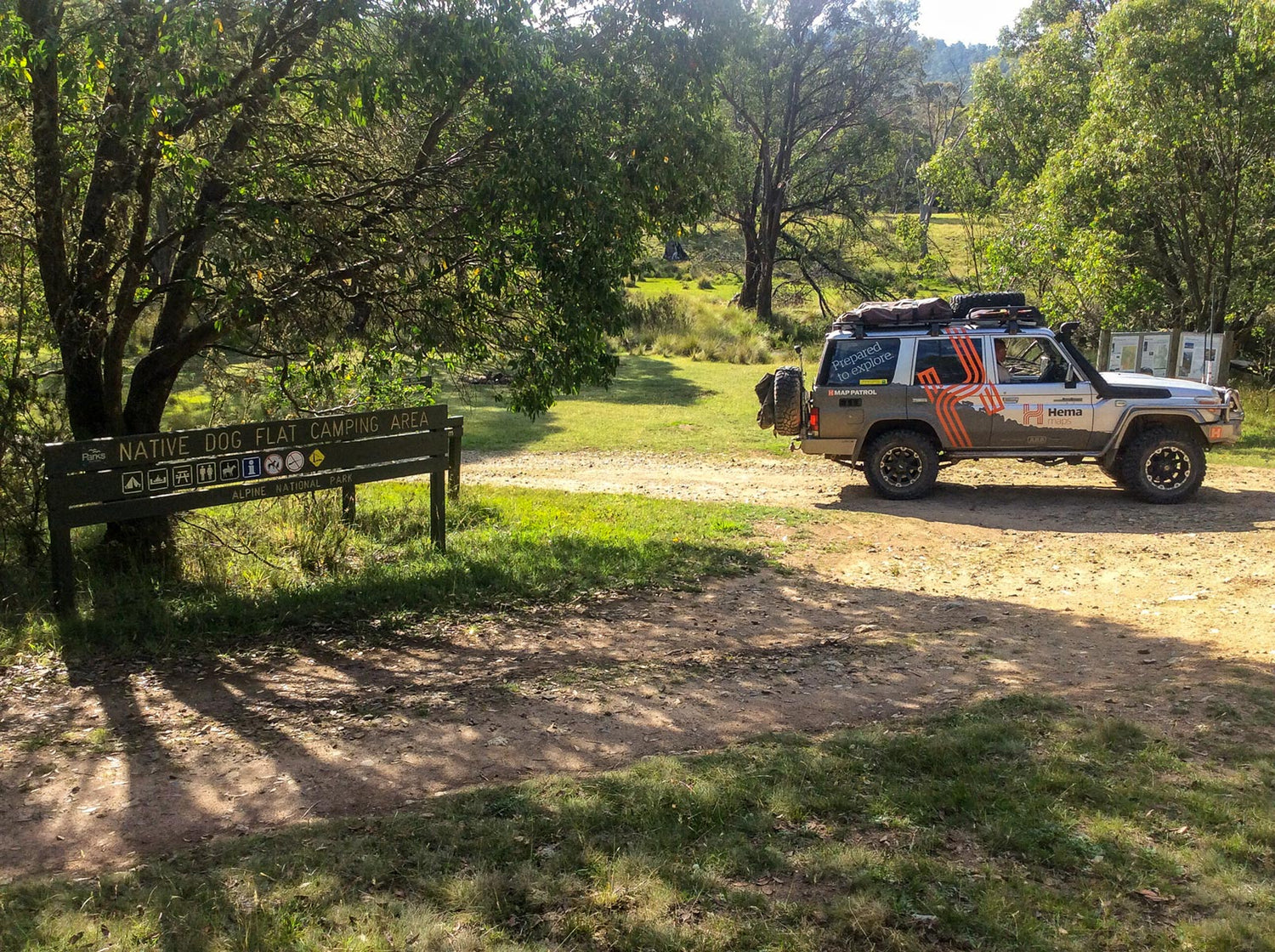
- Camp only in designated areas
- No pets means no pets. You and your pooch are not above the law
- Stay on marked tracks
- Observe fire restrictions
- Leave plants and animals undisturbed
- Pay required fees
Pets, firearms, generators and chainsaws are generally prohibited. Dogs may be allowed in some state forests, usually on a leash, but not in national parks.
Removing rocks, plants or flowers (including wildflowers) from protected areas is illegal. Never feed native animals — it harms them and often leads to dangerous outcomes.

(Credit: Getty Images / Simon McGill)
These places survive because people respect them.
Return for part three
4WD, caravanning, camping and environmental etiquette in the bush, on the beach and in the outback is something that we're passionate about, here at Hema Maps. And we're still not finished with it! Come back soon for part three, where we’ll cover more of the unwritten rules of the road, the offroad and at camp.
Related articles
4WD, caravanning, camping and environmental etiquette: Part one
State vs national parks — untangling the rules before you roll in
Sustainable Solutions for Self-sufficient Ethical Camping